







More Than Just Making Chips
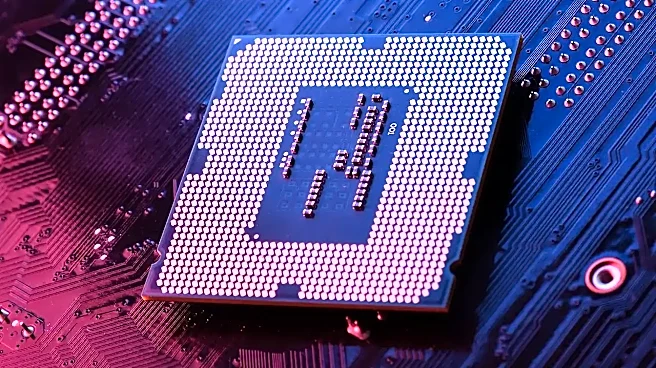
To understand Nvidia's success, you have to look past the individual graphics processing units (GPUs) that power the AI revolution. CEO Jensen Huang has architected what analysts call a "full stack" approach. This isn't just about designing the best chips;
it's about controlling the entire ecosystem. That includes the systems that link chips together, the high-speed networking that allows them to communicate, the proprietary CUDA software that developers are locked into, and even the AI models themselves. This strategy transforms Nvidia from a simple component supplier into an indispensable partner. By building this deep, interconnected platform, the company makes it incredibly difficult and costly for customers to even consider switching to a competitor.
The Art of the 'Frenemy' Ecosystem
At the heart of Nvidia’s supply strategy is a series of deep, personal, and decades-long relationships, particularly in Taiwan. Huang, who was born in Taiwan, has cultivated a level of trust with manufacturing partners like TSMC that goes beyond typical corporate dealings. This isn't just about goodwill; it translates into priority access for critical manufacturing processes. A key bottleneck in AI chip production is advanced packaging technology, like TSMC's Chip-on-Wafer-on-Substrate (CoWoS), which is essential for combining GPU and memory components into a single, powerful accelerator. Nvidia has reportedly secured the vast majority of TSMC's CoWoS capacity, effectively boxing out rivals who may have comparable chip designs but no way to get them manufactured at scale. Huang's philosophy is one of "vertical integration with horizontal openness": create an ecosystem so powerful that even competitors find it more beneficial to align with Nvidia than to fight it.
Putting Your Money Where the Supply Is
While rivals are scrambling for parts, Nvidia has taken a more aggressive stance: bankrolling its own supply chain. The company has dramatically increased its supply commitments, essentially pre-paying for future capacity. In a recent quarter, these commitments soared to $279 billion, a massive jump that serves as an insurance policy for suppliers. This gives partners like memory makers and fabricators the confidence to invest in new production lines, knowing Nvidia's demand is guaranteed. Huang himself has called this spending on procurement the "best investment," ensuring Nvidia is the largest and most important customer for Taiwan's entire AI supply chain. This strategy isn't without risk; if the AI boom were to bust, Nvidia would be left holding the bag. But for now, it ensures that while demand outstrips supply across the industry, Nvidia has first claim on the parts it needs to grow.
From Factory Floor to Bottom Line
This multi-pronged strategy is the engine behind Nvidia's astronomical earnings. By controlling the full stack, the company captures value at every step, leading to record-breaking profit margins. Securing the supply chain allows Nvidia to meet the ravenous demand from hyperscalers like Amazon and Google, as well as national governments and enterprise clients. Even though the company admits it is still supply-constrained and cannot meet all the demand, its strategic foresight allows it to confidently project massive year-over-year revenue growth. The company has become what one analyst called the "central bank" of the AI supply chain, a position that is incredibly difficult for any competitor to replicate because it’s built not just on technology, but on decades of relationships and massive financial commitments.