








The K Series: Making Wireless Mechanical Mainstream
Keychron’s story began by solving a problem many didn't realize could be solved: the lack of a great wireless mechanical keyboard for Mac users. In 2017, the founders were frustrated that the crisp, satisfying feel of mechanical switches was largely reserved
for Windows users and wired gaming setups. The K series, their initial breakout product line, changed that. They delivered reliable Bluetooth connectivity that could pair with multiple devices, a full set of Mac function keys, and a clean, minimalist aesthetic that looked at home in a creative studio or a corporate office. Before Keychron, getting a wireless mechanical keyboard often meant compromising on battery life, connectivity, or build quality. The K series proved you could have it all at a price point that didn't require a second mortgage, effectively creating a new default option for professionals who wanted to upgrade their typing experience without hassle.
The Q Series: Bringing Custom Features to the Masses
This is where Keychron went from being a popular brand to a market-defining force. The Q series took features that were once the exclusive domain of hardcore hobbyists—people who built their keyboards from scratch—and put them in an accessible, off-the-shelf product. The two biggest innovations here were 'hot-swappable' switches and QMK/VIA compatibility. Hot-swappable means you can change the mechanical switches under your keycaps without any soldering, like swapping out LEGO bricks. Suddenly, anyone could experiment with different typing feels. QMK/VIA is open-source firmware that allows for deep customization of every single key's function, a power previously reserved for programmers. By packaging these features in a premium, full-metal aluminum body at a sub-$200 price, the Q series made the 'custom' keyboard experience available to everyone.
Low-Profile Keyboards: The Perfect Gateway Drug
One of the biggest hurdles for people curious about mechanical keyboards is the height. Traditional mechanicals are chunky, which can be an ergonomic adjustment for those accustomed to the slim profile of a laptop or an Apple Magic Keyboard. Keychron identified this friction and addressed it with their low-profile lineup. Using slimmer switches and keycaps, these keyboards offer the tactile feedback of a mechanical board but in a much thinner, more portable package. For millions of people whose primary typing experience was on a laptop, these low-profile boards served as the perfect 'gateway drug,' introducing them to the benefits of mechanical switches without a steep learning curve or dramatic change in typing posture. It was a brilliant move that expanded the market beyond existing enthusiasts to include a whole new segment of curious professionals.
The Full Ecosystem: Lowering the Barrier to Entry
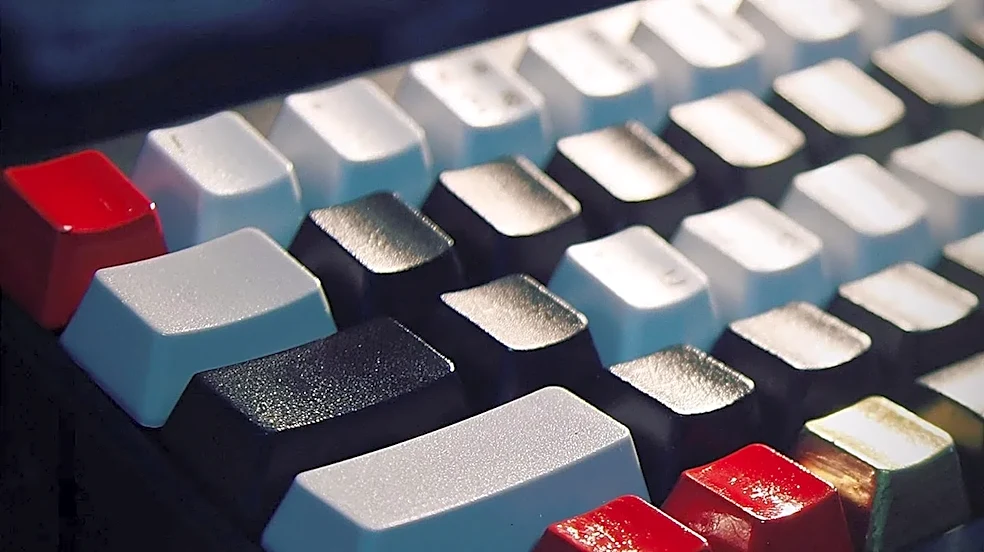
Perhaps Keychron's most underrated contribution was its decision to not just sell keyboards, but to build an entire ecosystem. Alongside their main products, they began offering separate sets of keycaps, a variety of switches from different manufacturers, wrist rests, and carrying cases. This had a profound effect. It took the intimidating, fragmented world of keyboard customization and made it simple and trustworthy. Instead of spending hours scouring obscure forums and international vendors for compatible parts, a newcomer could get everything they needed from one place. This transformed customization from a high-effort hobby into an easy-to-access form of personal expression. By controlling the ecosystem, Keychron ensured that the path from beginner to enthusiast was as smooth as possible, quietly schooling legacy brands on how to build a modern, community-focused hardware business.