






The End of a Decade-Long Pact
For 14 years, Apple and Intel were powerful allies. The 2006 switch from PowerPC processors to Intel chips fueled a golden age for the Mac, making the computers faster and capable of running Windows, which broadened their appeal. But by the late 2010s,
the partnership felt strained. Apple's ambitions for thinner, more power-efficient laptops were clashing with Intel's product roadmap, which was facing manufacturing delays and stagnating performance-per-watt gains. Apple, a company obsessed with controlling its own destiny, was dependent on a supplier that could no longer keep pace with its vision. The stage was set for another monumental shift, the third major processor transition in the Mac's history.
The Leap to In-House Silicon
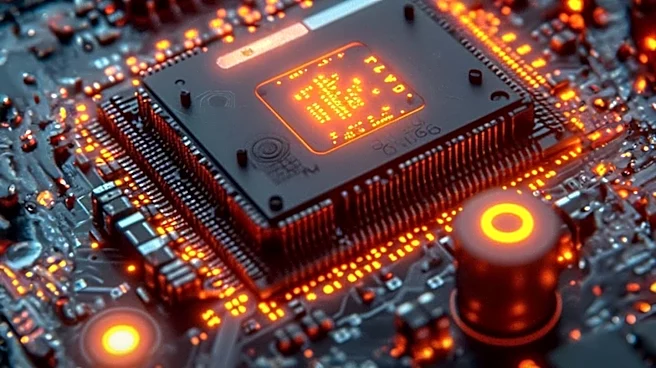
In June 2020, Apple CEO Tim Cook announced the Mac would begin a two-year transition to its own custom processors, dubbed Apple Silicon. This wasn't a sudden decision. Apple had spent a decade designing world-class A-series chips for the iPhone and iPad. That expertise gave it the confidence to design its own Mac chips based on the same power-efficient ARM architecture. The first of these, the M1 chip, debuted in November 2020. It was a massive gamble. Moving to a new chip architecture requires not just new hardware but also ensuring that all existing software runs seamlessly—a historically perilous task. But Apple had learned from its past transitions and developed a powerful translation software, Rosetta 2, that made the shift feel remarkably smooth for users.
Redefining Performance and Efficiency
The M1 chip didn't just work; it was a revolution overnight. Laptops featuring the new chip delivered a combination of raw speed and extraordinary battery life that the PC industry had never seen. The secret was Apple's system-on-a-chip (SoC) design, which integrates the CPU, GPU, memory, and other components into a single package. This tight integration allows for incredible efficiency and speed. Suddenly, a fanless MacBook Air could outperform more expensive, Intel-powered rivals on demanding tasks, all while lasting an entire day on a single charge. Apple had fundamentally changed the expectations for a personal computer by focusing on performance-per-watt, a metric where it now held an enormous lead.
The Industry Scrambles to Respond
The impact on the industry was immediate and seismic. Intel lost a high-profile customer and was publicly shown to be lagging in performance and efficiency, forcing it to accelerate its own product roadmap. PC manufacturers like Dell and HP, who had long relied on Intel, were now competing against MacBooks that were demonstrably better in key areas. This shockwave spurred new competition, pushing Microsoft to improve Windows on ARM and creating an opening for Qualcomm to more aggressively market its Snapdragon chips for laptops. Apple's move forced the entire industry to pivot from a singular focus on raw clock speed to a more holistic view of performance, efficiency, and integration.