






Beyond the Chatbot Arena
For the past few years, the tech world has been captivated by a title match: OpenAI’s ChatGPT versus Google’s Gemini, with a dozen other contenders entering the ring. The public narrative is a race to build the smartest, fastest, most capable large language
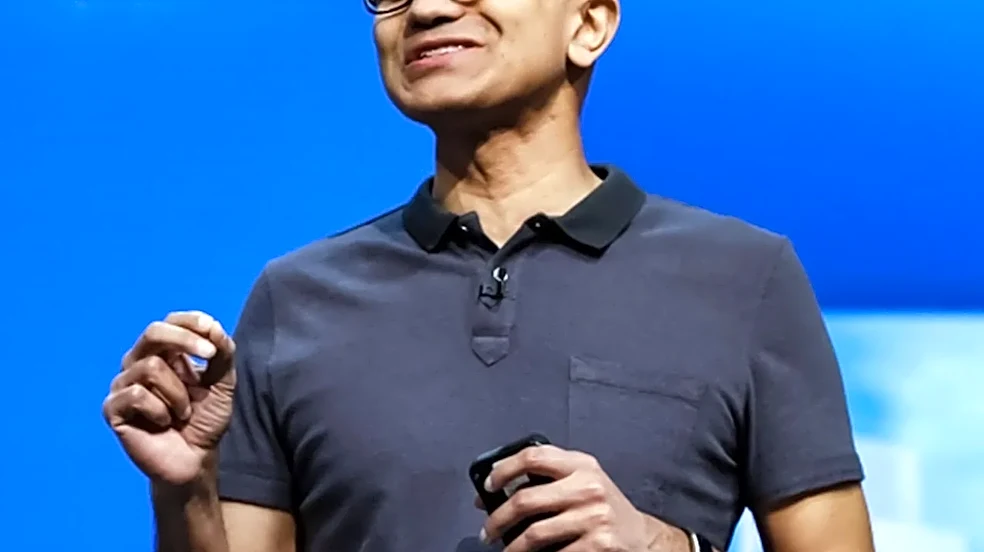
model. But Microsoft, OpenAI’s biggest partner, is quietly executing a strategy that sidesteps this one-on-one competition. Instead of betting everything on a single champion, it’s building the entire stadium. This is its model-agnostic approach: creating a platform, primarily through its Azure cloud and Microsoft Foundry, where developers and businesses can choose from a vast menu of AI models from different companies. In his annual letter, CEO Satya Nadella confirmed this direction, emphasizing a 'multimodel system' where the underlying framework is separate from the models themselves. This architecture allows customers to 'use the right model for the right job', making the system more resilient and cost-effective.
The 'Picks and Shovels' Play for the AI Gold Rush
It’s a classic business strategy, akin to selling picks and shovels during a gold rush. While prospectors (the AI model creators) take on the high risk and high reward of finding gold, the company selling the equipment profits no matter who strikes it rich. Microsoft's Azure AI platform is the digital equivalent. Its model catalog already offers access to models from OpenAI, Anthropic, Cohere, Meta, Mistral AI, DeepSeek, and many others. This gives customers immense flexibility. A company might use a powerful OpenAI model for complex creative writing, a cost-effective model from Mistral for simple data classification, and a specialized model for analyzing time-series data, all through a single Azure interface. This approach de-risks Microsoft’s AI future. If a new, groundbreaking model emerges tomorrow, Microsoft doesn’t see a threat; it sees a new product to add to its shelves. This makes its Azure platform an indispensable utility rather than just another competitor.
A Smart Hedge Against Hype Cycles and Lock-In
Tying your entire AI identity to a single proprietary model is a risky bet. Hype cycles are short, and today’s leader can become tomorrow’s laggard. Microsoft's model-agnosticism is a hedge against this volatility. As Satya Nadella has noted, this makes business models more resilient because the models become interchangeable. This strategy also directly addresses a major concern for enterprise customers: vendor lock-in. Businesses are wary of building their entire AI infrastructure on a single, proprietary model they can’t easily swap out. Microsoft's approach turns this fear into a selling point. By offering choice, it makes Azure a stickier, more attractive platform for developers who want to experiment and optimize. This is a key differentiator from competitors who might prioritize their own in-house models. While Google and AWS also offer third-party models, Microsoft's deep integration with its massive enterprise ecosystem—from Microsoft 365 and Teams to its data platform, Fabric—creates a powerful, unified experience.
Winning the Enterprise by Solving Real Problems
Ultimately, the long-term winners in AI will be those who best help businesses solve practical problems and deliver measurable returns. Nadella has recently focused on improving the 'cost-to-outcome frontier', ensuring that every dollar spent on AI generates real value. A multi-model strategy is central to this. It allows a company to fine-tune its spending by choosing the most efficient model for each task, rather than using an expensive, high-end model for everything. Furthermore, Microsoft is heavily investing in partnerships, like its multi-billion dollar deal to expand with French AI company Mistral, to bolster its infrastructure and offer sovereign cloud capabilities, which are critical for regulated industries in Europe. This focus on governance, security, and integration with existing business workflows is far less glamorous than releasing a new chatbot, but it’s what large enterprises actually need to deploy AI at scale. It’s a pragmatic, customer-focused strategy that positions Microsoft not just as a player in the AI game, but as the field on which it's played.