


The AI Shortcut You've Never Heard Of
So, what is transfer learning? At its core, it’s the simple but profound idea that knowledge gained from one task can be applied to a different, but related, task. Think about it like learning a new skill. If you already know how to play the guitar, learning the ukulele
is much easier. You don’t have to re-learn the basics of rhythm, chords, and strumming from scratch. You just transfer what you know and fine-tune it for the new instrument. Before transfer learning, AI models were mostly built from scratch for every single problem. This required enormous amounts of data, time, and computing power. Transfer learning changed the game by allowing developers to use a “pre-trained” model as a starting point. It’s a shortcut that makes building powerful AI not just possible, but practical.
From the Lab to Your Living Room
The concept of transfer learning has been around in academic circles since the 1990s, but it wasn't until the rise of deep learning and massive datasets that it truly took off. The turning point came with large-scale projects like ImageNet, a massive database of labeled images. Researchers trained huge models on this data to recognize thousands of objects. They soon discovered that the underlying knowledge—how to identify edges, textures, and shapes—could be reused for other image-related tasks. Instead of teaching a new model to identify rare birds from zero, they could take a model that already understood what dogs, cats, and cars looked like and simply adapt it. This dramatically reduced development time and costs, moving AI from a purely academic pursuit to a technology that could be deployed in real-world products.
Where You Already Use It Every Day
You might not know the term, but you're already benefiting from transfer learning. When your phone’s camera automatically identifies faces to focus on, it's often using a model pre-trained on millions of other images. When a language translation app converts Spanish to English, it’s leveraging a massive language model that has already learned the structure and nuance of countless texts. The powerful generative AI tools that write essays, create code, or produce art are prime examples. They are built on what are known as “foundation models”—enormous models pre-trained on a vast swath of the internet. Developers can then take this foundational knowledge and fine-tune it for specific applications, like creating a medical diagnostic tool or a legal document assistant, without needing to build a new brain from scratch each time.
The Engine of Modern AI
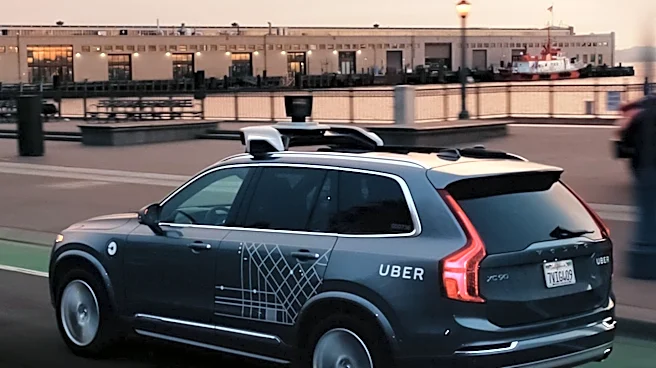
Transfer learning isn't just a clever trick; it is now a fundamental pillar of modern artificial intelligence. By allowing models to build on existing knowledge, it has democratized AI development. Small companies and individual developers can now create sophisticated applications that were once only within reach of a few tech giants with massive resources. It has accelerated progress in fields from medicine, where it helps analyze medical scans, to autonomous driving, where knowledge from simulations is transferred to real-world vehicles. This shift from isolated, single-task models to adaptable, multi-talented ones is the quiet revolution that has made AI so versatile and powerful today. It allows machines to learn more like we do: by building on the past to master the future.