







The AI Moment of 2026
This year's iPhone 18 keynote wasn't just about faster chips or better cameras. The entire presentation was built around what Apple is calling its new era of 'ambient intelligence.' It’s a complete overhaul of the operating system, with AI designed to
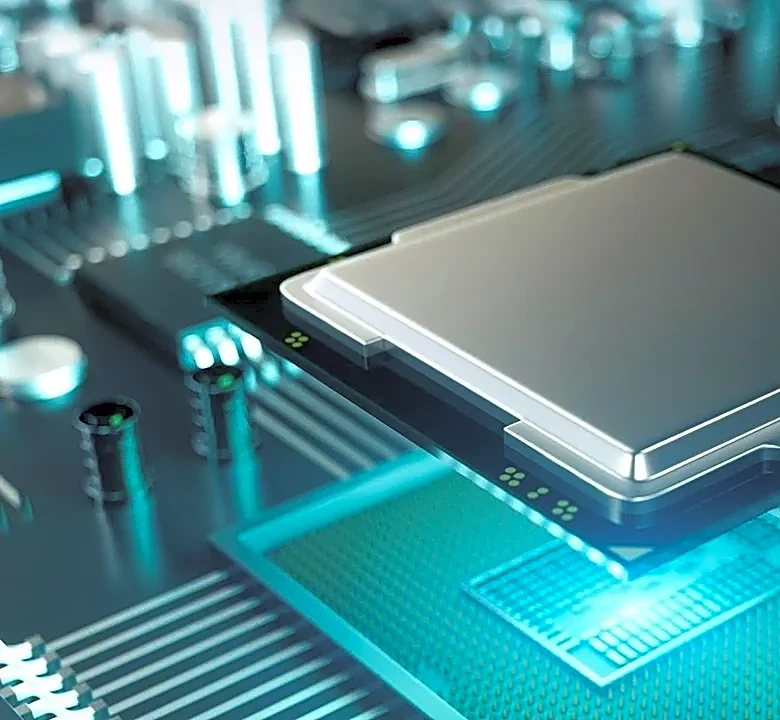
anticipate your needs, manage tasks across apps, and provide contextually aware suggestions without you even having to ask. It’s a system smart enough to draft a follow-up email after a meeting, summarize a flurry of group chat notifications into a single, actionable point, and even visually identify objects through the camera to link them with information in your notes or calendar. This isn’t an app you open; it's an intelligence layer woven into the fabric of the phone, powered by an advanced A20 chip and, in a major strategic shift, a partnership with external AI models for more complex queries. It’s Apple’s boldest software play in years, an attempt to redefine our relationship with our primary device.
A Ghost from Launches Past
This all feels strangely familiar. Rewind to October 2011. Apple, reeling from the recent passing of its visionary co-founder Steve Jobs, launched the iPhone 4S. The phone itself was an iterative update, but it contained one revolutionary feature: Siri. It was billed as a humble personal assistant that could get things done just by asking. Steve Jobs had personally driven the acquisition of the Siri startup in 2010, seeing a future where users wouldn’t have to “tap and type all the time anymore.” The launch presentation was dazzling, showing Siri understanding natural language and context. For the first time, a mainstream tech product promised a conversational interface, a true digital assistant you could talk to. It was a sensation and felt like a glimpse of the future.
The Promise, and the Stumble
The reality of Siri, however, never quite lived up to that initial demo. While groundbreaking, it was buggy and limited. Users quickly discovered it required stiff commands, struggled with accents, and often defaulted to a simple web search. The servers struggled to keep up with the massive demand from millions of new iPhone 4S users, leading to frequent outages. For years, as competitors like Amazon's Alexa and Google Assistant raced ahead with more flexible, cloud-based intelligence, Siri became a punchline—a reliable tool for setting timers, but not the paradigm-shifting assistant Apple had promised. The company chose to stick with Siri’s original, aging architecture rather than rebuild it from the ground up, causing it to fall behind.
Why This Time Is Different (Maybe)
So, is the iPhone 18’s AI moment just another overhyped promise? There are reasons to believe this time is different. The entire tech landscape has been transformed by the rise of generative AI and large language models (LLMs). Apple, after a period of seeming inaction, has spent the last few years aggressively hiring AI talent and restructuring its strategy. Instead of trying to build everything in-house, it has partnered with leading AI model providers to power its new system, a significant admission of its earlier shortcomings. Furthermore, Apple's core strategy now revolves around on-device processing and its “Private Cloud Compute” infrastructure, which aims to provide powerful AI features without sacrificing the user privacy that has become its key brand differentiator. The iPhone 18’s ambient intelligence isn’t just a bolt-on feature like the original Siri; it's a foundational redesign built for a world where powerful AI is table stakes.