






Beyond the iPhone: What Is Apple Services?
For years, Apple was the company that sold you a sleek device in a white box. Today, it’s increasingly the company that sells you a subscription. The Services division is a sprawling and fast-growing collection of digital offerings that generate recurring
revenue long after a product is sold. This includes everything from the 15% to 30% commission Apple takes on App Store sales to your monthly iCloud+ storage plan. It also covers Apple Music, Apple TV+, Apple Pay, and advertising revenue. One of its most lucrative, yet least discussed, components is the multi-billion-dollar payment Google makes annually to remain the default search engine in Safari. For its most recent quarter, analysts expected Services revenue to land around $31.4 billion, continuing a trend of strong double-digit growth. This steady expansion has made it a reliable pillar of growth, even when hardware sales fluctuate.
The Math Behind the Margin Engine
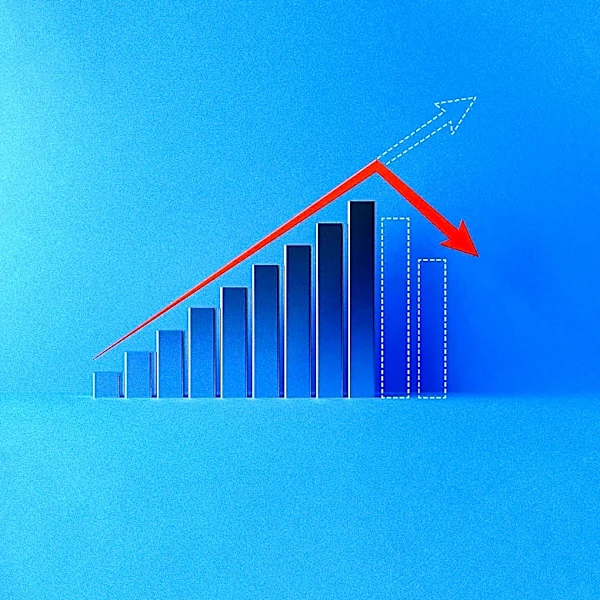
The phrase “margin engine” gets to the heart of why Wall Street is so captivated by this story. The profitability of Services absolutely dwarfs that of hardware. For fiscal year 2025, Apple's Services business posted a gross margin of over 75%, while its Products segment (iPhones, Macs, iPads) came in around 37%. In simpler terms, for every dollar of Services revenue, about 75 cents is gross profit. For every dollar of hardware revenue, that figure is only 37 cents. This powerful dynamic means that as Services becomes a larger part of Apple's overall revenue mix, it disproportionately lifts the company's total profitability. This mix shift is the entire thesis; Services accounted for about 26% of revenue in 2025 but generated over 40% of Apple's total gross profit. This engine is what allows Apple to post record profits even if iPhone unit growth starts to slow.
The Bull vs. Bear Debate
This is where the investor debate heats up. The bull case is straightforward: Apple has an installed base of over 2.5 billion active devices, an incredibly loyal customer base that it can continuously sell high-margin, recurring subscriptions to. As this revenue stream grows, it makes Apple's earnings more stable, predictable, and less dependent on massive, hit-driven product launches. Some analysts see this as the key driver that will sustain the company's growth and premium valuation for years to come. The bear case, however, points to significant risks. This hugely profitable business is under intense regulatory scrutiny globally. Antitrust lawsuits in the U.S. and new laws like the EU's Digital Markets Act are directly targeting App Store commissions, which could erode this key profit center. Another concern is rising costs for components like memory, which could pressure hardware margins and force Apple to rely even more heavily on Services to maintain overall profitability. Some analysts are cautious, noting these pressures could cap the stock's potential upside.
The Future Is Recurring
As Apple navigates these challenges, its direction is clear. The company is focused on growing its subscriber base and finding new ways to monetize its massive ecosystem. The recent rollout of "Apple Intelligence" is a prime example. Instead of building out hugely expensive AI data centers like its rivals, Apple is expected to monetize AI features through its Services line—a path that offers far higher margins. While strong iPhone sales can still drive massive profit growth in any given quarter, the long-term structural shift is undeniable. The debate over whether hardware or services is more important misses the point; the two are deeply intertwined. The hardware creates the captive audience, and the services generate the high-margin, recurring profit from that audience. For investors, the question is no longer just about how many iPhones Apple sold last quarter, but how effectively it's turning those iPhone users into lifelong subscribers.