





It started as a simple idea: a doorbell that connects to your phone. Yet, this humble device did more than just show you who was at the door. It quietly ignited a revolution, changing the very definition of consumer hardware and its business model.
More Than Just a Chime
Before
companies like Ring (originally Doorbot) and Nest came along in the early 2010s, consumer hardware was mostly a one-and-done transaction. You bought a gadget, you took it home, and the relationship with the company ended there. The first video doorbells changed this by adding a camera and an internet connection. Suddenly, a centuries-old invention wasn't just a button; it was a proactive security device. It offered peace of mind by letting you see and speak to visitors from anywhere. This shift from a passive object to an active service was the first hint that something bigger was happening. The product was no longer just the physical item, but the ongoing sense of security it provided.
The Subscription Masterstroke
The real genius, however, wasn't just in the hardware. It was in the business model that followed. Companies quickly realized that the initial sale was just the beginning. To save video clips, get smarter alerts with features like facial recognition, or see a longer history of events, you needed a subscription. Services like Ring Protect and Nest Aware turned a one-time purchase into a steady, predictable stream of recurring revenue. This model, common in software, was a game-changer for hardware. It made the devices themselves more accessible—sometimes sold at a lower upfront cost—because the real long-term value was in the monthly fees. This subscription-first approach is now a core strategy for countless connected devices, from home fitness equipment to smart thermostats.
The Ecosystem Gateway Drug
Once a company had its device on your front door, it had a powerful foothold. The doorbell became the anchor for an entire ecosystem of connected products. If you liked your Ring doorbell, why not add Ring security cameras, an alarm system, or smart lighting? The same applied to Google's Nest, which expanded from thermostats and doorbells to a full suite of smart home devices. This strategy transforms a customer from someone who bought one product into a loyalist locked into a single brand. Everything works together seamlessly within one app, making it less likely you'll switch to a competitor. The doorbell wasn't just a product; it was a gateway, pulling customers deeper into a walled garden of technology.
Redefining the 'Smart' Device
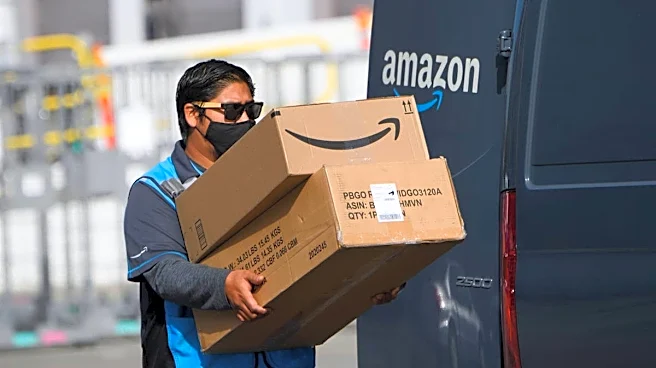
The massive success of smart doorbells sent a clear message to the rest of the tech industry: the future of hardware is software and services. Amazon's acquisition of Ring for over $1 billion in 2018 wasn't just about selling more doorbells; it was a strategic move to dominate the smart home and strengthen its Alexa ecosystem. The purchase validated the idea that a device's true power lies in its connection to a larger platform. This has fundamentally altered consumer expectations. We now expect our gadgets to get better over time with software updates, to integrate with voice assistants, and to be part of a larger, interconnected experience. The doorbell proved that a piece of hardware could be a living product, evolving and offering more value long after it leaves the box.