








Go Straight to the Cloud
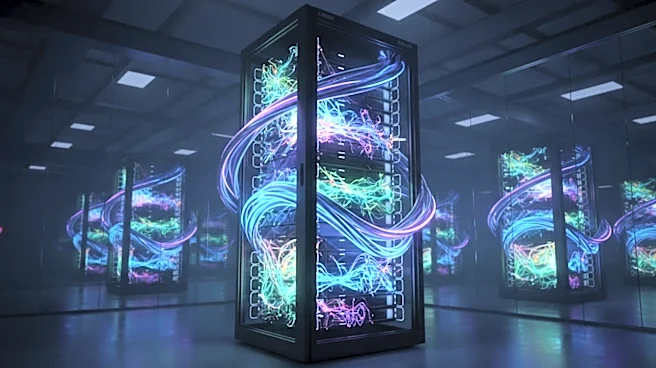
The main stage for Google’s AI performance is Google Cloud. While the company's legacy ad business still provides the bulk of its revenue, the cloud division is where the AI growth story is most visible and measurable. Last quarter’s results were a major
indicator: Google Cloud revenue hit a record $20 billion, a 63% year-over-year jump driven by intense demand for AI tools like Gemini Enterprise. Before declaring victory, check if this torrid growth is sustainable. Look for the Google Cloud backlog, which represents future contracts. In the first quarter of 2026, this figure exploded to over $460 billion, nearly doubling in a single quarter and signaling massive long-term enterprise commitments. The key question for the upcoming report is whether this momentum is continuing. Another quarter of similar backlog growth would suggest Google is successfully locking in large enterprise customers for its AI platform. Anything less could be a sign that the initial AI investment frenzy is cooling.
Scrutinize the Core Ad Business
For years, Google's advertising empire seemed untouchable. AI introduces both an opportunity and a threat. On one hand, AI can make ads more targeted and effective, potentially boosting revenue. On the other, new features like AI Overviews in Search, which provide direct answers to queries, could reduce the number of clicks on paid links. Evidence suggests this is already happening, with some studies from 2025 showing that the presence of AI Overviews can significantly decrease the click-through rate on paid ads. When Google reports, listen for any commentary on the monetization of these AI-driven search experiences. The company has been testing ads within its AI Mode, but the effectiveness and profitability of these new formats are still an open question. While overall search revenue continues to grow, it's crucial to understand if AI is enhancing the core business or subtly cannibalizing the cash cow that funds everything else.
Follow the Money: The Staggering Cost of AI
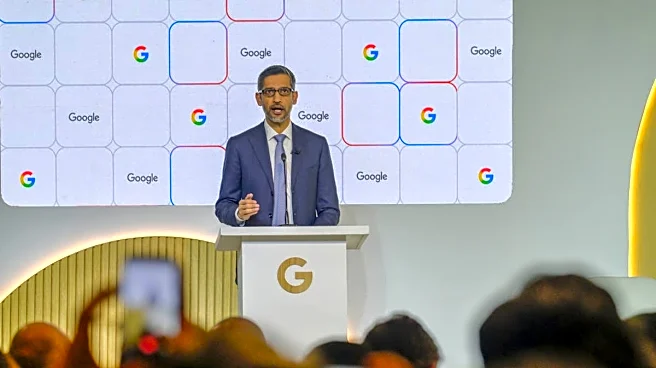
Make no mistake: building the future of AI is incredibly expensive. The AI competition has become an infrastructure arms race, and Google is spending at an astonishing rate. For 2026, the company has guided its capital expenditures (capex)—the money spent on physical assets like data centers and servers—to a range of $180 billion to $190 billion. This figure is roughly double what it spent in 2025. This massive investment is a bet that the future returns from AI will justify the upfront costs. CEO Sundar Pichai has argued this spending is necessary because Google is currently capacity-constrained, meaning it can't build infrastructure fast enough to meet customer demand. While this is a good problem to have, it’s a problem nonetheless. The key metric to watch here is the relationship between capex and free cash flow. If spending continues to balloon without a corresponding rise in revenue and, eventually, profit from services like Google Cloud, investor patience will wear thin. The question is whether this spending is a bridge to future dominance or a money pit.
Listen for the Qualitative Clues
Beyond the numbers, the earnings call itself provides invaluable insight. The way executives discuss AI can be just as revealing as any metric. Are they speaking in specific, confident terms with concrete customer examples and measurable results? Or are they relying on vague, aspirational language and AI buzzwords? Strong reports are filled with details. For example, in its Q1 report, Google noted an 800 percent year-over-year increase in enterprise AI solutions sales and a 40 percent quarterly jump in paid Gemini Enterprise customers. Those are the kinds of specific data points that signal real traction. Vague statements about “strong interest” or “exploring opportunities” without data to back them up are a red flag. The tone of the Q&A session with analysts is also telling. If analysts are asking pointed questions about AI monetization or costs and receiving evasive answers, it could suggest that the internal story isn't as rosy as the prepared remarks.