








Surprise 1: Your House Still Needs 'Pre-Cleaning'
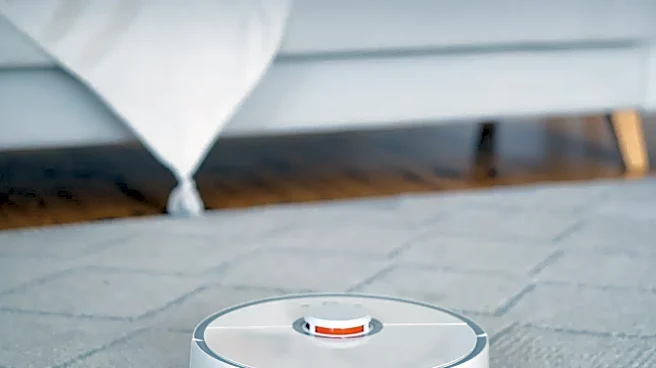
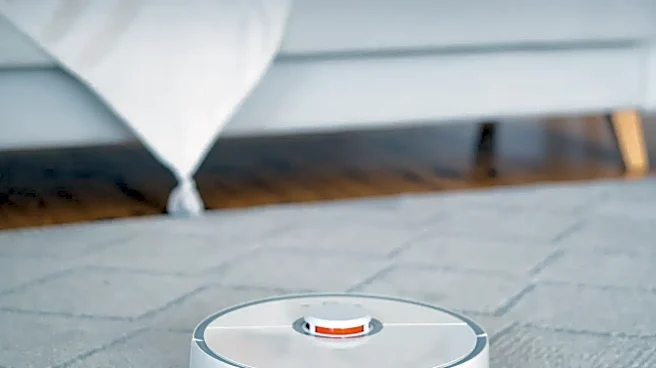
The first surprise for many is that you can't just press 'go' on a cluttered floor. Robot vacuums, even high-end models, can be defeated by common household items. Charging cables, stray socks, shoelaces, and kids' toys are notorious for causing tangles
and stopping a cleaning cycle cold. This means new owners quickly learn to do a 'pre-clean' sweep, picking up small obstacles before the robot begins its work. While advanced AI-powered object recognition is improving, most models still require a relatively clear path to function effectively. This prep work isn't a deal-breaker, but it's a far cry from the completely hands-off automation many envision.
Surprise 2: They Don't Eliminate Your 'Real' Vacuum
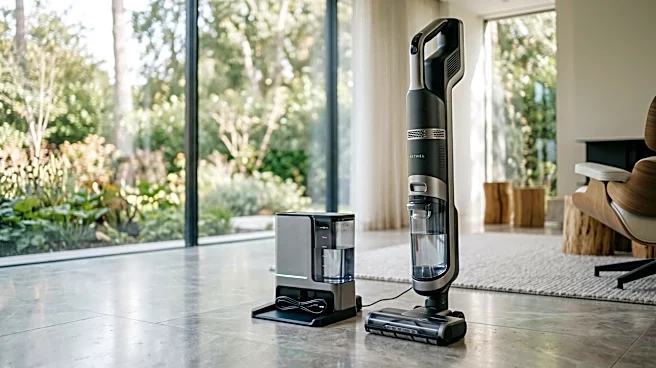
A robot vacuum is best understood as a maintenance tool, not a full replacement for a traditional vacuum. They excel at keeping dust, crumbs, and pet hair under control on a daily basis. However, they simply can't do everything. They can't clean stairs, vacuum your sofa, or get into every single tight corner. Most owners find they still need an upright or stick vacuum for deep cleaning carpets, handling big spills, and reaching all the places the robot can't. The robot significantly reduces the frequency of manual vacuuming, but it doesn't make your old Hoover obsolete.
Surprise 3: The 'Intelligence' Gap Is Huge and Costs Money
Buying guides quickly reveal that not all robots are created equal. The biggest differentiator is navigation technology. Cheaper, entry-level models often use a 'bump and run' method, randomly changing direction when they hit an obstacle. This can lead to missed spots and inefficient cleaning. In contrast, premium models use sophisticated LiDAR (laser navigation) or camera-based systems (vSLAM) to create detailed maps of your home. These smarter robots clean in neat, methodical lines, can be sent to specific rooms or 'no-go' zones via an app, and reliably find their way back to their charging docks. This leap in intelligence and performance comes with a significant price jump, a key surprise for those starting their search with a budget model in mind.
Surprise 4: Maintenance Is More Than Just Emptying the Bin
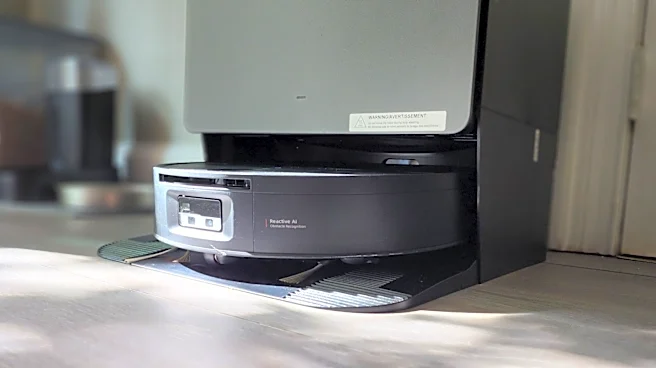
The belief that a robot vacuum is a 'set it and forget it' device is perhaps the biggest myth of all. While self-emptying bases are a fantastic innovation that reduces daily chores, the robot itself requires regular upkeep. Hair and threads inevitably get tangled in the main roller brush and side brushes, requiring manual removal to maintain performance. The filters need to be tapped out or washed weekly and replaced every few months to ensure strong suction. Furthermore, the various sensors that guide the robot must be wiped clean periodically to prevent navigation errors. It's not overwhelming, but it's a maintenance routine that many first-time users don't anticipate.
Surprise 5: Not All 'Mopping' Is Created Equal
Many modern robot vacuums also offer a mopping function, which sounds like the ultimate two-for-one deal. However, buying guides highlight a vast difference in capability. Basic models often feature a simple, damp pad that passively wipes the floor, which is only suitable for light dust removal. More advanced—and expensive—systems feature vibrating or rotating mop pads, automatic water refills, and even self-cleaning and drying functions at the dock. These high-end systems can tackle more stubborn grime, but the entry-level versions are often a disappointment for users expecting a true scrub. Understanding the difference between a passive 'wet wipe' and an active 'mopping system' is a critical, and often surprising, part of the buying journey.