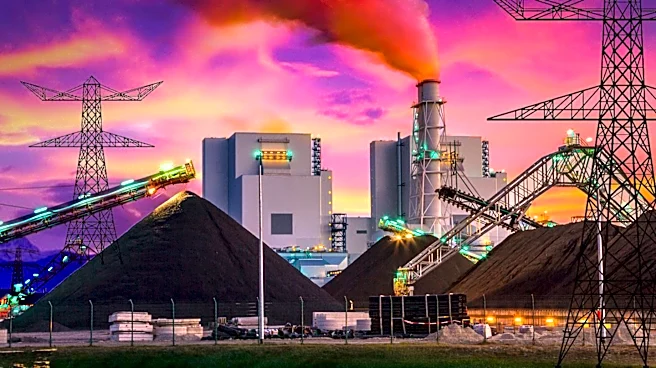







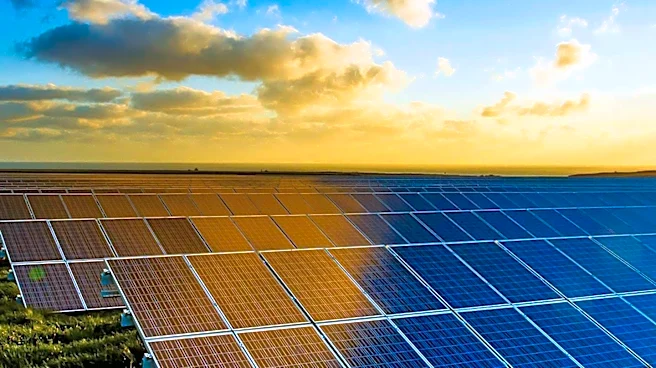
The debate around Bitcoin's energy use is famously heated, often comparing its consumption to that of entire countries. But this popular framing misses a crucial, hidden detail: it’s not just about how much energy, but what kind and from where.
The Argument Everyone Knows
Let's start
with the basics. Bitcoin runs on a system called "proof-of-work," a consensus mechanism that requires computers, known as miners, to solve complex mathematical puzzles. This process validates transactions and secures the network. The catch is that it requires immense computational power, which in turn consumes a significant amount of electricity. Critics rightfully point out that the global Bitcoin network's annual energy consumption is comparable to that of mid-sized nations like Poland or Argentina. This has led to headlines decrying Bitcoin as an environmental disaster, a narrative that is simple, alarming, and easy to understand. While the total consumption figure is a real and important metric, it’s only the beginning of the story and far from the most interesting part.
Why Location Is Everything
Bitcoin mining is a business of razor-thin margins. The primary operational cost for any miner is electricity. To be profitable, miners must relentlessly hunt for the cheapest power on the planet. This economic imperative means they cannot afford to compete with residential or commercial customers for electricity in major cities; the prices are simply too high. Instead, this global search for cheap energy leads them to the fringes of the world's power grids. They are drawn to locations where there is a surplus of power that has no other buyers. This simple economic reality is the key that unlocks the so-called "hidden detail" in the energy debate. The most valuable power for a Bitcoin miner is power that no one else wants or can even access.
The Stranded Energy Solution
This brings us to the core of the issue: stranded energy. Stranded energy is power that is generated but cannot be used or transported due to geographic isolation or a lack of grid infrastructure. A classic example is natural gas flared at remote oil wells. Drilling for oil often brings up associated gas that, without a nearby pipeline, is simply burned off, wasting the energy and releasing emissions. Bitcoin miners have developed a novel solution: they can bring their operations directly to the source. By setting up mobile data centers in shipping containers at these oil fields, they can convert the flared gas into electricity on-site to power their mining rigs. This turns a wasted resource into economic value, and studies show it can reduce the CO2-equivalent emissions from flaring by over 60% because the gas is combusted more efficiently in a generator than in an open flare. This same logic applies to renewable energy sources, like hydroelectric dams in remote regions or wind farms that produce more power at night than the grid can handle.
From Problem to Grid Partner?
Beyond just using wasted energy, there's a growing argument that Bitcoin miners can function as a powerful tool for stabilizing modern power grids. The biggest challenge for renewable energy sources like wind and solar is intermittency—the sun doesn't always shine and the wind doesn't always blow. This creates periods of energy surplus and scarcity that grid operators struggle to manage. Bitcoin miners offer a unique solution as a "flexible load." Because their operations can be turned on or off in seconds with no negative side effects, they can act as a buyer of last resort. When renewables are overproducing, miners can absorb the excess power. When public demand spikes during a heatwave, they can instantly shut down, freeing up that capacity for homes and businesses. This demand response capability helps balance the grid, prevent waste, and make renewable energy projects more financially viable by providing them with a consistent customer.