






In the high-stakes world of cybersecurity, the analyst is your frontline soldier. Yet many organizations are recruiting for a battle that's already over, misreading the very skills that separate a good analyst from a great one.
Myth: It’s All About Elite Technical Skills
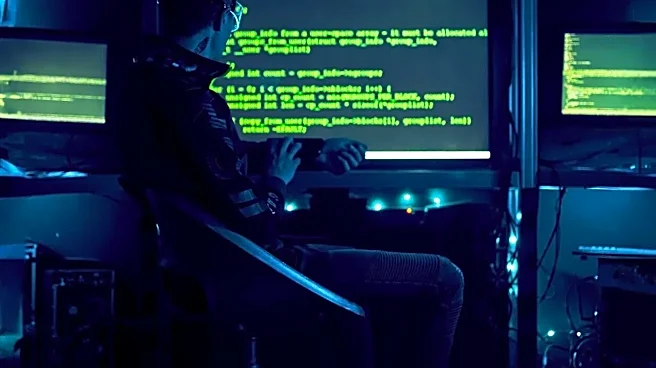
The common image of a security
analyst is a lone genius hunched over a terminal, deciphering complex code. While technical prowess is essential, it's only half the story. The modern Security Operations Center (SOC) is flooded with thousands of alerts daily, and the rise of AI is automating much of the initial, repetitive triage. This shifts the analyst's value from pure technical execution to higher-order thinking. The most effective analysts today are not necessarily the ones with the deepest knowledge of every single tool, but those who excel at pattern recognition, investigative thinking, and understanding the business context behind an alert. They know which anomalies matter because they understand what's normal for the business. This focus on analytical thinking over a laundry list of tool proficiencies is a critical distinction many hiring processes miss.
Reality: Communication Is the Killer App
One of the most consistently underrated skills in cybersecurity is clear communication. An analyst who can uncover a sophisticated threat is valuable; one who can explain that threat to the legal team, the C-suite, and the engineering department in language they each understand is a force multiplier. The job is no longer confined to the SOC. Analysts must collaborate with IT to patch systems, advise leadership on risk, write clear incident reports, and train employees. In a crisis, their ability to convey complex information calmly and concisely can be the difference between a managed incident and a catastrophe. Teams that hire for communication skills alongside technical ones build a more resilient and integrated security posture.
Myth: The Best Analysts Are Reactive Problem-Solvers
Historically, the analyst's job was to react. An alert comes in, they investigate, and they close the ticket. This model is rapidly becoming obsolete. With AI and automation handling a huge volume of routine alerts, the role is shifting from reactive firefighter to proactive threat hunter. The best analysts are now expected to be curious and creative. They don't just wait for alarms; they actively search for indicators of compromise, analyze adversary tactics, and hunt for threats that automated systems might miss. This requires a different mindset—one of skepticism, persistence, and a desire to understand the 'why' behind the data, not just the 'what'.
Reality: They Are Becoming Strategic Advisors
As automation elevates the analyst's work, their role is becoming more strategic. Instead of just following playbooks, they are helping to write them, refining detection rules, and validating the decisions made by AI systems. They are the human intelligence layer that supervises and improves the automated defense. This requires an understanding of risk management, business priorities, and the broader threat landscape. An analyst who understands which business assets are most critical can better prioritize threats. One who can analyze trends can help the organization anticipate future attacks. Hiring managers should look for candidates who show an aptitude for strategic thinking, not just operational task completion.