




The Cautionary Tale Everyone Knows
In the early 2000s, Friendster was the undisputed king of social media. Launched in 2002, it predated MySpace and Facebook, quickly amassing millions of users and even turning down a $30 million buyout offer from Google in 2003. To many, this decision
became a classic Silicon Valley blunder. The site was plagued by technical problems; pages loaded at a glacial pace, frustrating its American user base. As users fled to faster, more dynamic platforms, Friendster became a punchline in the U.S., a symbol of squandered potential and a lesson for future tech giants.
A Second Life in Southeast Asia
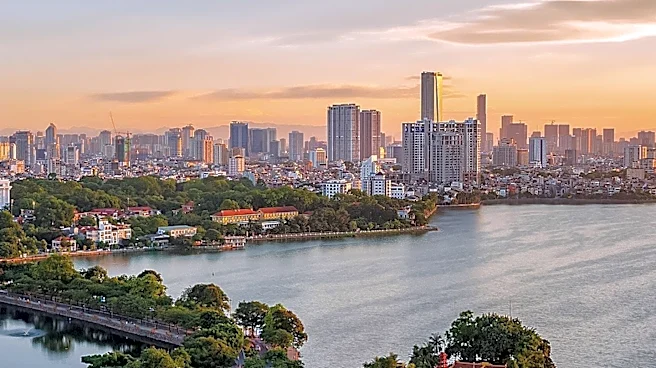
While Friendster was dying in America, it was exploding across the Pacific. By 2008, over 90% of the site's traffic was coming from Asia, with the Philippines, Indonesia, and Malaysia leading the charge. It became the most visited website in several of these countries. This happened partly by accident. Early Asian-American adopters invited friends and family back home, creating a network effect that its competitors couldn't immediately replicate. The site's technical slowness was less of a deterrent; for millions, Friendster wasn't just a novelty, it was their very first experience with online social life, deeply embedding it into the culture.
The Real Moat: A Gateway to Gamers
This is the part Wall Street missed. The value wasn't in the social network itself, but in its massive, concentrated, and engaged user base. In 2009, a Malaysian payments company called MOL Global acquired Friendster for around $26.4 million. MOL's CEO, Ganesh Kumar Bangah, saw what others didn't: Friendster's 115 million users, mostly young Asians, were the perfect audience for the booming social gaming market. MOL quickly pivoted Friendster away from social networking and relaunched it in 2011 as a social gaming platform. For a time, it was a huge success, becoming a top online gaming destination in the region by connecting MOL's payment systems with a ready-made community eager for digital entertainment.
The Other Asset: A Patent Treasure Chest
Friendster's other hidden asset was its intellectual property. As one of the first social networks, it had filed for and received foundational patents covering the very idea of connecting users based on their relationships in an online system. These patents were incredibly valuable. In 2010, just months after MOL Global bought the entire company, it sold Friendster's patent portfolio to Facebook for a reported $40 million. In a stunning move, the patents alone were sold for more than the entire company had been acquired for, proving that even in its decline, Friendster's pioneering work held immense strategic value.
Why Wall Street Looked Away
The 'Friendster failed' narrative was simply too powerful in the West. U.S. investors and media had moved on, focusing their attention on the dramatic rise of Facebook. Friendster's second act was happening in markets that, at the time, were not the primary focus of Silicon Valley. Because its new parent company was a private Malaysian entity and its new business model was centered on regional gaming, the pivot went largely unnoticed by the financial press that had chronicled its American downfall. They missed the story because they weren't looking in the right place.