





The AI Arms Race is Expensive
First, let's get one thing straight: Apple is playing the AI game very differently than its rivals. While companies like Google, Microsoft, and Meta are spending astronomical sums—projected to be in the hundreds of billions for 2026—on building massive
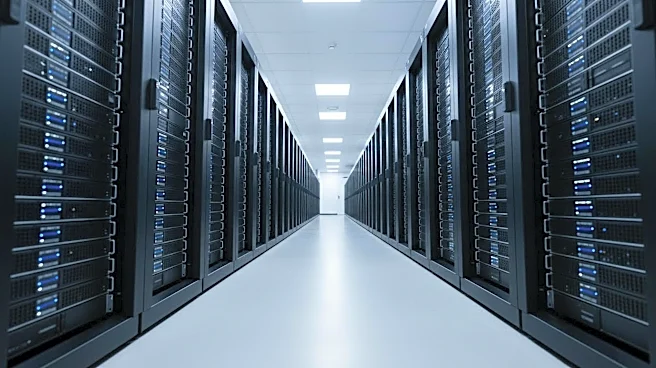
AI data center empires, Apple’s capital expenditure is comparatively modest, forecasted at around $14 billion. This has made Wall Street happy, rewarding Apple for its financial restraint. However, even at this scale, building out the necessary infrastructure is a massive and costly undertaking. This isn't just about buying more computers; it's a fundamental investment in a new kind of computing that comes with a hefty price tag for servers, energy, and specialized silicon.
Meet Private Cloud Compute
The heart of Apple's strategy is a hybrid model. Simpler AI tasks happen directly on your device, which is efficient and private. But for more complex queries, your request is sent to Apple's Private Cloud Compute (PCC). This is a new, purpose-built network of servers designed to handle AI tasks with the same privacy focus Apple is known for. User data is not stored, and even Apple can't see it. But building and maintaining this privacy-centric cloud isn't cheap. It represents a significant line item on the balance sheet, a direct cost incurred every time a user’s query is too complex for their iPhone to handle alone.
The Price of Partnership
Apple also knows it can't do everything alone. Its highest-profile partnership is with OpenAI, integrating ChatGPT to handle certain queries that even its own models can't. Interestingly, reports suggest no money is changing hands directly; Apple believes giving OpenAI access to its massive user base is payment enough. However, there's a cost here, too. For OpenAI, every query from an Apple user adds to their own computing expenses. For Apple, relying on an outside partner introduces complexity and potentially opens the door to future revenue-sharing agreements that could eat into its high-margin Services division. It's also partnered with Google to use its Gemini model to power parts of the new Siri, a deal reportedly worth around $1 billion annually.
A Strategic Hit to Margins
All these factors—infrastructure buildout, running Private Cloud Compute, and managing partnerships—add up. For a company famously protective of its profit margins, this is a major strategic shift. While hardware sales have traditionally boasted impressive margins, the Services division has been even more profitable. Adding the immense, ongoing cost of AI compute threatens to squeeze those margins. Analysts are already pointing to rising memory and component costs, driven by the AI boom, as a source of pressure. The cost of Apple Intelligence won't show up on a customer's receipt, but it will be visible in Apple's earnings reports for years to come. It’s a calculated expense, betting that a short-term hit to profitability is worth the long-term strategic advantage of keeping its 2-billion-plus users locked into the Apple ecosystem.