








The Ephemeral Revolution
When Snapchat launched in 2011, the internet was built on permanence. Facebook and other platforms encouraged users to build a permanent, public archive of their lives. Snapchat’s core idea—messages that disappear—was a radical departure. This wasn’t
just a privacy gimmick; it was a psychological breakthrough. By making communication temporary, like a real-life conversation, Snapchat removed the pressure of curating a perfect online identity. It fostered a more authentic, spontaneous, and “in the moment” form of interaction, proving that not every digital memory needed to last forever. This simple shift away from the digital timeline created a new paradigm for online communication, one focused on transient, low-pressure connection.
Inventing the 'Story'
If ephemeral messaging was the spark, the “Story” feature was the explosion. Introduced in 2013, Stories allowed users to stitch together a narrative of their day, with each photo or video clip available for just 24 hours. This format was a stroke of genius. It was more personal than a single post but less demanding than a permanent blog. It perfectly blended the urgency of live broadcasting with the casualness of a daily diary. The format was so powerful and intuitive that it was famously copied by nearly every major competitor, including Instagram, Facebook, and WhatsApp. This widespread adoption stands as the most undeniable proof of Snapchat's influence; it designed a new language for digital storytelling that the entire industry was forced to learn.
The Camera Is the New Keyboard
While rivals saw the camera as a feature to be opened within an app, CEO Evan Spiegel saw it as the entire operating system. This “camera-first” philosophy is perhaps Snapchat’s most profound contribution to computing. Instead of opening an app to a feed of text and links, Snapchat opens directly to the camera, encouraging users to create rather than just consume. This vision was supercharged by the introduction of augmented reality (AR) Lenses. Suddenly, the camera wasn't just for capturing reality; it was for augmenting it. These playful AR filters, from dog ears to elaborate 3D creations, were more than just fun. They familiarized hundreds of millions of people with AR, turning a niche technology into a mainstream form of entertainment and self-expression. This move laid the groundwork for a future where digital information is overlaid onto the real world.
The Long Game: Beyond the Phone
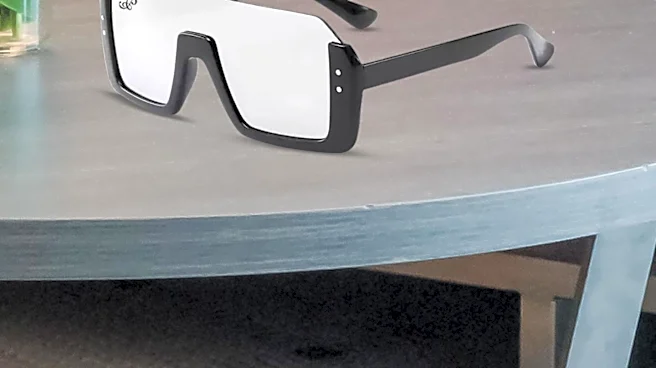
Snap’s ambitions were never confined to the smartphone screen. The company’s rebrand to Snap Inc. and its venture into hardware with Spectacles sunglasses signaled a deeper vision. While early versions were treated more like a quirky gadget, they represented a crucial step in the company's long-term strategy: to move computing from a screen in your hand to glasses on your face. Spiegel has consistently argued that technology should enhance our connection to the real world, not distract from it. By building AR glasses, Snap is making a bet that the next phase of computing will be more integrated with our physical lives. While the market for consumer AR glasses is still in its infancy, Snap has spent over a decade building the software, culture, and user habits to lead it.