





The Tyranny of the Black Mirror
For the last two decades, the smartphone has been the center of our digital universe. It’s an incredible tool, but it comes at a cost. Our relationship with technology is defined by interruption. We stop conversations to glance at notifications, pause
our walks to consult a map, and hold a device between ourselves and the world to capture a memory. This constant context-switching is clunky and unnatural. The default posture of the digital age has become head-down, with our attention focused on a screen rather than the moment in front of us. Technology is supposed to make life easier, but we’ve traded presence for productivity, tethering ourselves to devices that demand our focus.
A New Vision for Computing
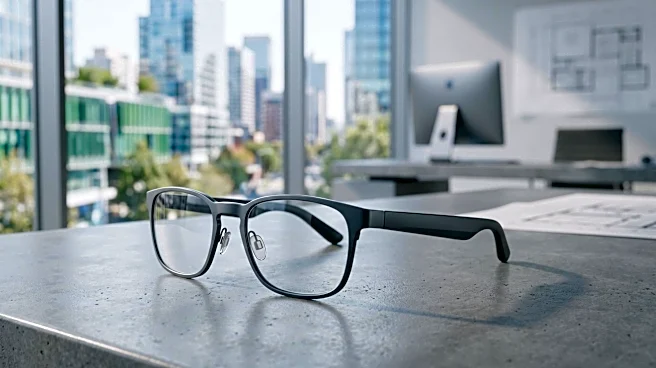
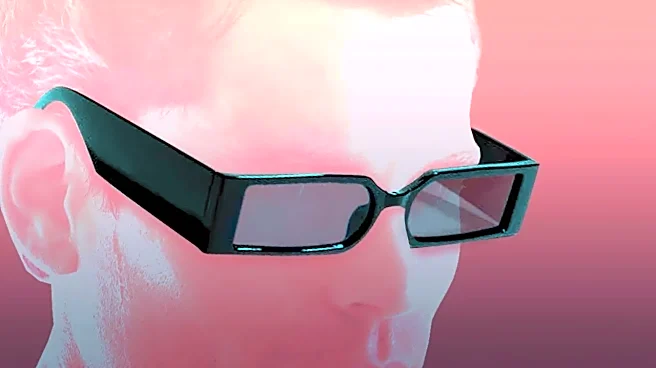
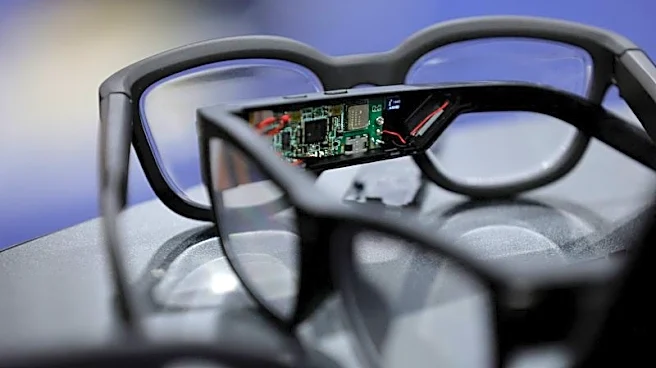
AI glasses represent a fundamental shift away from this model. The goal isn’t to put a computer on your face, but to weave computing into the fabric of your reality so seamlessly that it almost disappears. This concept is often called “ambient computing,” where technology anticipates needs and provides information without constant commands. Instead of you having to pull out a phone and actively search for information, an AI assistant provides it proactively and discreetly. Using a combination of tiny cameras, sophisticated microphone arrays, and small projectors, these glasses can see what you see and hear what you say, allowing the AI to understand your context in real time.
What 'Natural' Actually Means
When we say AI glasses could feel more “natural,” we’re talking about interaction that mirrors how humans actually operate. The primary interface is your voice—no more fumbling with keyboards. You can simply ask a question or give a command while your hands remain free. Information appears as a subtle heads-up display (HUD) in your line of sight, there when you need it and gone when you don’t. Imagine asking for directions and seeing a faint arrow appear on the sidewalk ahead of you, or having a foreign language translated into captions that hover in your vision. This is technology that adapts to you, not the other way around. It reduces the mental effort of switching between the digital and physical worlds, letting you stay in the flow of your life.
From Searching to Seeing
The practical applications are what make this vision compelling. A tourist in a new city could look at a historic building and have the AI whisper its history in their ear. A home cook with messy hands could follow a recipe projected step-by-step into their view without touching a screen. For users with visual or hearing impairments, these glasses can offer life-changing accessibility, describing the world aloud or providing live captions for conversations. The camera becomes a tool for understanding, not just capturing. Instead of taking a picture of a plant to identify it later, you simply look at it and ask, “What is this?” The AI provides the answer instantly, turning the entire world into a searchable database.
The Hurdles on the Horizon
Of course, this future isn’t here just yet. Significant challenges remain. Battery life is a major obstacle; powering processors, displays, and sensors all day in a lightweight frame is incredibly difficult. Then there’s the issue of social acceptance. The ghost of the first-generation Google Glass and its “Glasshole” reputation still lingers, and privacy concerns about always-on cameras are very real. For AI glasses to become mainstream, they must be not only powerful but also stylish, comfortable, and socially unobtrusive. Companies will need to build robust privacy frameworks to earn public trust, proving that the device serves the user, not a data-hungry corporation.