





The Unquestioned King of Keys
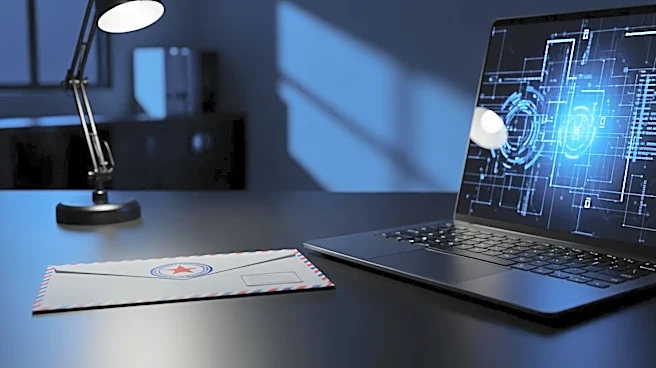
First, a quick refresher. RSA (named for its inventors Rivest, Shamir, and Adleman) is a type of public-key cryptography that has been the backbone of internet security since the 1970s. Think of it like a mailbox with two keys. One key (the public key)
can lock the box, and anyone can have it. The other key (the private key) is the only one that can unlock it, and you keep it secret. This system allows for secure communication over insecure networks, and it's worked brilliantly. Its strength lies in a simple mathematical reality: it’s incredibly difficult for current computers to find the two large prime numbers that were multiplied together to create the public key. This difficulty is the lock. For nearly fifty years, RSA has been the reliable, battle-tested standard that virtually the entire digital world is built upon.
The Quantum Storm on the Horizon
The core of the disagreement isn't about RSA’s performance today; it's about a threat that is still largely theoretical but getting closer every year: quantum computing. Unlike a classical computer that uses bits (0s or 1s), a quantum computer uses qubits, which can exist in multiple states at once. This property would allow a sufficiently powerful quantum computer to run an algorithm (specifically, Shor's algorithm) that can factor large numbers with shocking speed. In other words, it could pick the lock on RSA encryption almost instantly. If that happens, every piece of data secured by RSA—from government secrets to your credit card number—becomes vulnerable. This isn't science fiction; it's a widely accepted eventuality, a 'Q-Day' that the security world is racing to prepare for. The only question is when it will arrive.
Camp One: The Pragmatists and Proven Systems
One group of senior engineers argues for a cautious, measured approach. Their position isn't based on denial of the quantum threat, but on pragmatism. First, they argue that a large-scale, crypto-breaking quantum computer is still years, if not a decade or more, away. Why rush to replace a system that is universally understood, implemented, and trusted with something new and unproven? The new 'post-quantum cryptography' (PQC) algorithms are complex and haven't been subjected to decades of real-world attacks like RSA has. A rushed migration could introduce new, unforeseen vulnerabilities. Furthermore, the sheer scale of replacing RSA is staggering. It's embedded in millions of devices, software libraries, and hardware components. A global transition would be colossally expensive, complex, and risky. This camp’s mantra is essentially: 'Prepare for the future, but don't break the present.'
Camp Two: The Proactive Futurists
On the other side are the engineers who believe the transition needs to happen now. Their primary concern is the 'harvest now, decrypt later' attack. Hostile actors are likely already capturing and storing vast amounts of encrypted data today. They can't read it now, but they're betting they'll be able to once a quantum computer is available. For data that needs to remain secret for decades—like national security intelligence, corporate trade secrets, or personal health records—the danger is immediate. By the time Q-Day arrives, it will be too late for that data. This group also points to the long development and deployment cycles in technology. If we wait until the threat is imminent, we won't have enough time to transition safely. They advocate for starting the painful migration to PQC standards, which are now being finalized by bodies like the U.S. National Institute of Standards and Technology (NIST), as soon as possible. Their view is that the risk of waiting is far greater than the risk of moving early.