









The Accidental Revolutionaries
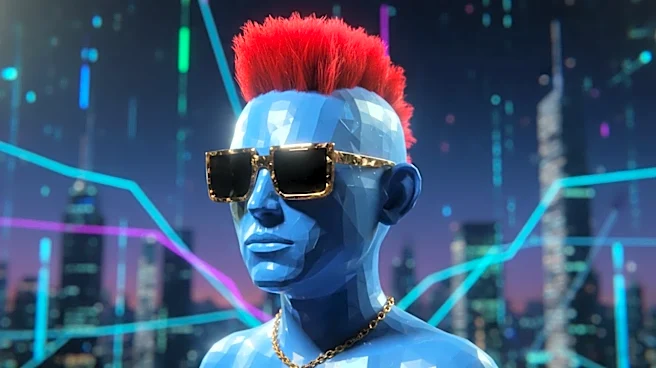
To understand CryptoPunks, you have to go back to 2017, a prehistoric era in crypto years. Two software developers from a small studio called Larva Labs, Matt Hall and John Watkinson, were experimenting with a character generator. The result was 10,000
unique, 24x24 pixel portraits, each with a distinct combination of algorithmically assigned traits. Inspired by the London punk scene and cyberpunk culture, they had a rebellious, anti-establishment feel. Here’s the crucial part: they released them for free. Anyone with an Ethereum wallet could claim one just by paying the transaction fee. This wasn't a cash grab; it was an experiment questioning what digital ownership could mean. They launched before the term "NFT" was common and even helped inspire the technical standard (ERC-721) that would later define most non-fungible tokens.
The Power of Digital Provenance
The real magic of CryptoPunks lies in their unchangeable history recorded on the Ethereum blockchain. This is what experts call provenance—a record of ownership for a work of art. While anyone can right-click and save a JPEG of a Punk, only one person can provably own the original token. This created a new form of digital scarcity. Their early, almost accidental creation gives them a historical significance that can't be replicated. They are not just an NFT project; they are one of the very first, a sort of digital artifact from the dawn of a new technological movement. This is why collectors often compare them to a rookie card of a legendary athlete or the first edition of a classic novel—their value is inextricably linked to their origin story.
A Community Forged in Scarcity
Initially, the project was met with "deafening silence," with only a few hundred claimed in the first week. Then, a Mashable article brought attention to the project, and all 9,000 publicly available Punks were snapped up within 24 hours. This created a small, dedicated group of early believers. Owning a Punk became a status symbol within the crypto community, used as a profile picture to signal one's early involvement and belief in the space. This community aspect provides a cultural floor to their value that newer, more speculative projects lack. It’s not just about flipping for profit; it’s about identity. This sense of belonging and cultural cachet is a powerful force that helps stabilize value even when the broader market is in turmoil.
Surviving the Boom and Bust
When the NFT market exploded in 2021, CryptoPunks were thrust into the mainstream, with sales at major auction houses like Christie's and Sotheby's legitimizing them as fine art. Individual Punks, especially rare Alien or Ape types, sold for millions of dollars. But when the bubble burst and the "crypto winter" set in, the market was decimated, with many NFT collections losing over 90% of their value. While CryptoPunks were not immune to the downturn, their prices didn't collapse to zero. They maintained a relatively high floor price, a testament to their "blue-chip" status. A key moment came in March 2022, when Yuga Labs, the creators of the hugely successful Bored Ape Yacht Club, acquired the CryptoPunks IP from Larva Labs. This corporate consolidation was a massive vote of confidence, signaling that the most influential players in the space viewed Punks as a foundational, long-term asset.