







The Coup: Getting Fired From His Own Company
In 2008, Jack Dorsey was pushed out of his role as Twitter's CEO. The company he co-founded was plagued by frequent crashes, and the board had lost faith in his leadership. Reports from the time paint a picture of a brilliant product visionary who struggled
as a manager. His interests were split; he was known for leaving the office for yoga and fashion design classes, leading co-founder Evan Williams to tell him, "You can either be a dressmaker or the CEO of Twitter, but you can't be both." Williams took over as CEO, and Dorsey was relegated to the role of a silent chairman. For most founders, this is the end of the story. But Dorsey didn’t just fade away. He used his time in exile to build a second empire, founding the payments company Square in 2009. Square’s success not only made him a billionaire but also proved he could run a large, complex organization. This external validation was his ultimate leverage. When Twitter stumbled again in 2015 under a different CEO, the board, desperate for a turnaround, turned back to its founder. Dorsey returned, not as a prodigal son, but as a proven leader with another successful public company under his belt.
The Activist Attack: A Billion-Dollar Fight for Control
Dorsey's second act at Twitter faced its most significant threat in 2020. Elliott Management, a notorious activist hedge fund, took a roughly $1 billion stake in the company with a clear goal: oust Dorsey as CEO. Their argument was simple and potent: no one should be the CEO of two major public companies simultaneously. At the time, Dorsey was splitting his duties between Twitter and Square, and had even announced plans to spend several months working from Africa, raising concerns about his focus. Elliott nominated four directors to Twitter's board, preparing for a proxy war to seize control. Most CEOs buckle under this kind of pressure. Dorsey, however, played a masterful defensive game. He secured a crucial deal with private equity firm Silver Lake, which invested $1 billion in Twitter, shoring up his position. The agreement resulted in a truce: Dorsey remained CEO, while representatives from both Elliott and Silver Lake joined the board. He didn't just survive the attack; he turned his adversaries into partners, buying himself time to prove his strategy could work. A year later, with Twitter's stock price soaring, Elliott effectively signaled its satisfaction and planned its exit from the board.
The Tightrope Walk: Navigating Political Firestorms
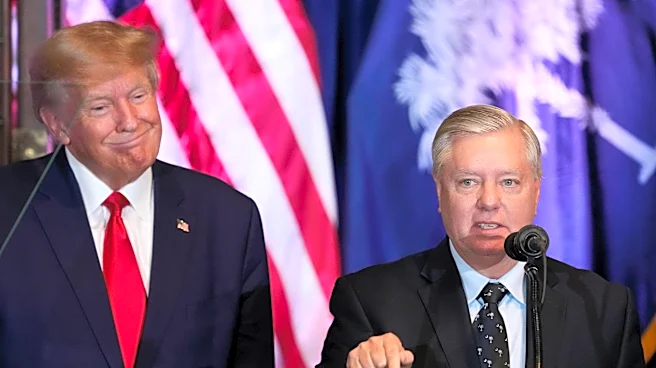
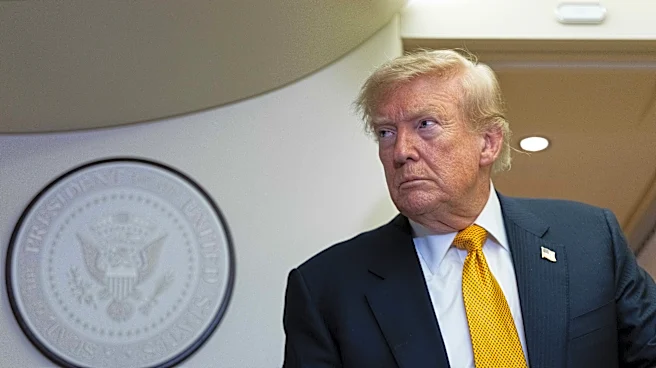
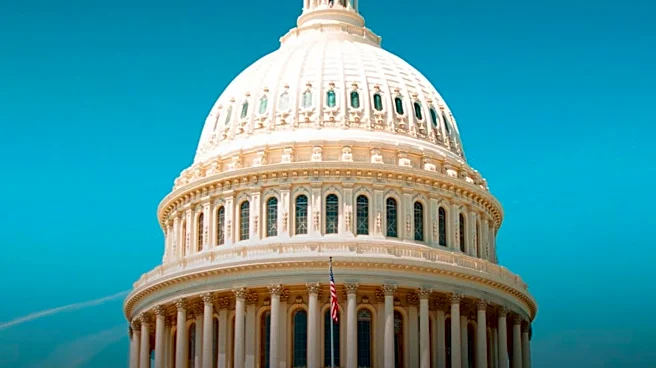
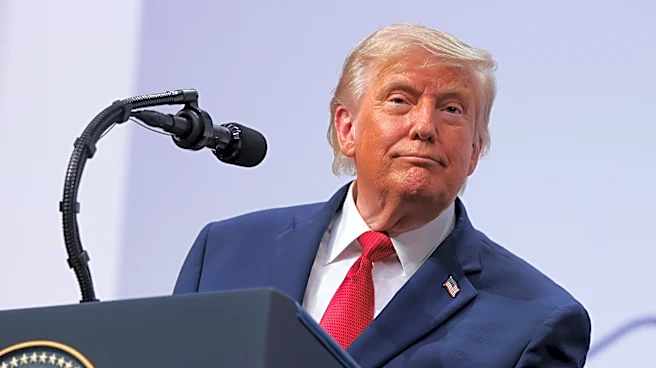
The final threat wasn't a rival or an investor, but an impossible situation. As Twitter became the de facto public square for global politics, Dorsey found himself at the epicenter of a political hurricane. Throughout the Trump presidency and beyond, he faced immense pressure from all sides over content moderation. Lawmakers on the right accused him of anti-conservative bias and censorship, while those on the left criticized him for not acting quickly enough to remove misinformation and hate speech. Every decision—from banning political ads to adding warning labels to tweets and ultimately banning a sitting U.S. president—sparked furious backlash. Dorsey had to testify before Congress multiple times, defending the platform's policies while admitting its own internal biases. Surviving this required a delicate and often thankless balancing act. He navigated the chaos by leaning into a philosophy of transparency and, later, a vision for a decentralized social media future that would put more control in the hands of users. He outlasted the storm not by pleasing everyone, but by enduring the criticism from all sides while steering the company through its most turbulent socio-political era.