




The promise of 5G paired with edge computing was simple: a world of instantaneous data, from self-driving cars to seamless augmented reality. But as this technology moves from the lab to the real world, the picture is getting a lot messier.
The Dream of Instantaneous Action
On paper, the
combination of 5G and edge computing is a perfect marriage. 5G provides the ultra-fast, high-capacity wireless highway for data, while edge computing provides the destination. Instead of sending information hundreds of miles to a centralized cloud data center for processing, edge computing puts small-scale data centers right at the 'edge' of the network—near cell towers, on factory floors, or in city infrastructure. The goal is to slash latency, the delay between an action and a response. For applications like autonomous vehicles that need to make split-second decisions or for AI-powered quality control on a production line, this near-instant processing isn't just a nice-to-have; it's essential. This vision fueled billions in investment and promised a new wave of innovation.
The Gritty Reality of Infrastructure
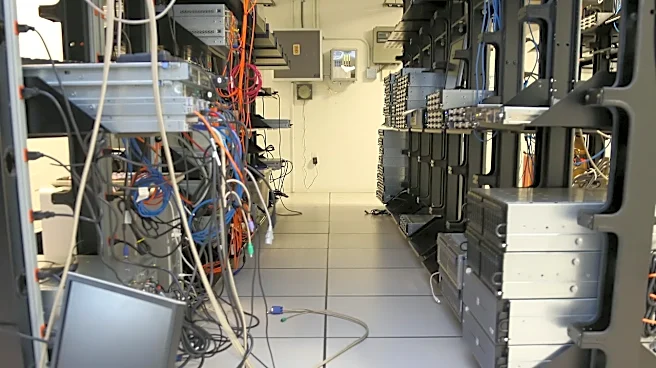
The first major disconnect between theory and practice is physical. Edge data centers don't just appear out of thin air. They require real estate, power, cooling, and physical security. While putting a server in a climate-controlled central office is one thing, deploying thousands of them on cell towers, lampposts, or in roadside cabinets is a monumental logistical and financial challenge. Many existing cell sites lack the necessary power grid capacity or physical space to support this additional hardware. This means costly upgrades and complex negotiations with property owners and municipalities. The dream of a ubiquitous edge network runs headfirst into the very tangible, expensive, and time-consuming work of real-world construction and power management.
A Patchwork of Software, Not a Platform
Beyond the physical hurdles lies a maze of software and integration complexity. A distributed network of edge locations is inherently harder to manage than a centralized data center. There isn't a single, plug-and-play operating system for the edge. Instead, companies are often stitching together solutions from different vendors, leading to interoperability issues. Managing and orchestrating applications across potentially thousands of distributed sites requires sophisticated automation that is still maturing. Furthermore, securing this vastly expanded network footprint is a major concern; every new edge node represents another potential vulnerability to cyberattacks like DDoS, which can be devastating to a localized node.
The 'Killer App' Chicken-and Egg Problem
For the public 5G edge to truly take off, it needs a 'killer app'—a service or function so compelling that it drives widespread adoption and justifies the massive infrastructure cost. Right now, that app is proving elusive for the consumer market. Telecom operators are hesitant to spend billions building out a comprehensive public edge network without clear evidence of applications that will generate significant revenue. Conversely, developers are reluctant to invest heavily in creating complex edge native applications until the network is reliably and widely available. This creates a chicken and egg scenario where both sides are waiting for the other to make the first big move.
Where It Is Working: The Private Advantage
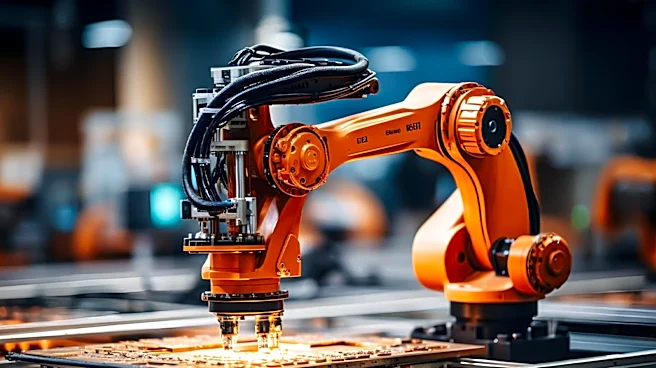
Despite the slow start for public networks, 5G edge computing is finding significant success in controlled, private environments. Industries like manufacturing, logistics, and shipping are deploying private 5G networks within their own facilities, such as factories, warehouses, and ports. In these settings, the company controls the entire environment, sidestepping the complexities of public real estate and network integration. The use cases are clear and provide immediate return on investment: running AI for quality inspection, controlling autonomous robots in real time, and enabling predictive maintenance on machinery. These private networks are where the promise of 5G edge is becoming a production reality today, offering a blueprint for how the technology might eventually scale to the wider world.