



More Than Just Mind-Boggling Revenue
It’s hard to overstate Nvidia's financial performance. The company has been reporting staggering, triple-digit year-over-year revenue growth, with sales figures consistently blowing past analyst expectations. The engine of this growth is its Data Center
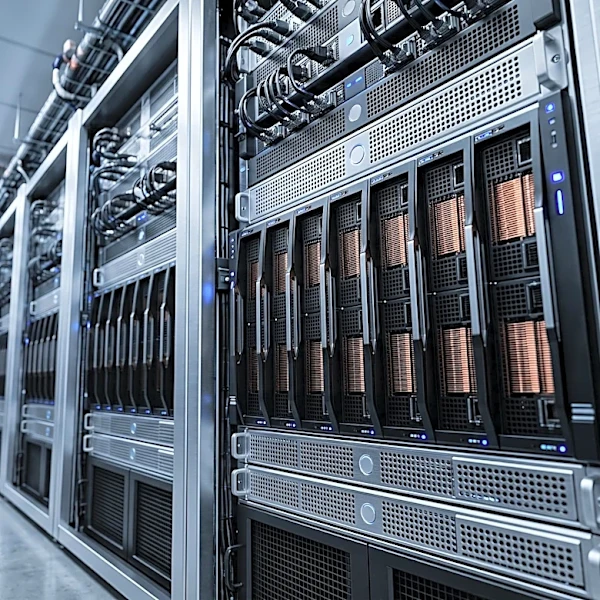
division, which produces the high-powered processors that are the foundational hardware for the artificial intelligence revolution. Tech giants and cloud providers are buying these chips as fast as Nvidia can make them, creating a demand surge that has reshaped the entire semiconductor industry and made Nvidia one of the most valuable companies in the world. This top-line number is what grabs the headlines, painting a picture of a company with unstoppable momentum.
Why Is the Warehouse Getting Fuller?
At the same time that revenue has been soaring, another, less-publicized number has also been climbing: inventory. As of its recent reporting, Nvidia's inventory has swelled to tens of billions of dollars, a figure that is growing significantly quarter-over-quarter. In business, rising inventory can be a red flag. It often suggests a company is producing more goods than it can sell, leading to worries about future demand, potential write-downs, and cash being tied up in unsold products. For a company in a fast-moving sector like semiconductors, where today’s cutting-edge chip can be tomorrow’s old news, a large stockpile of finished goods can be particularly risky.
A Sign of Confidence, or a Warning Flare?
The massive inventory pile can be interpreted in two completely different ways. The bullish case is that this is a strategic masterstroke. Knowing that demand is far outstripping supply, Nvidia is aggressively building up components and finished goods to shorten lead times and ensure it can fulfill the colossal orders from its biggest customers. This perspective sees the inventory as a sign of supreme confidence—a company so sure of future sales that it's willing to spend billions to prepare. The bearish counterargument is that Nvidia might be misjudging the longevity of the current AI spending frenzy. If demand were to cool unexpectedly, the company could be left holding an enormous amount of very expensive inventory, forcing it to slash prices and hurting its famously high profit margins.
Not All Inventory Is Created Equal
To get a clearer picture, you have to look at what that inventory is made of. A crucial part of Nvidia's strategy involves massive, long-term supply commitments for essential components, particularly high-bandwidth memory (HBM). The company has locked in hundreds of billions of dollars in purchase obligations, essentially buying up future supply to choke off competitors and guarantee its own production pipeline. These commitments for raw materials and components are less risky than a mountain of finished, unsold GPUs. It shows Nvidia is playing a long game, managing its supply chain years in advance to secure its market position. This proactive buying is a key reason for the inventory build-up and is seen by many analysts as a necessary cost of dominance in an industry plagued by supply constraints.
The Ecosystem's Echo
Nvidia's strategy extends beyond simply stockpiling parts. The company is also making huge financial commitments to support the entire AI ecosystem, from investing in the AI startups that use its chips to financing the data centers that house them. These complex financial arrangements, sometimes described as a 'circular-financing structure,' ensure there are ready customers for its products. While these moves fuel demand, they also tie Nvidia’s financial health more deeply to the success of its partners. The inventory number, therefore, isn't just about chips on a shelf; it's a reflection of a vast, interconnected strategy to both supply and stoke the flames of the AI boom.