




The story of PayPal isn't just about revolutionizing online payments. It's about the 'PayPal Mafia,' the extraordinary group of founders and early employees who used their success to build the next generation of world-changing companies.
1. LinkedIn
Before you could
endorse a colleague for 'synergy' or get a notification that 'a recruiter is looking at your profile,' there was Reid Hoffman, PayPal's former COO. He co-founded LinkedIn in 2002, just after the eBay acquisition, with the vision of creating a professional social network. It perfectly mirrors PayPal's core strategy: build a critical mass of users to create an indispensable network. Where PayPal connected buyers and sellers, LinkedIn connected job seekers, recruiters, and professionals, turning our resumes into living, breathing digital profiles. It transformed how professional identity and networking operate online, proving that the network effect could be applied to far more than just money.
2. Tesla & SpaceX
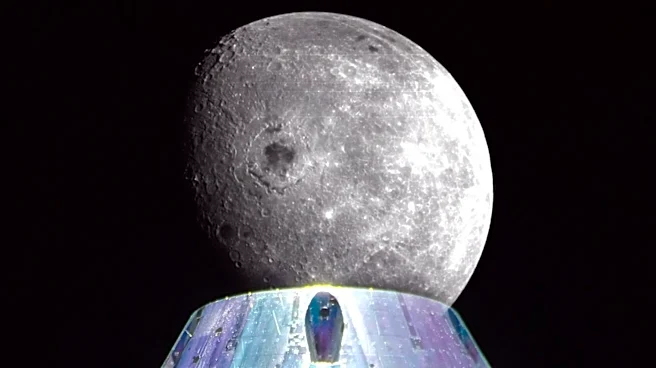
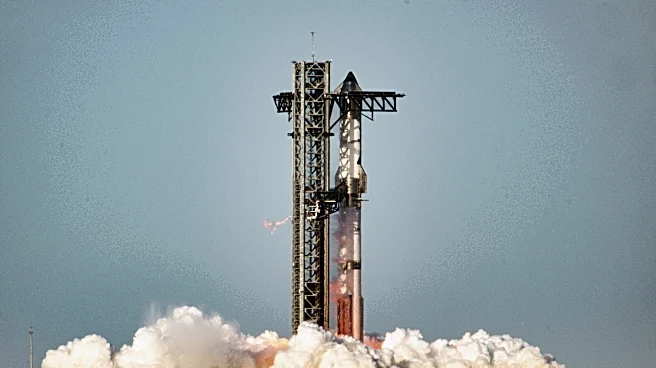
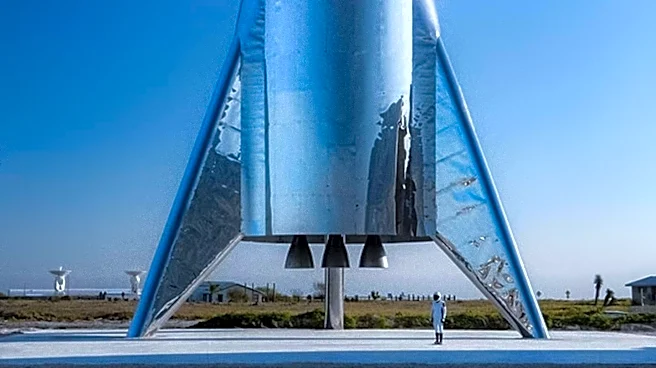
Elon Musk's trajectory after PayPal is the stuff of legend. He wasn't a founder of Tesla, but he joined as an early investor and its chairman in 2004, eventually becoming CEO and the driving force behind the brand. Using the capital from PayPal's sale to eBay, Musk funded both Tesla and SpaceX. While one aims to revolutionize terrestrial transport and energy consumption and the other aims for the stars, both companies embody the audacious, industry-shattering ambition that defined PayPal's early days. Musk's role at PayPal began when his own fintech startup, X.com, merged with its competitor, Confinity, to become the company we know today. His post-PayPal ventures took that spirit of disruption to the physical world, tackling manufacturing, aerospace, and energy with a startup's agility and a visionary's ambition.
3. Palantir Technologies
If PayPal's challenge was fighting online fraud, Palantir took that battle to a global scale. Co-founded by Peter Thiel, PayPal's former CEO and the reputed 'Don' of the PayPal Mafia, Palantir builds sophisticated data-analysis software. The company's genesis was directly inspired by the anti-fraud technologies developed at PayPal, which were designed to spot complex patterns in transaction data to catch bad actors. Thiel realized that similar tools could help government agencies and large corporations make sense of massive, disconnected datasets. Palantir represents a different flavor of PayPal's DNA—not a consumer-facing network, but a deep-tech solution to high-stakes problems, from counter-terrorism to corporate cybersecurity.
4. YouTube
What does a video sharing platform have to do with online payments? Its founders. YouTube was created in 2005 by three early PayPal employees: Chad Hurley, Steve Chen, and Jawed Karim. They experienced firsthand the challenges of sharing videos online and decided to solve it. Their solution applied the PayPal ethos of making a complicated process incredibly simple for the user. Before YouTube, hosting and sharing video was clumsy and unreliable. The trio built a platform that just worked, removing the technical friction and creating a space for user generated content to explode. Within 18 months, Google acquired the company for $1.65 billion, cementing its place as the definitive platform for online video and a testament to the problem solving culture nurtured at PayPal.
5. Affirm
Max Levchin, PayPal's co founder and former CTO, returned to the fintech world with Affirm, a company that directly challenges the traditional credit card industry. Launched in 2012, Affirm offers 'buy now, pay later' services, allowing consumers to make purchases with transparent , fixed term loans instead of revolving credit. It is a direct descendant of PayPal s mission to reinvent financial services. Levchin , who was instrumental in developing PayPal s crucial anti fraud systems , brought his deep understanding of risk and technology to create a modern alternative to consumer debt . Affirm s success demonstrates that the drive to disrupt the financial establishment , which was at the core of PayPal s identity , is still a powerful force in the hands of its original architects.