






The Tortoise, Not the Hare
Texas Instruments' story is one of deliberate patience in an industry obsessed with speed. The company that gave the world the first commercial silicon transistor and the integrated circuit has built its empire not by chasing fads, but by becoming essential.
While other firms bet big on the consumer-facing products of the moment, TI focused on analog and embedded processors—the unglamorous but vital chips that regulate power, process real-world signals, and act as the brains in everything from cars to factory robots. This strategy means TI’s products have incredibly long life cycles, sometimes lasting for decades in industrial or automotive applications. That longevity provides a stable, recurring revenue stream that insulates the company from the dramatic boom-and-bust cycles that characterize much of the tech world.
Dodging the Dot-Com Disaster
The late 1990s tech boom was a frenzy of high-flying internet startups with soaring valuations and little revenue. While many chipmakers chased the explosive growth of personal computers and web infrastructure, TI maintained its diversified approach. The company had already shifted to focus more on Digital Signal Processors (DSPs) and analog chips, which were critical for the burgeoning mobile phone market, but it avoided overexposure to the purely speculative dot-com sector. When the bubble burst in the early 2000s, companies built on hype collapsed. TI, grounded in the real-world electronics of its 100,000-strong customer base, took a hit but remained standing on a solid foundation of diverse, long-term contracts.
A Strategic Retreat from the Smartphone Wars
Surviving one boom and bust taught valuable lessons. During the global financial crisis of 2008 and the subsequent smartphone boom, TI faced another critical choice. Its OMAP processors were at the heart of many early smartphones, a seemingly lucrative market. Yet, management saw a future of intense competition and shrinking profit margins. In a move that stunned many, TI made the deliberate decision to pivot away from the hyper-competitive mobile processor race. Instead, it doubled down on its core strengths: analog and embedded chips for the industrial and automotive sectors. These were less volatile markets where relationships were sticky, product cycles were long, and profitability was more predictable. This strategic retreat from a high-profile market was a masterclass in corporate discipline.
The ‘Boring’ Backbone of the AI Boom
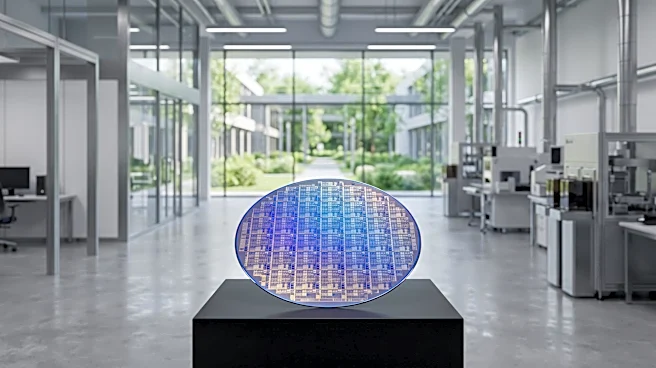
Today, as the tech world is consumed by the artificial intelligence boom, TI remains true to its strategy. It isn’t competing to build the massive, cutting-edge GPUs that power large language models. Instead, it’s supplying the essential components that surround those processors in data centers, electric vehicles, and smart factories. Every AI-powered system needs sophisticated power management chips, sensors, and microcontrollers to function—and that’s TI’s sweet spot. The company is investing billions in its own 300-millimeter wafer manufacturing facilities in the U.S., giving it a significant cost advantage and greater control over its supply chain. This focus on internal manufacturing ensures that as trends like AI and automation accelerate, TI will be the one selling the picks and shovels during the gold rush.