








The Two Paths: Direct vs. Domestic
The first thing to understand is that not all Keychron purchase options are created equal. You can typically buy from two main places: directly from Keychron's global website or from a domestic retailer like Amazon. The choice you make has significant
consequences that go far beyond the initial price tag. Buying directly often grants you access to the widest variety of models and layouts, sometimes at a lower sticker price. However, these products almost always ship from warehouses in China. On the other hand, buying from a U.S.-based Amazon storefront means you get the product from a domestic warehouse. This usually translates to faster, more predictable shipping and the protection of Amazon's familiar return policy. The tradeoff is often a more limited selection and occasionally a slightly higher price to account for the logistics the reseller handles.
Shipping, Patience, and Surprise Fees
If you order direct, brace yourself for a potentially long and unpredictable wait. While Keychron may ship an item in a few business days, the journey from their warehouse to your door is out of their hands. It involves international freight and, most importantly, U.S. customs clearance. This process can be smooth, taking a week or two, or it can be fraught with delays. Furthermore, buying direct introduces the possibility of unexpected import duties or tariffs. While Keychron's site notes that U.S. buyers have often not been charged these fees in the past, they make it clear that the price does not include any potential taxes and that the buyer is responsible. These fees, which can be levied by the shipping carrier like DHL before they release the package, can add a significant and unforeseen cost to your 'cheaper' direct purchase. Some buyers have reported being asked to pay these fees, creating confusion and extra expense.
The Customer Service Gamble
Herein lies the biggest hidden trade-off. When you buy from a domestic retailer, a return or exchange is usually a straightforward, free process. If you buy direct from Keychron and something goes wrong—a dead-on-arrival unit, a malfunctioning key, or a quality control issue—the path to resolution can be more complicated. User reports are mixed, with some customers receiving excellent, responsive help and replacement parts. However, many others describe a frustrating process involving extensive troubleshooting, video evidence requirements, and slow email communication across time zones. For returns, even on a defective product, customers are often required to pay for the costly international shipping back to China, with only partial reimbursement offered in some cases. This can leave buyers in a tough spot, forced to either accept a faulty product or pay nearly as much as the item is worth just to return it.
Firmware Isn't Always Plug-and-Play
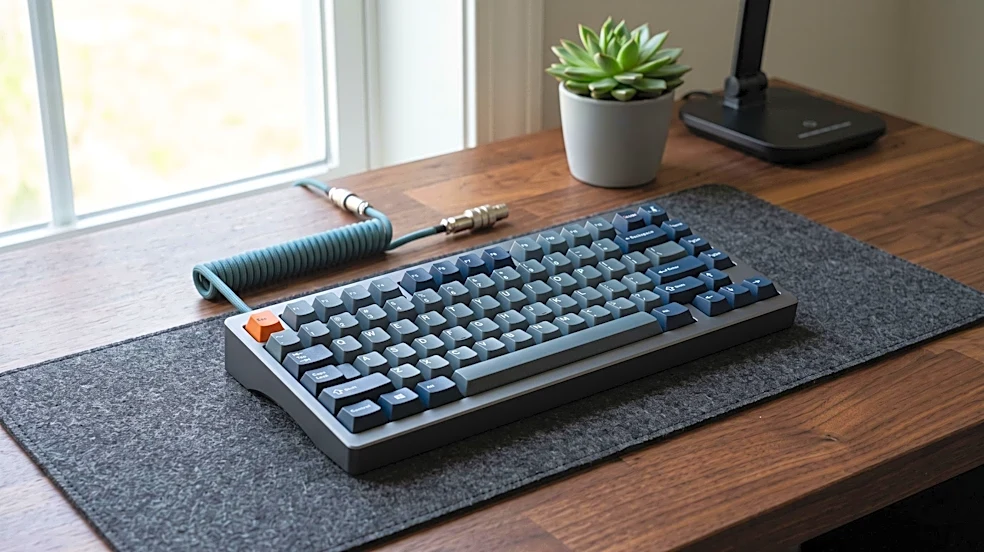
Keychron keyboards are widely praised for their support of powerful customization software like VIA and QMK. What reviews sometimes gloss over is that getting it to work isn't always a simple plug-and-play experience. For some models, users must manually download the correct JSON definition file and load it into the VIA software, a step that can be confusing for beginners. Furthermore, firmware updates can be a double-edged sword. Keychron itself posts a warning on its site, advising users not to update firmware unless it's necessary to fix a specific problem, as there's a risk of damaging the keyboard. Some updates have been reported to introduce new bugs or break compatibility with configuration tools, forcing users to navigate a complex process to find the right files and flash their boards correctly.