



The Early Days: A Scrappy Beginning
A decade and a half ago, the term “content creator” barely existed as a profession. Early YouTubers and streamers were digital pioneers, often working with whatever hardware they could afford. This usually meant a standard, low-resolution webcam perched
on a monitor and a cheap headset microphone. The results were often grainy and sounded tinny, but it was the best that consumer-grade technology could offer. Professional gear was prohibitively expensive and complex, designed for broadcast studios, not bedrooms. This created a significant gap in the market: a growing community of passionate creators had needs that consumer electronics weren't meeting, and a desire for quality that pro hardware offered but at a price they couldn’t justify.
The Prosumer Revolution
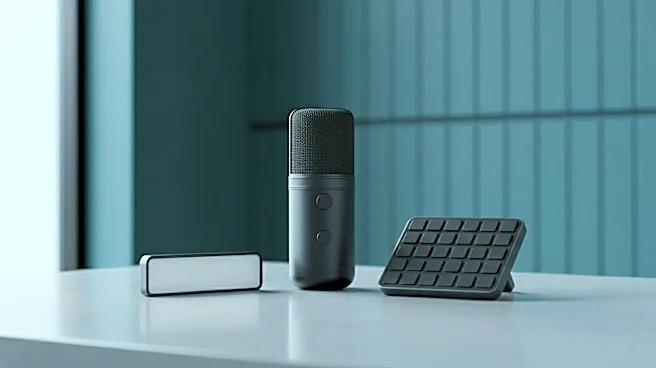
Forward-thinking companies saw this gap as an opportunity. Brands like Logitech, Blue Microphones, and Elgato began developing what would become a new class of hardware: the “prosumer” device. These products were the perfect middle ground. The Logitech C920 webcam, launched in 2012, became an instant icon, offering 1080p video at a time when most built-in cameras were stuck in standard definition. Similarly, the Blue Yeti USB microphone, released in 2009, gave creators studio-like audio quality with simple plug-and-play functionality. These weren't just incrementally better versions of existing products; they were purpose-built tools that empowered creators to dramatically increase their production value without needing an engineering degree or a small business loan. They were affordable, accessible, and powerful.
The Feedback Loop: From Niche to Mainstream
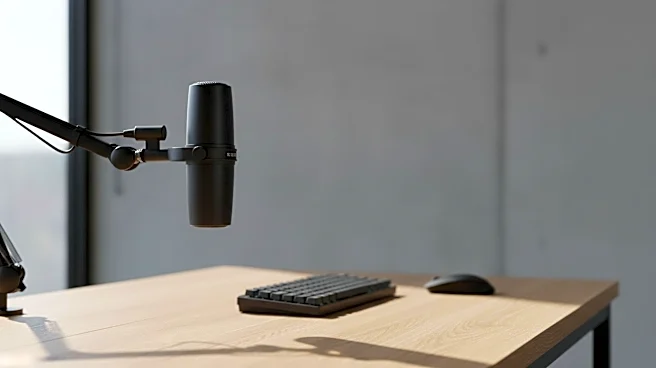
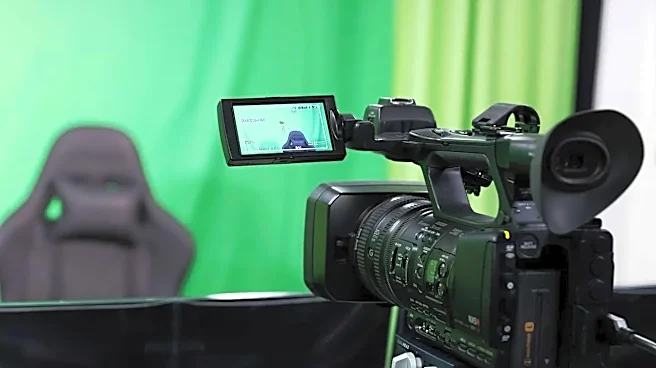
This is where the quiet reshaping began. As the creator economy exploded, so did the market for these peripherals. The features developed for this demanding niche started to look very appealing to hardware manufacturers targeting the broader consumer market. Creators needed high-resolution sensors for clear video, better microphones for clean audio, and high refresh rates for smooth game capture. Soon, those same features started appearing in mainstream devices. The advanced cameras on our flagship smartphones, the multi-microphone arrays in laptops designed to filter out background noise, and even the customizable hotkey pads like the Elgato Stream Deck all began as solutions for creators. The Stream Deck, initially a tool for streamers to switch scenes and trigger effects, introduced a new paradigm for user-customizable interfaces that is now influencing software and hardware design far beyond streaming.
The Great Acceleration and Today's Baseline
The global pandemic in 2020 threw this gradual trend into overdrive. Suddenly, millions of people working and learning from home needed better video and audio, causing a massive shortage of webcams. The technology that had been honed and perfected for the creator community was now essential for everyone. What was once a premium feature for a Twitch streamer—a clear 1080p camera and a microphone that didn't make you sound like you were in a wind tunnel—became the baseline expectation for a professional's laptop. The bar for consumer hardware had been permanently raised, not by a top-down decision from a tech giant, but by the bottom-up needs of a creative community that had spent years demanding more from its tools.