
Not Your Tech-Bro’s Sci-Fi Goggles
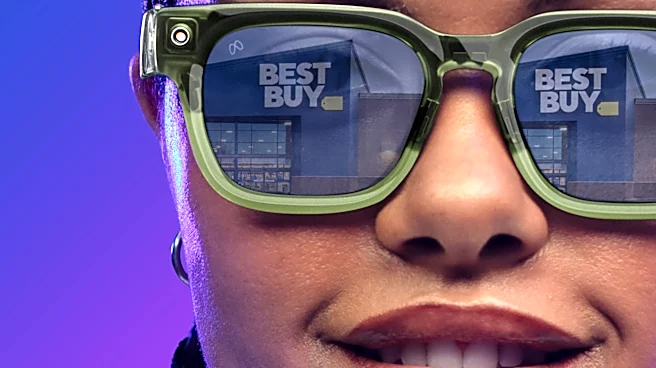
Forget the clunky, awkward prototypes of the past. The smart glasses of 2026 are a different breed. Thanks to a partnership between Meta and Ray-Ban, these devices now look and feel like regular, stylish
eyewear. This design breakthrough is crucial; people are finally willing to wear them in public. While some models offer a small, see-through display for notifications and navigation, the most popular versions are “display-less.” Instead, they function as AI-powered companions, using tiny cameras, microphones, and open-ear speakers to let you take calls, capture photos, and interact with an AI assistant without ever reaching for your phone. The technology is becoming so integrated that it’s getting harder to tell smart glasses from a standard pair of frames, which is both the key to their success and the source of a growing controversy.
The Titans of the New Frontier
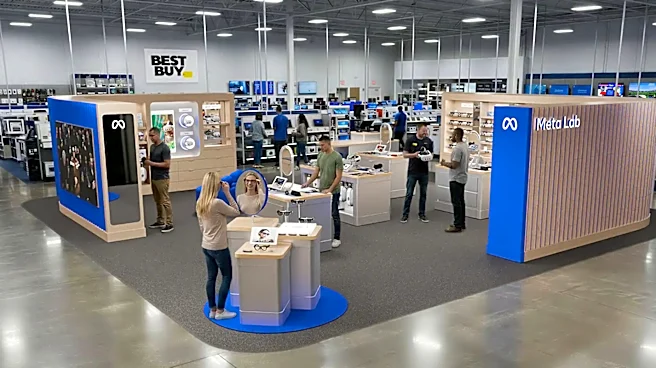
The race to own this new screen is dominated by familiar names, each with a different strategy. Meta is the undisputed frontrunner, capturing a staggering 69% of the market in early 2026. Its partnership with EssilorLuxottica, the parent company of Ray-Ban and Oakley, has given it a massive head start in fashion and retail distribution. Trailing far behind are smaller players like RayNeo and Xiaomi. But the real threat looms from Cupertino. Apple is widely expected to enter the market between late 2026 and 2027. True to form, Apple isn’t rushing to be first. Reports suggest its initial product will be a premium, display-free device focused on seamless integration with the iPhone and the broader Apple ecosystem. Meanwhile, Google is also re-entering the ring, hoping to leverage its Gemini AI and Android platform to create a more powerful spatial computing experience. The battle lines are drawn: Meta’s fashion-first, mass-market approach versus Apple’s premium, ecosystem-driven play and Google’s AI-centric vision.
Why Competitors Are So Afraid
The fear among rivals isn't just about selling a new gadget; it’s about the terror of being locked out of the next major computing platform. The smartphone created a duopoly for Apple and Google that has defined the tech landscape for nearly two decades. The winner of the smart glasses war could establish similar dominance for the next generation. If a user’s primary interface with the digital world is a pair of glasses made by Meta or Apple, that company controls the operating system, the app store, and the firehose of data that comes with it. It’s a chance to rewrite the rules of digital advertising, e-commerce, and social interaction. For companies left behind, it could mean becoming a second-tier app on a competitor's platform—or worse, becoming irrelevant. This is what makes Meta’s current lead so significant and Apple's potential entry so terrifying to competitors: the game is not about glasses, but about owning the future.
A Debate Over Privacy and Presence
The rise of the face as a screen brings a minefield of social and ethical questions. The ability to covertly record video and audio has led to a fierce backlash, with critics dubbing the devices “pervert glasses.” This isn't just online chatter; law enforcement agencies across the U.S. have issued warnings about the security threats these devices pose, fearing they could be used to secretly film inside secure facilities. The debate centers on consent and awareness. While most glasses have an LED indicator light to show when they are recording, many argue it’s not enough. The technology raises questions that society has yet to answer: Do we have a right to know when we are being filmed in public? How will social dynamics change when you can’t be sure if the person you’re talking to is present with you or interacting with a digital overlay? The normalization of constant, low-friction recording could fundamentally alter our expectation of privacy in public spaces.