




Misconception 1: Bitcoin Has No 'Real' Value
One of the most common critiques is that Bitcoin isn't backed by anything, unlike a stock tied to a company's earnings or a currency backed by a government. This misses the point of where its value comes from. Bitcoin's value is derived from a combination
of factors, much like gold. Its primary driver is provable scarcity. The code strictly limits its total supply to 21 million coins, a cap that cannot be changed by any central authority. This makes it inherently resistant to the kind of inflation that can occur when governments print more money. Furthermore, its value is supported by its utility as a global, decentralized network for transferring value without an intermediary, the trust placed in its secure and unchangeable blockchain technology, and the growing network effect of its adoption.
Misconception 2: It's Anonymous and Only for Criminals
The idea of Bitcoin as a secret, untraceable currency for illicit activities is a myth rooted in its early days. Bitcoin is not anonymous; it's pseudonymous. Every single transaction is permanently recorded on a public ledger called the blockchain, visible to anyone. While transactions are linked to alphanumeric addresses, not personal names, these addresses can often be traced back to individuals. Law enforcement agencies regularly use blockchain analysis tools to track and prosecute illegal activity. In reality, the transparent nature of the blockchain makes it a surprisingly difficult tool for criminals to use compared to untraceable cash.
Misconception 3: It's a Digital Currency and Nothing More
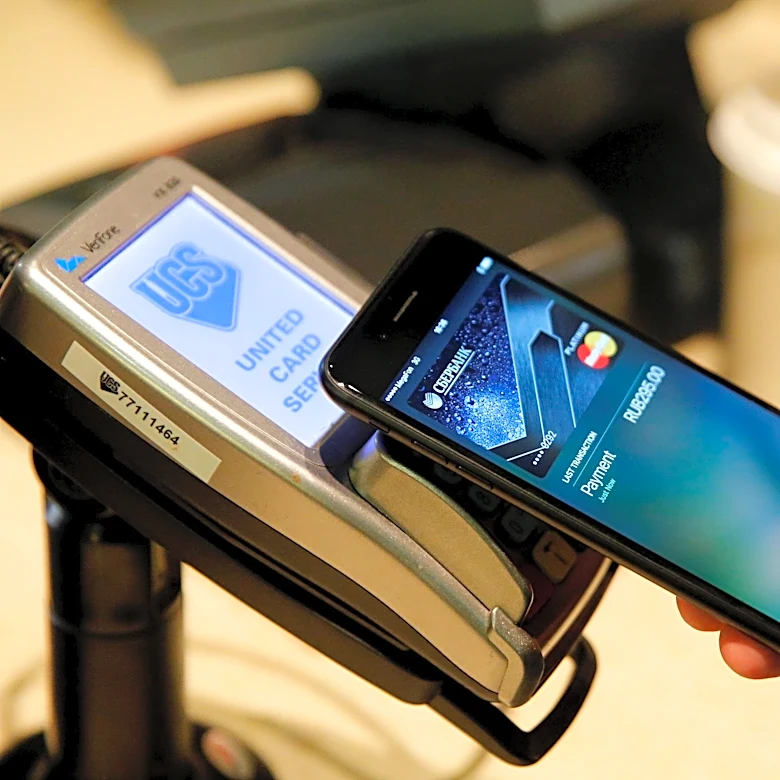
While Bitcoin was described in its 2008 white paper as a "peer-to-peer electronic cash system," its primary use case has evolved. High volatility and transaction processing times make it less than ideal for buying a cup of coffee. Instead, many investors and even institutions now view it primarily as a store of value, akin to "digital gold." The argument is that its scarcity, durability, and portability make it an effective way to preserve wealth over the long term, potentially as a hedge against the debasement of traditional currencies. It's both a payment network and a savings technology, and focusing only on the former overlooks its most compelling current role.
Misconception 4: It's Just a Speculative Fad for Retail Traders
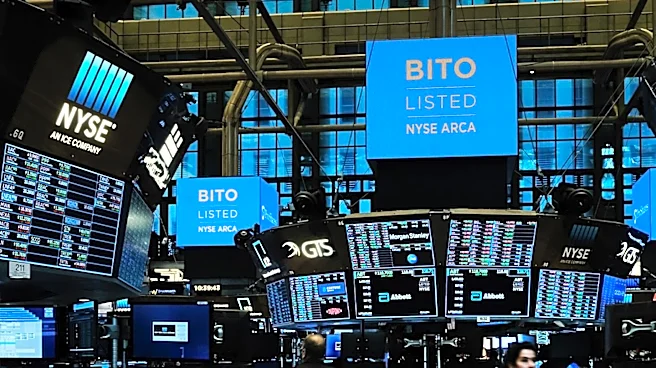
While Bitcoin's price is famously volatile and attracts speculators, dismissing it as a short-term gamble is becoming an outdated view. In recent years, institutional adoption has accelerated significantly. Major asset managers have launched Bitcoin ETFs (Exchange-Traded Funds), providing regulated and accessible investment vehicles for a wider range of investors, including pension funds and endowments. Furthermore, publicly traded companies like MicroStrategy and others have added billions of dollars worth of Bitcoin to their corporate treasuries, treating it as a legitimate reserve asset. This growing institutional buy-in suggests a maturation of the asset class beyond its purely speculative origins.