






For years, Meta was the company that connected you with friends. Now, it's undergoing a seismic shift, spending billions not on news feeds, but on the foundational plumbing of an AI-powered world. This is the story of its massive financial bet.
The Empire Built on Clicks
For the
better part of two decades, Meta's financial formula was stunningly simple and effective. The company, formerly known as Facebook, built a global empire by connecting billions of people across its family of apps—Facebook, Instagram, WhatsApp, and Messenger. The business model was elegant: let users share photos, updates, and messages for free, and use the data about their interests and connections to sell hyper-targeted advertising. This created a money-printing machine with relatively low overhead. Beyond maintaining servers and hiring developers, the core product scaled almost infinitely, generating staggering profits from ad revenue alone. It was a business built on digital real estate and user attention.
The Costly Metaverse Detour
Around the turn of the decade, the first major strategic pivot began. Spooked by the rise of new platforms and the fear of becoming yesterday's news, CEO Mark Zuckerberg announced a massive push into the metaverse. The company even renamed itself Meta to signal its commitment. This was the beginning of a new financial reality. The Reality Labs division, tasked with building this virtual world, started consuming capital at an astonishing rate, with losses climbing into the tens of billions of dollars. Unlike the high-margin ad business, building the metaverse required costly hardware R&D, from headsets to haptic gloves, with no clear path to mass-market profitability. The bet was bold, but investors grew anxious as the spending mounted with little to show for it.
The New Religion: AI Infrastructure
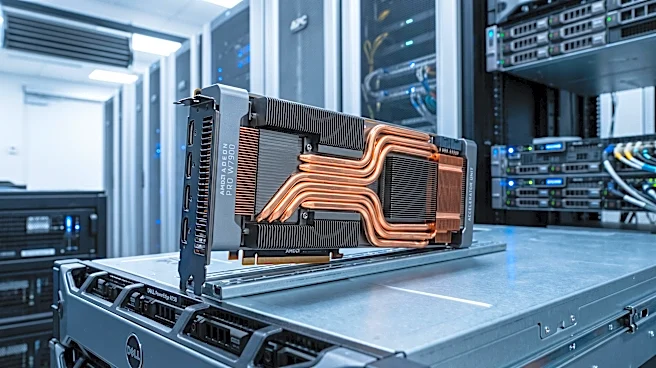
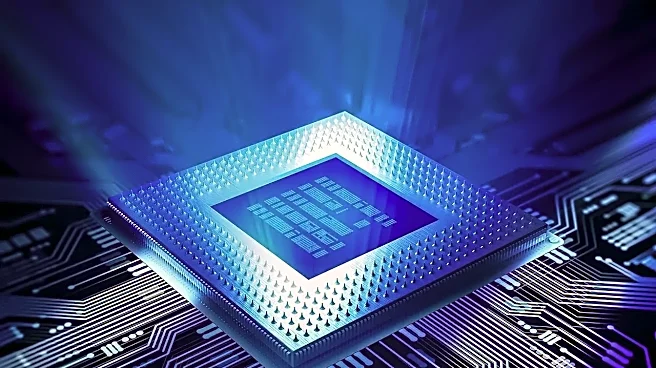
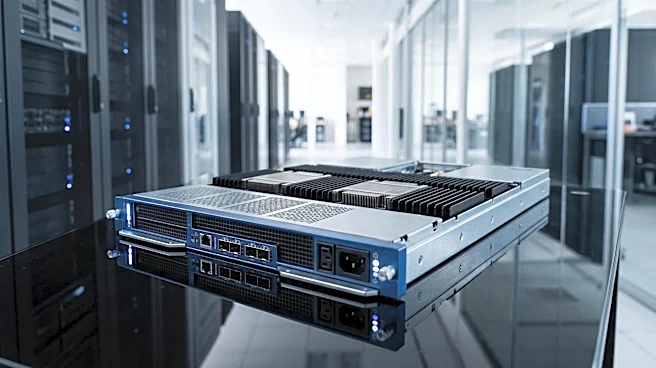
While the metaverse project continues, a more profound and expensive transformation has taken center stage: the pivot to artificial intelligence. This isn't just about creating fun chatbots or image generators; it's a fundamental shift to building and owning the underlying infrastructure of the AI era. Instead of just software, Meta is now in the hard-hat business of constructing massive data centers and buying hundreds of thousands of specialized, high-priced graphics processing units (GPUs) from companies like Nvidia. The goal is to achieve 'artificial general intelligence' (AGI) and make its foundational models open source, a move designed to commoditize the AI landscape and prevent a single competitor from dominating. This strategy requires capital expenditures that dwarf even the metaverse's burn rate.
How the Financials Have Changed
Meta's financial statements now tell a completely different story. Where profit margins were once the main event, the headline number is increasingly capital expenditure, or 'capex'. The company has signaled to Wall Street that it will spend whatever it takes to secure its place in the AI future, projecting spending in the high tens of billions annually for the foreseeable future. This spending pressures profits in the short term, a tough pill for investors accustomed to the old, asset-light model. The logic is that this investment will pay off in three key ways: dramatically improving ad_targeting systems to deliver more value, creating new AI_powered products and features for users, and eventually, offering AI services to businesses, creating an entirely new revenue stream.
A Bet on Owning the Next Internet
Ultimately, Meta's transformation is a colossal gamble on what comes next. The company is betting that the next version of the internet will be built on AI. By investing heavily in the core infrastructure now—the digital roads, bridges, and power plants—it hopes to become an indispensable player, just as it was for social networking. The risk is astronomical. If another technology paradigm emerges or if its AI models fail to become the industry standard, it could be remembered as one of the most expensive corporate miscalculations in history. But if the bet pays off, Meta won't just be an app on your phone; it will be a foundational utility powering a significant slice of the digital world, ensuring its relevance and profitability for decades to come.