



The Billion-Dollar Pivot to Podcasting
The single most transformative move Spotify made was its aggressive, all-in pivot to podcasting. Beginning around 2019, the company publicly declared its ambition to become the world's leading audio platform, not just a music service. This wasn't a minor
side project; it was a fundamental reorientation of its business, backed by over a billion dollars in acquisitions and exclusive content deals. While competitors like Apple and Amazon were focused on music catalogs, Spotify saw an opportunity to own a different kind of content, one with radically different economics. This strategic shift was formally kicked off with the high-profile acquisitions of podcasting network Gimlet Media and creation platform Anchor, signaling a serious new direction.
Escaping the Music Industry’s Margin Trap
To understand why Spotify dove headfirst into podcasting, you have to understand the brutal economics of streaming music. For every song played, Spotify pays royalties to record labels, publishers, and artists. This model means that as its usage grows, so do its costs, keeping profit margins painfully thin. The company doesn't own the music; it essentially rents it. This leaves it vulnerable and dependent on negotiations with a handful of major labels. Podcasting offered an escape. By creating or exclusively licensing podcasts, Spotify could own the content on its platform. This vertical integration is a classic media playbook, similar to how Netflix moved from licensing movies to producing its own original series. Owned content doesn't require the same per-stream royalty payments, offering a path to much healthier profits and greater control over its own destiny.
Buying an Entire Ecosystem
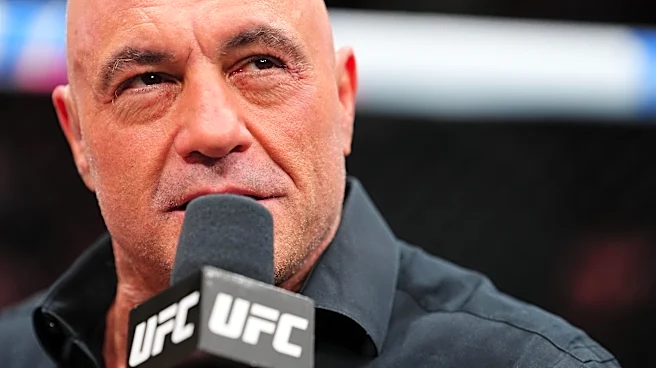
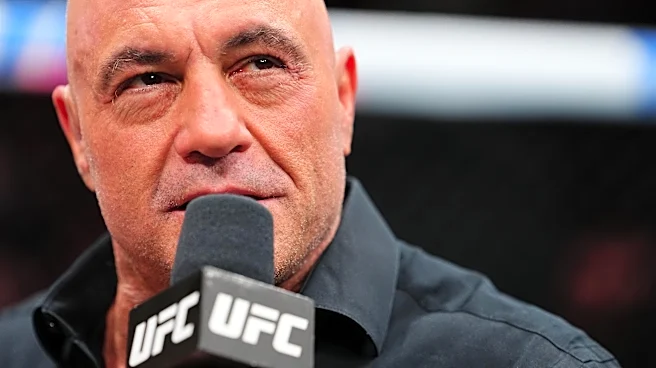
Spotify didn't just dip its toes in the water; it tried to buy the entire pool. Its strategy was twofold: acquire the means of production and secure the biggest stars. The acquisitions of Anchor, a platform that makes it easy for anyone to create a podcast, and Megaphone, a podcast advertising company, gave Spotify control over the industry's infrastructure. This allowed them to power a huge portion of new podcasts being created. Simultaneously, the company spent hundreds of millions on exclusive licenses for the world's most popular shows. The nine-figure deals for 'The Joe Rogan Experience' and 'Call Her Daddy' were seismic events, pulling massive audiences exclusively onto the Spotify platform and forcing listeners to switch apps. These moves were designed to rapidly capture market share and establish Spotify as the top destination for podcast listeners.
The New Audio Landscape
The impact of this podcast blitz was immediate and far-reaching. It transformed Spotify from a simple music utility into a multifaceted audio entertainment brand. Users who came for exclusive podcasts spent more time on the platform overall, which also increased their music listening. The move forced competitors to react, with Amazon and Apple significantly ramping up their own podcasting efforts. More importantly, it reshaped the creator economy. By building an ecosystem with creation tools, analytics, and a massive advertising network, Spotify turned podcasting into a more professionalized and monetizable medium. While the early strategy focused heavily on exclusivity, it has since evolved to include broader distribution for its biggest shows, leveraging them to dominate the podcast advertising market across all platforms.