






The Age of the Swipe
Cast your mind back to the mid-2010s. The dating app landscape was dominated by a single, revolutionary mechanic: the swipe. Tinder had gamified attraction, and a wave of imitators followed. Hinge, founded by Justin McLeod in 2011, was one of them. Initially,
it differentiated itself by connecting users only with friends-of-friends via Facebook, a feature competitors quickly copied. For years, Hinge existed as a respectable but unremarkable player in a crowded market. It had swiping, expiring matches, and a user base that, like on other apps, was beginning to feel the burnout of what one Vanity Fair article famously dubbed the “dating apocalypse.” Internally, the company realized it was part of the problem it originally set out to solve. Users saw it as just another casual app, not the relationship-focused platform it aspired to be.
The Great 2016 Gamble
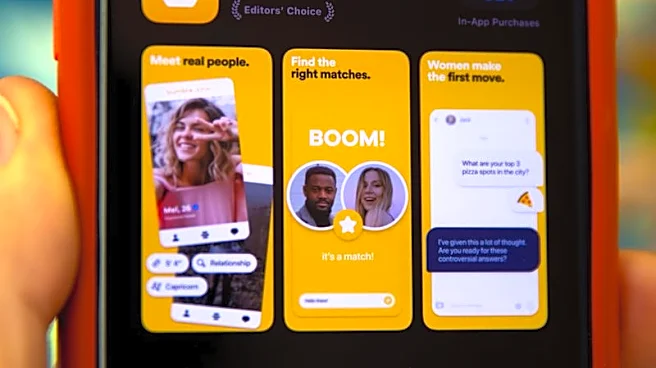
By late 2015, McLeod and his team faced a choice: continue tweaking a model that wasn't truly working or do something radical. They chose radical. The hidden decision that reshaped Hinge wasn't a new feature; it was a complete and total teardown. In October 2016, Hinge as the world knew it was deliberately killed. The company rebuilt the app from scratch, making a series of bold, counterintuitive bets. First and foremost, they eliminated the swipe. Instead of mindless, rapid-fire judgments, users now had to interact with specific parts of a person's profile—a photo, or a response to a creative prompt. The goal was to start conversations, not just collect matches. Profiles became scrollable “stories” more like an Instagram feed, designed to showcase personality. And in a move that seemed like business suicide, they initially dropped the free model and implemented a mandatory $7 monthly subscription, ensuring everyone on the platform had “skin in the game.”
Designed to Be Deleted
This wasn't just a product update; it was a philosophical rebirth. The new Hinge was intentionally designed to slow users down and encourage more thoughtful interactions. The changes were built to facilitate real-world dates, not endless in-app chatter. Beta testing showed the gamble was paying off, with connections far more likely to turn into conversations and swapped phone numbers. Out of this new philosophy came one of the most brilliant marketing slogans in modern business: “Designed to be Deleted.” The tagline perfectly captured the app's new purpose. It promised users an escape from the dating treadmill. The goal wasn't to keep you as a user forever; it was to help you find a relationship so you could leave. This counter-commercial message resonated deeply with a generation tired of digital dead ends, transforming Hinge's brand from just another app into a clear-cut mission.
The Payoff and the Future
The market's response was dramatic. While the initial paid-only model was later adjusted to a freemium structure, the core changes stuck. User growth exploded by over 400% following the redesign. Hinge became the go-to app for millennials looking for something more serious than a hookup but less traditional than Match.com. This incredible turnaround caught the eye of the industry's biggest player. In 2017, Match Group (the parent company of Tinder, OkCupid, and others) made an initial investment, acquiring a majority stake in 2018 and purchasing the company outright in 2019. Hinge had successfully carved out a valuable niche, not by out-swiping Tinder, but by abandoning the game entirely. The decision to rebuild proved that in a market saturated with quantity, there was a huge, untapped demand for quality.