





The Wild West Before the Watch
Long before the Apple Watch defined the category for millions, the idea of a “smart” watch was a geeky fantasy that had been around for decades. Companies like Seiko released calculator and computer-syncing watches in the 1980s that were technological
marvels, if impractical. Even Microsoft tried to get in on the action in the early 2000s with its SPOT watches, which used FM radio signals to deliver news and weather. But these early efforts were isolated and failed to create a true market. The real turning point came in the early 2010s, with the rise of smartphones creating a perfect companion device. This era belonged not to a tech titan, but to a startup with a simple, brilliant idea.
The Kickstarter Darling That Defined a Different Path
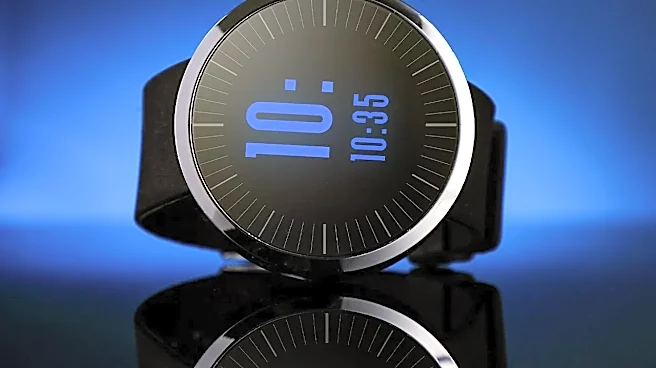
Pebble wasn't the first smartwatch, but it was the first one that mattered to a lot of people. Launched on Kickstarter in 2012, it was a sensation. Its philosophy was fundamentally different from what we know today. Instead of a power-hungry, miniature smartphone on your wrist, the Pebble used a low-power e-paper display, giving it a battery life that lasted for days, not hours. It was simple, hacker-friendly, and compatible with both iPhones and Androids. For a few years, Pebble represented a possible future where the smartwatch market was more open, more affordable, and less controlled by a single ecosystem. It was the indie-rock hero in a world about to be dominated by pop superstars. The company's eventual failure and sale to Fitbit for a fraction of its former valuation marked the end of that dream.
The Ghosts in the Machine: Microsoft and Nokia
While Pebble was winning hearts, the established giants were also making moves, and their failures were just as instructive. Nokia, before its acquisition by Microsoft, was developing a sleek, colorful smartwatch codenamed "Moonraker" designed to complement its Lumia phones. Featuring a swipe-based interface that predated some features of watchOS and Android Wear, it was a casualty of the Microsoft buyout, which chose to focus on its own wearable project instead. That project was the Microsoft Band, an ambitious but awkward device launched in 2014. The Band was packed with sensors and, crucially, worked across iOS, Android, and Windows Phone. It was a glimpse of a cross-platform future where your choice of watch wasn't dictated by your phone. However, its uncomfortable design and Microsoft's shifting strategy away from consumer hardware led to its demise after just two generations, with a planned Band 3—which would have been waterproof and had even more advanced health sensors—canceled before launch.
How the Ecosystems Won the War
The arrival of the Apple Watch in 2015 was the event that solidified the market we see today. It wasn't just a powerful and polished piece of hardware; it was a seamless extension of the iOS ecosystem. This was the decisive factor. The smartwatch war, it turned out, wasn't just about the watch itself. It was about the app store, the developer support, the integration with the phone, and the power of the brand. Apple's success forced the competition to consolidate. Google refined its Android Wear (now Wear OS) platform for partners like Samsung, and independent players were squeezed out. Pebble couldn't compete with the resources of a trillion-dollar company. The path of the open, indie, or cross-platform smartwatch narrowed and then effectively closed.