




The Big Idea: Numbering Every Penny
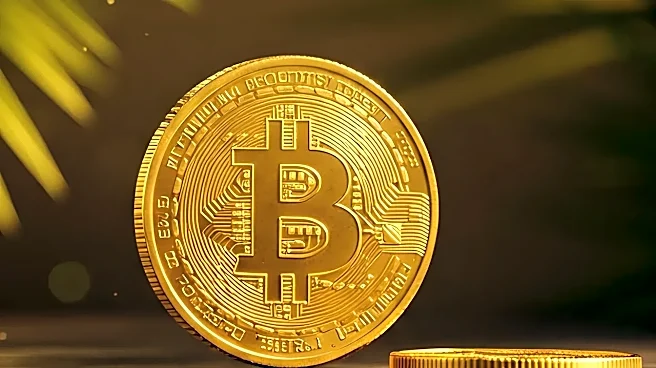
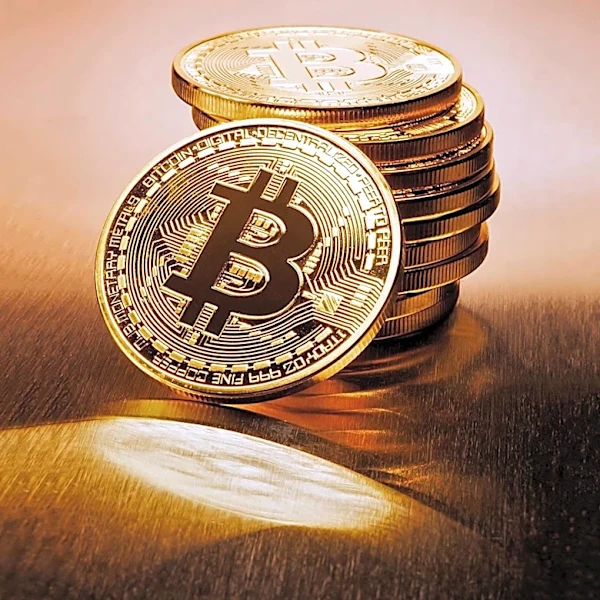
Imagine if you could track every single penny in the U.S. financial system by giving each one a unique serial number. That’s the core concept behind Bitcoin Ordinals. Bitcoin’s smallest unit is called a satoshi, or “sat”—there are 100 million sats in one bitcoin.
In 2023, developer Casey Rodarmor introduced a system called Ordinal Theory, which assigns a unique serial number to every single sat based on the order it was mined. This seemingly simple idea was revolutionary. For the first time, it was possible to identify, track, and single out any one of the trillions of satoshis in circulation, transforming them from interchangeable units into individually distinct items. This is the “hidden detail”: not a change to Bitcoin’s code, but a new way of looking at it.
From Numbers to Art: How Inscriptions Work
Once every satoshi has a unique serial number, what can you do with it? You can write on it. This process is called “inscribing.” Thanks to technical upgrades to the Bitcoin network in recent years, particularly Taproot in 2021, there's more space for data within each transaction. The Ordinals protocol uses this space to attach, or “inscribe,” data like images, text, audio, or even simple video games directly onto a specific, numbered satoshi. This creates a “digital artifact” that is permanently stored on the Bitcoin blockchain itself. Unlike many NFTs on other blockchains like Ethereum, where the image is often stored on a separate server, these inscriptions live directly on Bitcoin, inheriting its security and permanence.
A Network Divided: Innovation vs. Purity
The arrival of Ordinals split the Bitcoin community. On one side, proponents see it as a massive innovation. They argue it brings new users and use cases to Bitcoin, generates significant fee revenue for the miners who secure the network, and proves Bitcoin can evolve beyond being just a simple payment system. This new market for block space provides a crucial income stream for miners, especially as the automatic rewards for mining new blocks decrease over time. On the other side are the Bitcoin “purists.” They argue that filling the blockchain with JPEGs and other “spam” data is a misuse of the network. They point out that this activity clogs the network, drives up transaction fees for everyone, and makes it more expensive for people to use Bitcoin for its original purpose: as a peer-to-peer electronic cash system. To them, Ordinals are an attack on Bitcoin’s core mission.
The Real-World Impact
The debate isn't just theoretical. The rise of Ordinals led to dramatic spikes in Bitcoin transaction fees, with days where the fees collected by miners from Ordinals activity exceeded the traditional block reward. The competition for block space became fierce. This innovation also spawned further experiments, most notably the BRC-20 token standard, an experimental way to create new, tradable tokens directly on Bitcoin, mimicking the functionality of Ethereum's ERC-20 tokens but without smart contracts. While activity has cooled from its initial peaks, the infrastructure and the controversy remain. The genie is out of the bottle, and the Bitcoin network must now grapple with its expanded, and contested, identity.