







The AI Race Moves From Cloud to Couch
For the better part of a decade, the "AI" on your phone was a bit of a magic trick. When you asked a voice assistant a question or used a smart photo feature, your device would often send that request to a powerful computer in a massive data center miles
away. The answer would come back in seconds, creating the illusion of on-device intelligence. This cloud-based approach works, but it has its limits: it requires a constant internet connection, introduces latency, and raises privacy questions. Now, the entire industry is pivoting. The new frontier is on-device AI, where powerful, efficient artificial intelligence models run directly on your phone's hardware. This allows for faster, more personal, and more private experiences—from real-time translation to suggestions so predictive they feel like mind-reading.
Gemini's On-Device Promise
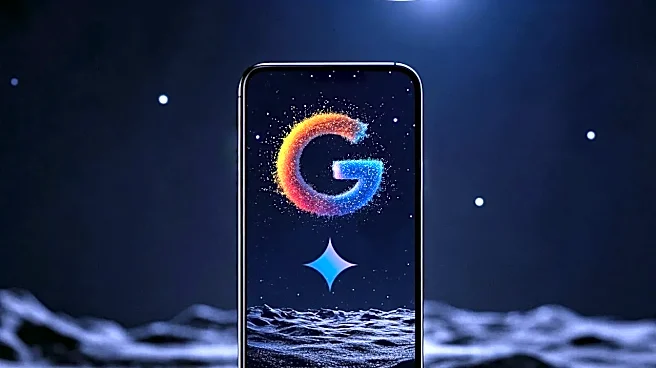
Enter Gemini, Google's flagship AI model. While its most powerful versions run in the cloud, Google also developed Gemini Nano, a smaller, more efficient model specifically designed to run locally on devices like Pixel phones. This has been Google's goal all along: to create AI that is ambient and genuinely helpful, not just a feature you open in an app. We've seen early versions of this in recent Pixel models, with features that summarize recordings or suggest text message replies. The Pixel 11, however, is expected to take this integration to a new level, with proactive Gemini tools woven directly into the operating system. New experimental features like "Call for Me," where Gemini can make routine appointment calls on your behalf, demonstrate a future where the AI handles tedious tasks entirely on its own. This is the dream: an assistant that doesn't just answer questions, but anticipates needs.
The Tensor Chip's Long Game
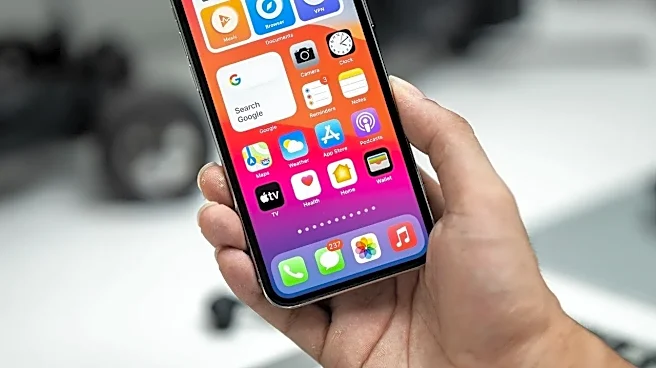
This on-device AI revolution wouldn't be possible without custom hardware. While competitors like Apple have their A-series chips with a Neural Engine and Qualcomm has its AI-focused Snapdragon processors, Google's answer is the Tensor chip. From its inception, Tensor was never about winning raw performance benchmarks. Instead, Google's strategy has been to create a System-on-a-Chip (SoC) specifically designed to accelerate its own machine learning models. Early generations of Tensor were stepping stones, laying the groundwork and allowing Google to tightly integrate its software (Android and Gemini) with its hardware. This vertical integration is something Apple has mastered, and it's crucial for optimizing performance and power efficiency in ways that off-the-shelf parts cannot. Each Pixel with a Tensor chip has been a real-world test, refining the connection between the AI models and the silicon that runs them.
Why the Pixel 11 Is the Defining Moment
The Pixel 11, powered by the new Tensor G6 chip, represents the culmination of this multi-year strategy. Reports suggest the G6 features a significantly more powerful Tensor Processing Unit (TPU)—the part of the chip dedicated to AI—with claims of it being able to process on-device AI tasks up to 3.5 times faster than its predecessor. While the G6 may still lag behind Apple and Qualcomm in pure CPU and gaming performance, its strength lies in AI-specific tasks. This specialized focus is what makes the Pixel 11 the clearest test for Gemini on hardware. It's no longer about simply having an AI model on the phone; it's about whether that deep integration can deliver a user experience so seamless and intelligent that it becomes the phone's primary selling point. Google is betting that truly useful, proactive AI features—from smarter voice typing to AI-assisted photography and automated calls—are what will finally convince users that a phone's intelligence matters more than its raw speed.