





The AI gold rush is on, and companies like Meta are spending tens of billions on the digital pickaxes: high-powered GPUs. But a critical and scarce component, High-Bandwidth Memory, is creating a supply bottleneck that could reshape the industry.
Meet HBM: The AI Engine's Supercharger
To understand
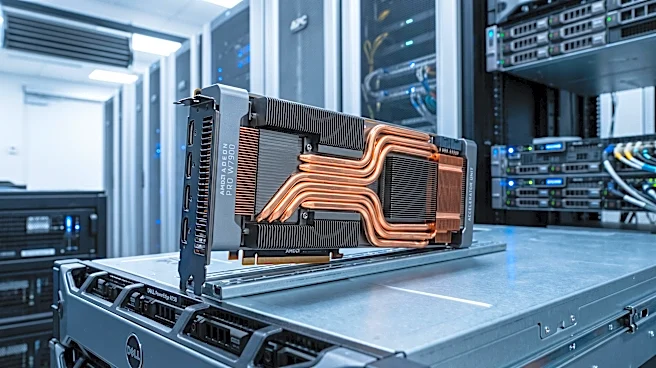
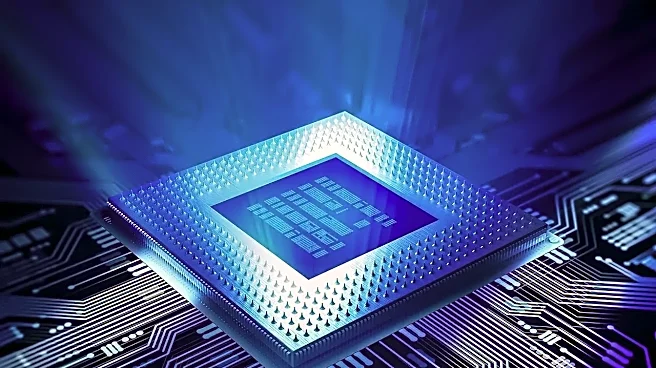
the current squeeze, you first have to understand High-Bandwidth Memory, or HBM. Think of it as a multi-lane superhighway for data built directly next to a computer's processor. While standard computer memory (DRAM) is like a city street, HBM is a stack of vertically connected memory chips designed for one purpose: moving massive amounts of data at incredible speeds. This is absolutely essential for artificial intelligence. Training and running large language models involves processing enormous datasets, and the speed at which a GPU can access its memory is a primary performance bottleneck. The latest AI accelerators, like Nvidia's H200 and B200 series, rely on newer, faster generations like HBM3e to function, packing in as much as 192GB of this premium memory to feed their powerful processing cores. Without HBM, these expensive processors would starve, waiting for data to arrive.
The Billion-Dollar Bottleneck
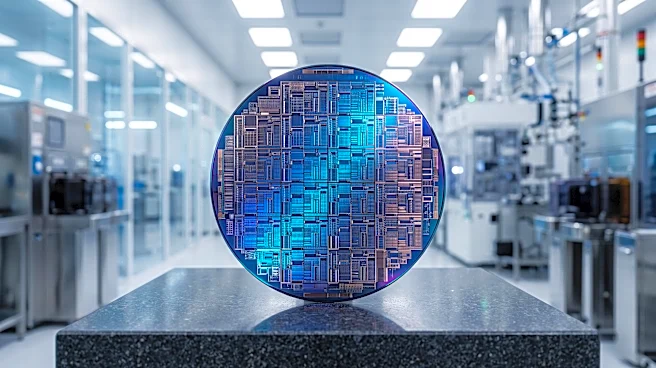
The core 'trend' affecting the market isn't a new technology, but a classic case of demand wildly outstripping supply. The explosive growth of generative AI has created a voracious, seemingly bottomless appetite for HBM-equipped GPUs. The problem is that only a few companies, primarily SK Hynix and Samsung, can produce HBM at scale. These manufacturers are finding it impossible to keep up. SK Hynix, a market leader, has reported that its HBM production is effectively sold out through 2029, with executives expecting the shortage to last until 2030. This isn't just a matter of building more factories; producing HBM is far more complex and resource-intensive than standard memory, consuming roughly three times the manufacturing capacity for the same amount of memory. This has created a structural crisis where demand is more than double the available supply, giving memory makers unprecedented pricing power.
Meta's Massive AI Investment at Risk
This is where Meta enters the picture. The company is in the midst of one of the largest infrastructure buildouts in corporate history, with projected capital expenditures soaring to as much as $145 billion in 2026, largely to acquire GPUs for its AI and metaverse ambitions. The company plans to have millions of GPUs running in its data centers, a strategy that depends entirely on a stable supply of accelerators from vendors like Nvidia. However, the HBM shortage directly threatens the economics of this plan. With HBM supply constrained, the cost of producing each AI GPU rises significantly. Nvidia has already notified major customers of price hikes exceeding 15% for its AI server systems, explicitly citing the soaring cost of HBM as the cause.
The Squeeze on GPU Economics
For Meta, these price increases mean its already staggering AI budget will stretch less far. Every percentage point increase on a $40 way GPU when multiplied by hundreds of thousands of units translates to billions in additional costs. This financial pressure could force difficult decisions slow the pace of the GPU rollout scale back on R&D for future AI models or accept lower profit margins. It also highlights a strategic vulnerability. Recognizing this dependency Meta is aggressively pursuing its own inhouse AI chip designs codenamed Iris as a way to supplement its Nvidia purchases and gain more control over its hardware destiny. But this is a long term play. In the short term Meta and other hyperscalers like Google and Microsoft are locked in a fierce competition to secure their share of a limited and increasingly expensive resource turning HBM from a simple component into a strategic chokepoint.