







The Original TV Disruptor
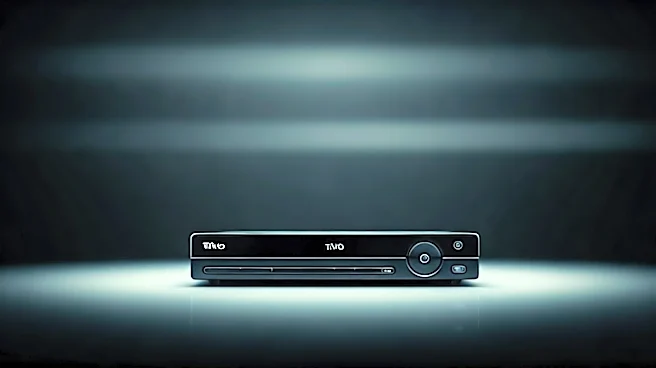
When TiVo debuted in 1999, it felt like magic. Launched at the peak of the dot-com bubble, it promised something unheard of: control over live television. You could pause a football game for a snack, rewind a missed line of dialogue, and, most importantly,
skip commercials. In an era of appointment viewing, this was a paradigm shift. The company wasn't just selling a product; it was selling freedom from the tyranny of network schedules. Early adopters were fanatical, evangelizing the service to friends and family. The friendly user interface, with its iconic thumbs-up/thumbs-down ratings and quirky “bloop” sound effects, made it feel less like a cold piece of hardware and more like a helpful household companion. TiVo was the vanguard, a hero fighting for the viewer.
Surviving the First Apocalypse
Then the first boom went bust. The dot-com crash of 2000-2001 wiped out countless tech startups that had more venture capital than a viable business plan. TiVo, however, endured its first trial by fire. Why? It had a real, tangible product that people loved and, crucially, a subscription model. That recurring revenue, however small at the time, provided a lifeline that vaporware companies lacked. It survived the early 2000s recession by having created genuine value. But as it weathered the economic storm, a new threat emerged on the horizon: the cable companies. They saw the appeal of the DVR and began offering their own, often cheaper, integrated boxes. TiVo was no longer the only game in town.
A Pivot Born from a Fight
The second tech boom, centered on Web 2.0 and user-generated content, should have been TiVo's moment to integrate and expand. Instead, it found itself in a street fight for its own invention. As cable and satellite providers rolled out their own DVRs, many were powered by technology that TiVo argued infringed on its patents. This sparked a strategic shift that would define its second act. Instead of trying to out-compete behemoths on hardware, TiVo went to court. It launched a series of high-stakes patent litigation lawsuits against companies like EchoStar (Dish Network) and AT&T. And it won. Big. The legal victories and subsequent settlements brought in hundreds of millions of dollars, creating a new, far more lucrative business model: intellectual property licensing. TiVo was becoming less of a product company and more of a patent powerhouse.
Recession-Proofing and the Rise of Streaming
When the Great Recession hit in 2008, TiVo was uniquely positioned. While consumer spending on electronics faltered, its revenue stream from patent lawsuits and licensing deals proved remarkably resilient. It had, in a way, recession-proofed itself. But this same period saw the third great tech boom: the mobile and streaming revolution. Netflix pivoted from DVDs-by-mail to on-demand streaming. The iPhone put a video player in every pocket. Suddenly, the very concept of recording broadcast television felt dated. Why record a show when you can just stream it from an app whenever you want? TiVo tried to adapt, integrating streaming apps into its interface, but it was fighting a losing battle against a fundamental shift in media consumption. Its core function was becoming obsolete.
The Ghost in the Machine
So how is TiVo still here? Because the company you remember no longer exists in the same form. In 2016, TiVo was acquired by Rovi Corporation, another giant in the world of entertainment metadata and patents. The combined entity kept the TiVo name because of its brand recognition. Then, in 2020, this new TiVo merged with Xperi Corporation, a company specializing in audio and semiconductor technology. Today, “TiVo” is a brand under the Xperi umbrella. It’s primarily a business-to-business enterprise, licensing its patent portfolio, user interface software, and search technology to the very cable companies and TV manufacturers it once competed against. The technology and ideas that powered your first DVR are likely still inside your new smart TV, but as a licensed component, a ghost in the machine.