








The Blueprint vs. The Building
Think of the TCP/IP model as an architect's blueprint for a skyscraper. It outlines the essential systems: electrical, plumbing, HVAC, and elevators. Each system has a distinct job, and they all have to work together. A production system, like a major
e-commerce site or a cloud platform, is the finished, bustling skyscraper. The blueprint is perfect and clean, but the real building is a whirlwind of activity. It has security guards (firewalls), express elevators for VIPs (Quality of Service), and a complex mailroom that sorts and redirects thousands of packages (load balancers). The fundamental design of the blueprint is still there, but it’s surrounded by a massive operational layer that manages the chaos of the real world. That's the difference between TCP/IP in a textbook and in production.
Layer 4: The Application Layer - Where it All Begins
Everything starts here, at the layer closest to you. When you click “Buy Now” or refresh your social media feed, your device is making a request using an application protocol like HTTPS. In a textbook, this is a simple request from your browser to a server. In a production system, that request doesn't just go to one server. It first hits a load balancer, a traffic cop that decides which of hundreds or even thousands of identical servers is best equipped to handle your request. This decision is based on server health, current traffic load, and even your geographic location. This layer is where user-facing services live, and in production, its main job is to gracefully handle millions of simultaneous requests without a single one getting lost in the crowd.
Layer 3: The Transport Layer - Reliable (or Fast) Delivery
Once your request is assigned a server, the Transport Layer takes over. Its job is to break your request into smaller pieces called packets. The most common protocol here is the Transmission Control Protocol (TCP), which is like a meticulous shipping service. It numbers each packet, sends them off, and waits for the receiver to confirm they all arrived safely and in the right order. If a packet gets lost, TCP resends it. This reliability is crucial for loading a webpage or sending an email. In production, networks are imperfect. Packets get dropped, and congestion happens. TCP's error-checking is what prevents your online purchase from getting garbled. The alternative, User Datagram Protocol (UDP), is the “fire and forget” option used for video streaming or online gaming, where speed is more important than perfect accuracy.
Layer 2: The Internet Layer - The Global Postal Service
This is where the "IP" in TCP/IP lives. The Internet Protocol's job is to act like a global postal service, stamping each packet with a destination IP address (the server) and a return IP address (your device). Routers across the internet then act like mail carriers, looking at the destination address and forwarding the packet to the next closest router on the path. In a production environment, this is far from a straight line. Traffic may be routed through specific pathways to avoid congestion, and it must pass through firewalls. These security checkpoints inspect packets, looking for anything suspicious based on their source, destination, or other characteristics before deciding whether to let them pass.
Layer 1: The Link Layer - The Physical Journey
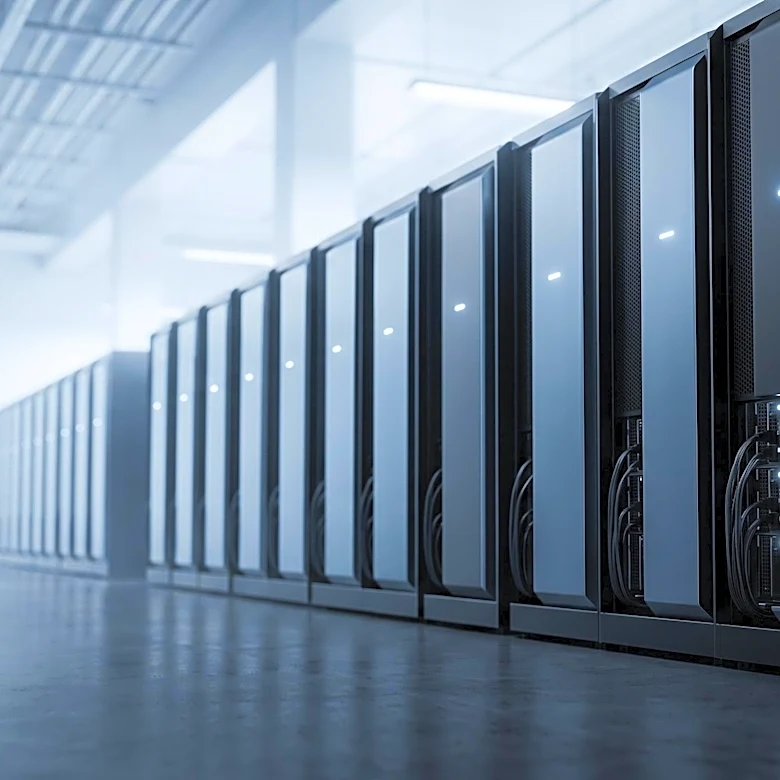
Finally, the Link Layer (or Network Access Layer) turns the digital packets into physical signals—electrical pulses in an Ethernet cable or light pulses in a fiber optic line—to travel across the final physical distance. Inside a production data center, this is a hyper-organized web of thousands of cables connecting server racks to network switches. Network reliability is paramount here; a single faulty cable or misconfigured switch can cause an outage. Once the signals reach the destination server's network card, the entire process happens in reverse. The server de-encapsulates the data, moving it back up the layers from physical signals to packets to a complete request that the application can finally process.
The Production Reality: More Than Just Layers
In a live system, these layers are not just stacked; they are constantly interacting with a suite of management and security tools. Network monitoring systems provide visibility into traffic flow, flagging bottlenecks or failures. Firewalls and Intrusion Prevention Systems (IPS) scrutinize traffic at multiple layers to block attacks. Load balancers distribute connections to prevent any single server from being overwhelmed. The clean, theoretical model becomes a dynamic, resilient, and constantly monitored ecosystem. It’s this complex orchestration that allows for the scalability and reliability modern internet services demand.