








The Ghost in the Wi-Fi
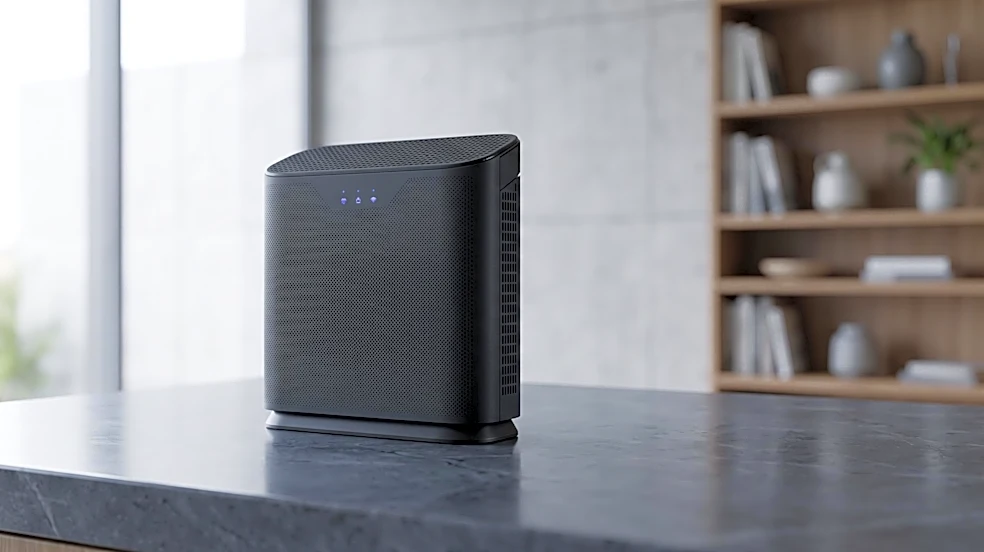
For years, owners of the popular wireless speakers have sometimes encountered a maddeningly specific set of problems: audio dropouts, speakers disappearing from the app, or the entire system grinding to a halt. The culprit often isn't a faulty speaker or a weak
Wi-Fi signal in the traditional sense. It's something much more esoteric, a phenomenon known in networking circles as a 'broadcast storm' or a 'network loop'. Think of your home network as a party in a small apartment. When one device speaks, every other device has to listen for a moment to see if the message is for them. Now imagine two partygoers start repeating everything they hear, creating an endless echo that quickly drowns out all other conversation. That's essentially what can happen on your Wi-Fi, and multi-speaker systems like Sonos, with their constant need to stay in sync, are uniquely sensitive to it.
Your Network's Civil War
A network loop occurs when there's more than one path for data to travel between two points. This can happen if, for example, a device is connected to your router via both a Wi-Fi signal and an Ethernet cable, or if multiple network switches are connected improperly. When a broadcast message—a type of message that has to be sent to every device—hits this loop, it can be forwarded endlessly, creating an exponentially growing storm of traffic that overwhelms your router and any connected devices. To prevent this, professional network hardware uses something called Spanning Tree Protocol (STP), an algorithm that intelligently detects and blocks redundant paths to prevent loops. The problem is, many consumer-grade routers and switches have poor or conflicting implementations of STP. Sonos devices, in their quest to create a robust connection, also use their own version of this protocol. When these different systems clash, they can accidentally create the very loops they were designed to prevent, bringing your network to its knees.
The Sonos Solution: A Private Highway
The classic fix for these issues has been to leverage SonosNet, the company's proprietary wireless mesh network. By wiring just one Sonos speaker or a dedicated 'Boost' module into your router, you activate a separate, private 2.4 GHz network just for your Sonos devices. This network operates independently from your regular home Wi-Fi. The speakers communicate with each other, passing the signal along in a chain, which can create a more robust and wider-reaching system than a standard Wi-Fi network where every device has to connect back to the central router. By moving all that complex, chatter-filled speaker traffic onto its own 'private highway', it completely bypasses the potential for conflicts on your main Wi-Fi. It's not just about getting a better signal; it's about isolating the traffic to prevent a network-wide meltdown.
From Your Living Room to the Data Center
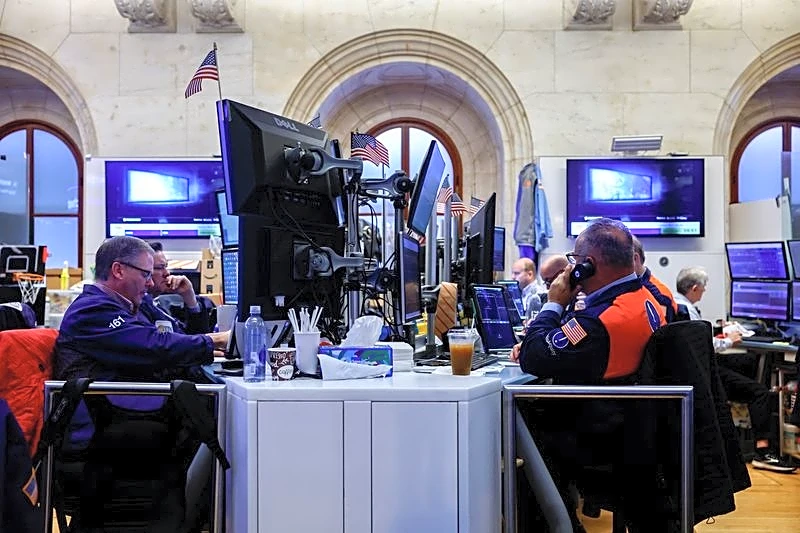
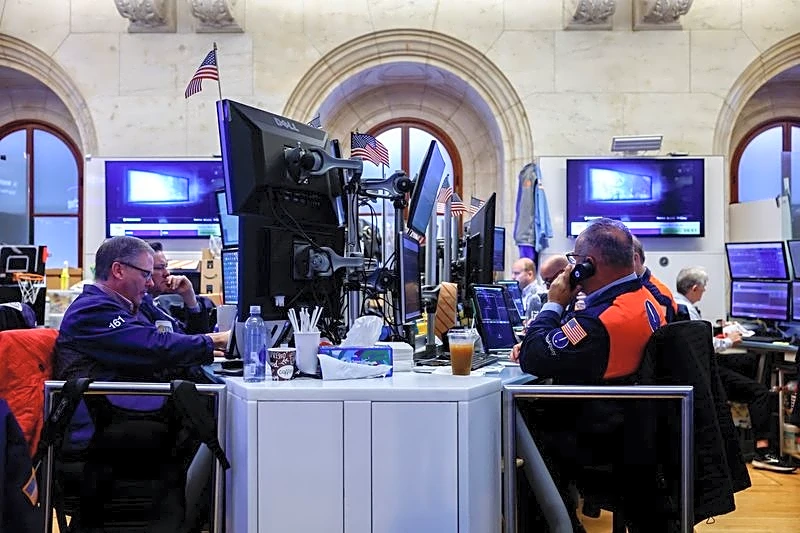
Here's the twist: this entire drama playing out in your living room is a microcosm of the challenges that define large-scale, enterprise networking. The data centers that power Google, the corporate networks that run Wall Street, and the backbone of the internet itself are all built on the same fundamental principles. They are just dealing with network loops and broadcast storms on an unimaginably massive scale. The sophisticated, multi-million-dollar switches used in these environments are primarily designed to do one thing above all else: manage traffic and prevent catastrophic loops using advanced versions of Spanning Tree Protocol and other technologies. The difference between a consumer mesh system and an enterprise-grade network isn't just speed; it's the intelligence and resilience built in to handle complexity and prevent these self-inflicted failures. Solving your Sonos problem by creating a dedicated network is a simplified version of how data centers use VLANs (Virtual Local Area Networks) to segment traffic and contain potential problems.