

The Sci-Fi Fantasy We Keep Chasing
For years, the smart glasses conversation has been dominated by a singular, cinematic vision. We imagine holographic displays, complex gesture controls, and a constant stream of information painting our reality. Companies have poured billions into this
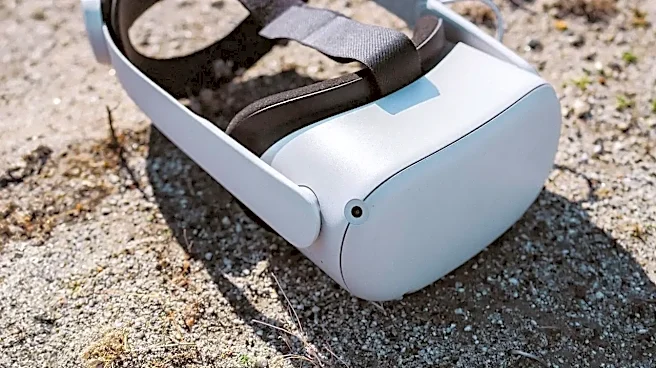
augmented reality (AR) dream, aiming to create a device that replaces your phone. Yet, true, all-day AR glasses with powerful displays remain largely conceptual, confined to developer kits or bulky prototypes. The market in 2026 is littered with products that hint at this future but fail to deliver a seamless experience. The hurdles are immense: crippling battery life, high costs, and a glaring lack of a “killer app” that justifies the expense and awkwardness. More importantly, these devices scream “technology,” creating an immediate social barrier. The ambition to create a world-changing device has ironically prevented the creation of a useful one.
The Unseen Power of 'Boring'
This is where the subversion comes in. While some companies chase the AR rainbow, a different strategy is quietly winning. The most successful products of 2026 are the ones that look the most “boring.” Take Amazon's Echo Frames or the popular Ray-Ban Meta glasses. Their primary feature is that they look like, well, glasses. Their functionality is deceptively simple: open-ear audio for music and calls, a hands-free voice assistant, and in Meta's case, a discreet camera for quick snaps. They don't try to alter your perception of reality; they aim to solve a few small, real-world problems. Want to take a call without pulling out your phone? Listen to a podcast while keeping your ears open to traffic? Capture a fleeting moment from your own point of view? These are minor conveniences, but they integrate into a person's life without friction. Their normality is their superpower.
Social Acceptance Is the Killer App
The single biggest obstacle to smart glasses adoption has never been technology; it's sociology. The memory of the “Glasshole”—a term coined for early Google Glass users who were perceived as invasive and creepy—looms large. People are fundamentally uncomfortable with the idea of being unknowingly recorded or interacting with someone who is distracted by a screen on their face. The latest data and social commentary show this hasn't changed. “Boring” glasses solve this problem by being invisible in plain sight. An LED indicator light for a camera is a weak defense against the social unease of a wearable camera. Amazon's Echo Frames sidestep this entirely by having no camera at all, focusing purely on audio and Alexa integration. Leaks suggest even Meta is developing camera-free models to address privacy concerns directly. The product that wins isn't the one with the most features, but the one that doesn't make other people uncomfortable.
A Trojan Horse for Mainstream Adoption
This “boring” approach isn't an admission of failure; it's a brilliant Trojan horse strategy. By embedding simple, useful tech into a form factor people have worn for a century, companies are normalizing the idea of connected eyewear. They are teaching a generation of users to rely on their glasses for more than just vision correction. First, it’s audio. Then, a voice assistant becomes second nature. Next, a simple camera for social media becomes normal. Once the public is comfortable with the form factor, more advanced features can be slowly introduced. A subtle notification light, then perhaps a simple text display, and eventually, years down the line, a true AR overlay. This evolutionary path builds trust and avoids the social rejection that has killed so many ambitious wearable tech projects. It’s not a sprint to build a sci-fi helmet; it’s a patient march toward making technology disappear into our daily lives.