





The Smartphone Has Matured. Get Used to It.
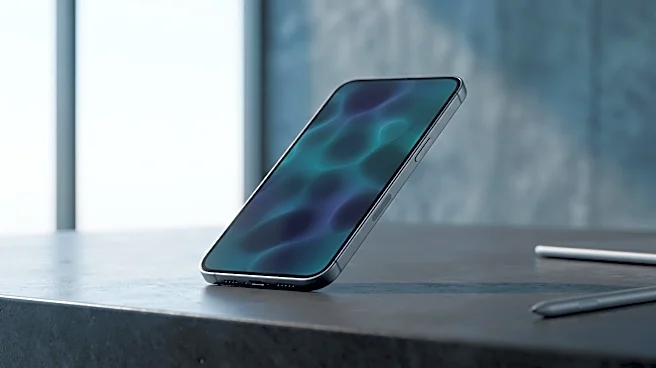
Let’s be honest: the era of revolutionary, year-over-year changes to the smartphone’s physical form is over. Much like laptops or cars, the smartphone has reached a mature state of design. The glass-and-metal slab is a perfected object, and radical departures
are now the exception, not the rule. Pundits who demand a complete overhaul every twelve months are ignoring this reality. According to reviews of the iPhone 18 Pro, the design is largely a refinement of last year's model, with the most notable external changes being a new 'Burgundy' color and a smaller Dynamic Island. This isn't a sign of stagnation; it’s a mark of confidence in a winning formula. Apple isn't trying to reinvent the wheel—it's focused on making the entire car run better.
The Real Innovation Is Inside
Focusing on the iPhone's shell is like judging a book by its cover, especially in 2026. The most meaningful upgrades are now happening at the silicon level. The new A20 Pro chip in the iPhone 18 Pro models delivers significant performance and efficiency gains over previous generations. These aren’t just numbers on a spec sheet; they enable new capabilities. For example, a new variable aperture on the main camera offers greater creative control in photography, a tangible benefit far more useful than a reshaped edge. Furthermore, Apple has addressed past criticisms with an improved thermal system, meaning the phone runs cooler under load. These internal engineering feats—better chips, smarter cameras, and improved thermals—are the engine of modern innovation. They extend battery life, enable more powerful software, and ultimately deliver a better user experience day-to-day.
It’s the Ecosystem, Not Just the Device
To judge the iPhone 18 in isolation is to fundamentally misunderstand Apple’s strategy. The iPhone is not a standalone product; it is the sun around which a solar system of other devices and services orbits. Its true power lies in its seamless integration with the Apple Watch, AirPods, Mac, and iCloud. Features like Handoff, which lets you start a task on your phone and finish it on your laptop, or the effortless connection of AirPods, are what create a 'sticky' and compelling user experience. A radical redesign could risk disrupting this finely tuned harmony. By maintaining a consistent design language, Apple ensures that the iPhone remains the reliable and familiar anchor of its ecosystem, a strategy that fosters loyalty far more effectively than a flashy, but potentially alienating, new look.
Redefining What an 'Upgrade' Means
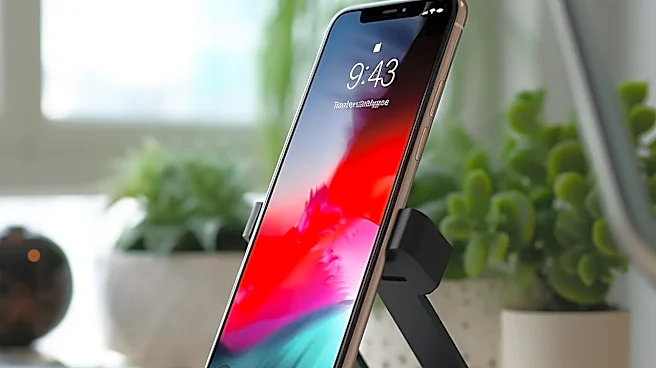
The conversation around annual upgrades needs to evolve. While a small percentage of users will always buy the latest model, most people now keep their phones for three, four, or even more years. For these users, upgrading from an iPhone 14 or 15 to an iPhone 18 represents a massive leap forward in camera quality, processing power, battery life, and display technology. The incremental nature of annual releases ensures that whenever a user decides to upgrade, they are met with a device that feels substantially more capable. The purpose of a new iPhone launch is no longer to convince everyone to upgrade immediately, but to offer a compelling new entry point for those whose current devices are aging. The consistent design simply makes that decision easier and more predictable.