








The 'Magic' on Your Screen
The first, most visible layer is what you might call the 'user magic.' This is the collection of delightful, intuitive features that will soon appear across iPhones, iPads, and Macs. Think of a dramatically smarter Siri that understands context, can take
action within apps, and holds natural conversations. Imagine 'Writing Tools' that can proofread an email, change its tone from formal to friendly, or summarize a long article for you with a tap. Then there’s the fun stuff, like 'Genmoji,' which lets you create custom emoji on the fly based on a text description, and an 'Image Playground' for generating playful pictures for your messages. This is the stuff that sells devices. It’s designed to feel effortless, seamlessly integrated into the apps you already use, and, in classic Apple fashion, 'just work' without you needing to understand the complexity behind it.
The 'Plumbing' Under the Hood
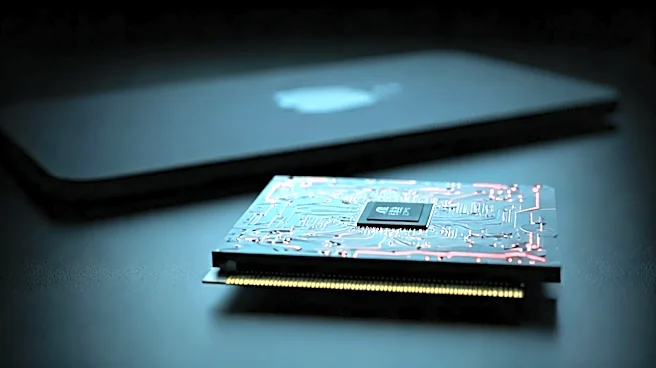
But that magic only works because of the second, far more complex layer: the 'developer plumbing.' This is the intricate architecture that makes Apple Intelligence tick. Unlike competitors who often rely solely on massive, cloud-based data centers, Apple is taking a hybrid approach. For most tasks, the AI processing happens directly on your device, using the power of the Apple Silicon chip. This is fast, efficient, and critically, private. However, for more demanding requests, Apple has created a new system called 'Private Cloud Compute.' Instead of sending your data to a generic cloud server, your device sends only the necessary information to highly secure servers running on Apple's own chips. Apple insists it has designed this system so that it cannot store or even see your data. This sophisticated plumbing is what allows Apple to deliver powerful AI features without, it claims, compromising the user privacy it has built its brand on.
Privacy as the Foundation
This focus on privacy isn't just marketing—it's the engineering bedrock of the whole system. The handoff between on-device and Private Cloud Compute is designed to be invisible to the user but is paramount to the strategy. Apple has stated that independent security experts can inspect the code running on its Private Cloud Compute servers to verify their privacy promises. This is a bold move intended to build trust. In a world where AI often means handing over your personal information to a third-party model, Apple is betting that users will prefer a system where their data—their photos, messages, and documents—is analyzed in a protected, personal context. The entire 'plumbing' system is constructed not just to enable features, but to enforce a strict privacy model that competitors may find difficult to replicate.
The Optional Bridge to ChatGPT
So where does OpenAI’s ChatGPT fit in? It's not the engine of Apple Intelligence, but rather an optional, clearly marked exit ramp. When Siri determines that a user's request could benefit from broader world knowledge or more advanced creative capabilities than Apple’s own models can provide, it will ask for permission to send the query to ChatGPT. This integration is framed as a tool for specific, high-level tasks—like asking for recipe ideas based on ingredients you have—rather than the default for every interaction. Your IP address is obscured, and OpenAI has pledged not to store the requests. This allows Apple to offer state-of-the-art chatbot functionality without having to build and maintain it all themselves, all while keeping it at arm's length from the core, private user experience.