





The artificial intelligence boom is running hotter than ever—literally. As AI models demand more powerful chips, the data centers housing them are facing a thermal crisis that traditional air conditioning can't solve. Enter liquid cooling.
The AI Power-Up and Its Heat Problem
For decades,
data centers have relied on a familiar strategy to keep servers from overheating: massive air conditioning systems. But the sheer power of modern AI has pushed this model to its breaking point. A single rack of servers for general business might consume 10 to 15 kilowatts (kW) of power. A rack running the latest AI accelerators, like Nvidia's GB200, can draw over 120 kW—and future generations are expected to consume even more. Traditional air cooling simply can't remove heat that fast or that efficiently at such densities. The physics are straightforward: water and other specialized fluids transfer heat far more effectively than air. As AI workloads become the most valuable and power-hungry operations in a data center, operators are realizing that relying on air cooling is like trying to cool a blast furnace with a desk fan. The conversation is no longer about if they should switch, but how.
The Two Paths: Direct-to-Chip vs. Immersion
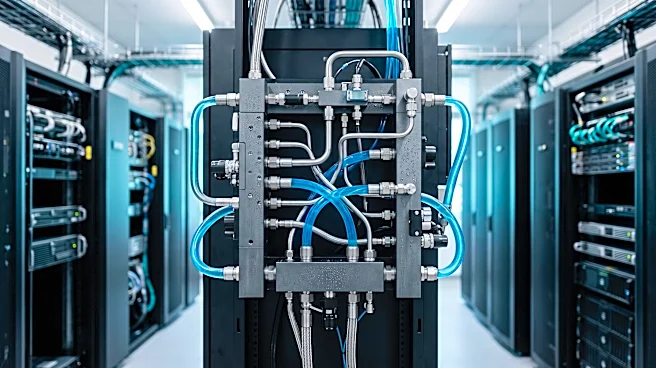
When people hear 'liquid cooling', they might picture complex, risky plumbing. In reality, the industry has largely settled on two mature approaches: direct-to-chip (DTC) and immersion cooling. Direct-to-chip is currently the dominant method for AI. It works by attaching small 'cold plates' directly to the hottest components, like the main processor or GPU. A coolant circulates through these plates, absorbing heat at the source and carrying it away. This approach is popular because it can be integrated into existing rack-based data centers with less disruption. Immersion cooling is more radical: it involves completely submerging entire servers in a non-conductive, dielectric fluid. This method offers incredible cooling efficiency and can support extreme power densities, but it requires a complete rethinking of data center design, maintenance workflows, and hardware. For most facilities building out AI capacity today, direct-to-chip offers the best balance of performance and practicality.
The Tipping Point for Adoption
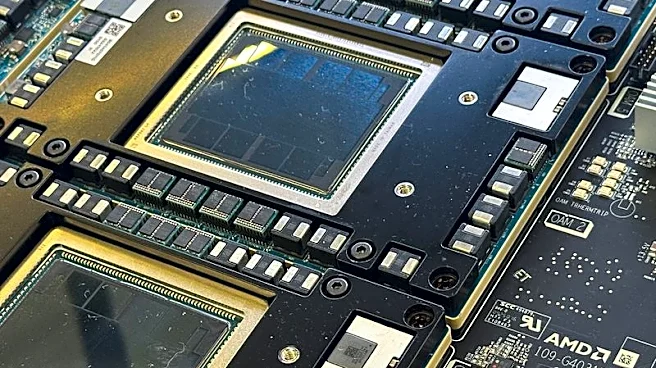
The shift to liquid cooling isn't just a trend; it's becoming a structural necessity, with projections showing that the majority of new AI servers will be liquid-cooled in 2026. The primary driver is the relentless increase in chip power. Each new generation of AI accelerators from companies like Nvidia, AMD, and Google packs in more transistors and consumes more power to deliver breakthrough performance, with some chips now exceeding 1,000 watts on their own. As a result, air cooling is no longer physically viable for racks operating above 50–60 kW. This has made liquid cooling a prerequisite for deploying the most advanced—and most profitable—AI hardware. The market is reflecting this reality, with the AI data center liquid cooling market valued at around $3.7 billion in 2026 and projected to grow significantly.
It’s Not Just About Cooling
The benefits of liquid cooling extend beyond just preventing meltdowns. Because it's so much more efficient, it dramatically lowers a data center's energy consumption, which is a massive operating expense. This helps facilities meet increasingly strict environmental regulations and sustainability goals, such as Germany's mandate for a Power Usage Effectiveness (PUE) of 1.2 or lower for new data centers. Some advanced closed–loop systems even promise to reduce a data center's water usage to near–zero, a major advantage in an era of growing water scarcity. However, the transition isn't without hurdles. The upfront cost of retrofitting an existing facility for liquid cooling can be substantial, requiring new plumbing, heat exchangers, and specialized staff training. There's also the psychological factor—getting teams comfortable with having liquids flowing just inches from multi–million dollar servers.