
First, Decide: What Kind of 'Smart' Do You Need?
The term "smart glasses" now covers a few distinct categories, and buying the wrong type is the fastest path to disappointment. In 2026, the market has split into three main lanes. First are AI Audio Glasses,
like Meta's Ray-Ban series and Amazon's Echo Frames. These pack microphones, speakers, and a camera for taking calls, listening to music, and using a voice assistant, but have no visual display. Second are AR Display Glasses, such as models from Viture and RayNeo. These can project a large virtual screen in front of your eyes, making them ideal for watching movies or as a portable monitor. Third are true Augmented Reality (AR) glasses with transparent displays, which overlay notifications, navigation, and other information directly onto the world. Before looking at any specific brand, decide on your primary use case: are you looking for a face-worn camera and speaker, a private movie theater, or a heads-up display for daily information?
The Camera, Privacy, and Social Acceptance
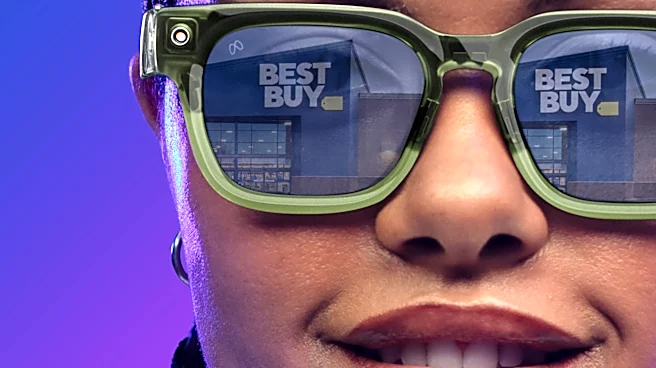
The most controversial feature of any smart glasses is the camera. Models like the Meta Ray-Bans are built around capturing photos and videos, but this immediately raises privacy red flags. Public and institutional concern over the potential for covert recording has grown, with some calling them "pervert glasses" and law enforcement agencies expressing worry about their use in secure facilities. Meta includes an LED light to indicate when the camera is recording, but critics argue it's not a sufficient safeguard for bystander consent. Before you buy camera-equipped glasses, consider the social implications. Will you be wearing them in professional settings, around friends, or in public spaces where a visible camera could create discomfort? For many professional environments, a camera-free model is the more practical and respectful choice.
Display Technology: Is It a Gimmick or a Game-Changer?
If you opt for glasses with a display, the technology used is paramount. There are two main approaches: prism displays and waveguides. Prism-based systems, often called "birdbaths," are common in virtual screen glasses like the Viture Beast and RayNeo Air models. They offer bright, crisp virtual screens perfect for media consumption but can be bulky and aren't transparent enough for all-day, active wear. Waveguide displays, found in more advanced AR glasses, are truly transparent, allowing you to see digital overlays while safely navigating the real world. These are better for getting notifications or turn-by-turn directions while walking. Check the brightness (measured in nits), resolution, and field-of-view. A dim, low-resolution display will be useless outdoors, and a narrow field-of-view feels like looking through a keyhole.
AI and Onboard Assistance
In 2026, AI is the central nervous system of most smart glasses. Meta's platform relies on Meta AI, while Amazon's Echo Frames use Alexa. Others, like Lucyd, offer budget-friendly access to ChatGPT. The key is to evaluate how this AI is delivered. In audio-only glasses, it functions like a voice assistant whispering in your ear. On glasses with displays, AI becomes more powerful, offering visual translations, identifying objects, and providing context-aware information. However, the real utility depends on the software ecosystem. A powerful AI is only as good as the apps and services it can connect to. Check for developer support and the range of available features before committing.
All-Day Comfort, Style, and Prescription Lenses
For a device you wear on your face, ergonomics and aesthetics are non-negotiable. Many early designs were heavy, bulky, and screamed "tech gadget," making them uncomfortable and socially awkward. The most successful models, like the Ray-Ban Meta collaboration, leverage existing, popular eyewear designs. Check the weight and balance of the frames. If they're too heavy on the nose or ears, you won't wear them for long. Furthermore, if you wear prescription glasses, your options become more limited. Many smart glasses now offer prescription lens compatibility, either through custom orders or snap-in inserts, but it's a critical factor to verify before purchase.
Battery Life: The Reality vs. The Spec Sheet
Manufacturers often advertise battery life based on standby mode, which is misleading. The real-world battery life—with the display on, Bluetooth connected, and AI active—is what matters. Most smart glasses will not last a full workday under heavy use. Models with advanced displays are particularly power-hungry. Look for reviews and user tests that provide realistic battery expectations for your intended use case. Also, consider the charging method. Most smart glasses come with a proprietary charging case or cable. The case not only protects the glasses but also provides multiple recharges on the go, making it an essential part of the overall battery ecosystem.