







You've set a PIN with your mobile carrier and use two-factor authentication. You should be safe from SIM swapping, right? Not quite. A fundamental vulnerability remains, and it has nothing to do with your password complexity.
What Exactly Is SIM Swapping?
First, a quick refresher.
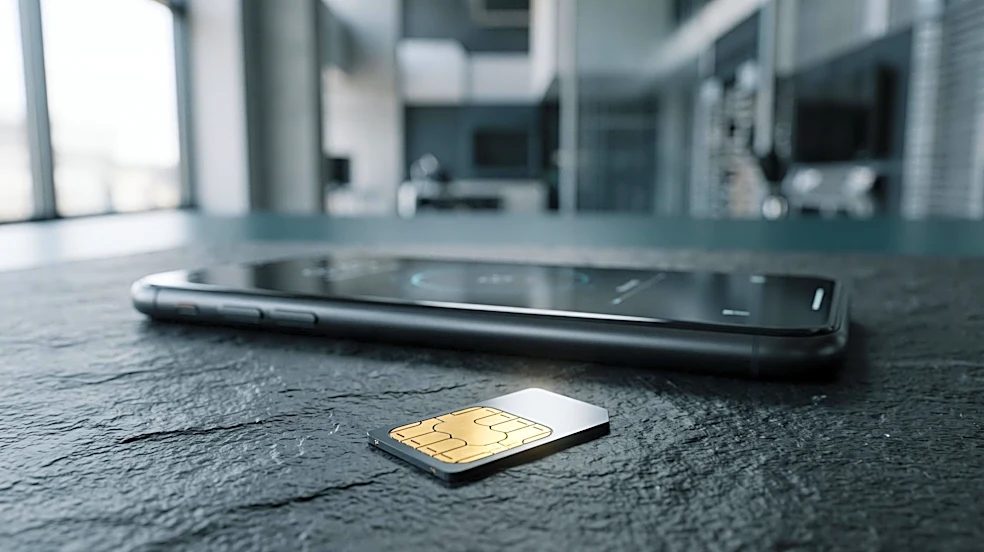
A SIM swap, or 'simjacking', is a type of identity theft where a scammer tricks your mobile provider into transferring your phone number to a new SIM card they control. Think of your phone number as the key to your digital life. It’s used to reset passwords and receive verification codes for your bank, email, and social media. When criminals get control of that key, they can intercept those codes and lock you out, gaining access to your most sensitive accounts. Your own phone will suddenly lose service, often the first and only warning that something is wrong.
The Defenses We're Told to Trust
For years, the standard advice has been to add layers of security to your mobile account. You can call your carrier and set a PIN or passcode that must be provided before any major changes, like a SIM transfer, are made. Some carriers offer 'port freezes' or 'number locks' that are supposed to prevent your number from being moved to another carrier without your explicit consent. Security experts also universally recommend moving away from SMS-based two-factor authentication (2FA) in favor of more secure authenticator apps or physical security keys. These are all worthwhile and necessary steps, but they build a fortress on a foundation that remains surprisingly shaky.
The Hidden Vulnerability: The Human Element
The true weak link isn't a complex software exploit; it's a person. SIM swapping often succeeds not by hacking code, but by manipulating people. This is known as social engineering. Attackers, armed with personal information gathered from data breaches or social media, will call a carrier's customer service line and simply impersonate you. They might claim your phone was lost or broken, using your data to answer security questions and convince a well-meaning employee to make the swap. Even more troubling is the direct route: bribery. Scammers actively recruit and bribe employees at major telecom companies, offering hundreds of dollars in cash or cryptocurrency for each number they illegally transfer. These 'plugs' or inside sources can often bypass security protocols like PINs and account notes directly through their employee portals, making customer-side defenses irrelevant. Criminals have been known to find these employees on social media or through leaked employee directories.
A Flawed System by Design
This leads to a difficult dilemma for mobile carriers. Their business depends on providing good customer service, which includes helping legitimate customers who have genuinely lost their phones and need to restore service quickly. If they make the security process too rigid or complex, they risk frustrating and locking out actual customers in need. This focus on reducing 'customer friction' inadvertently creates the loopholes that criminals exploit. While the FCC has started to implement rules requiring stronger authentication and employee training, the fundamental tension between convenience and security persists. Ultimately, as long as a human employee can be persuaded or paid to override a security measure, the system has a critical flaw.