




From Features to a True Platform
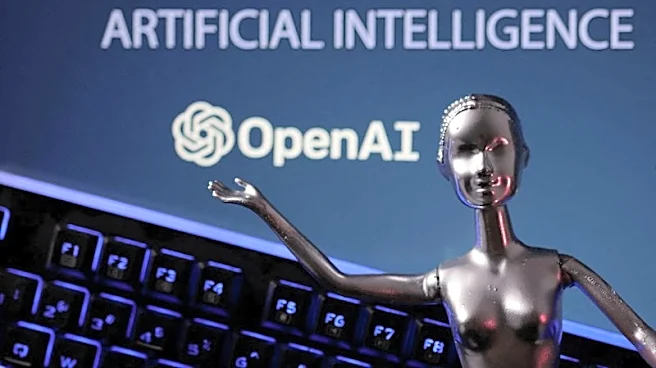
When Apple finally entered the generative AI race, its strategy was characteristically different from its competitors. Instead of launching a standalone chatbot, Apple focused on embedding 'Apple Intelligence' directly into the operating system. The goal
was never to build a better version of ChatGPT, but to make AI an invisible, integrated part of using an iPhone. This approach relies on a hybrid model: simple tasks are handled on the device itself for speed and privacy, while more complex requests are sent to 'Private Cloud Compute' servers powered by Apple's own silicon. But a true platform isn't just about first-party features; it's about enabling others to build on top of it. With developer tools like the Foundation Models framework and App Intents, Apple has started giving third-party apps a way to plug into its AI, allowing Siri to interact with them in more sophisticated ways. This transforms the iPhone from a device with AI features into a coherent AI platform.
The iPhone 18: Hardware Built for the AI Era
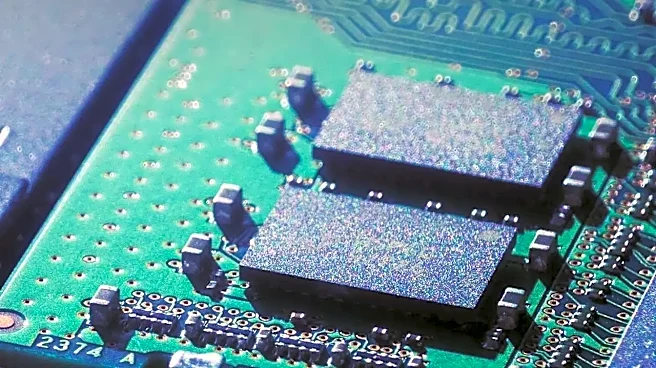
The iPhone 18 is where this platform strategy will meet its physical manifestation. Analyst predictions point to the Pro models featuring a new A20 Pro chip built on a more advanced 2-nanometer process. This isn't just about making the phone faster; it's about boosting on-device AI performance and power efficiency. More powerful local processing is the cornerstone of Apple's privacy-centric AI pitch, as it keeps personal data off the cloud whenever possible. Rumors also suggest increased RAM and improved cooling systems, both of which are critical for handling the intense computational demands of sophisticated AI models running directly on the handset. In essence, the hardware inside the iPhone 18 is expected to be purpose-built to deliver on the promise of a powerful, personal, and private AI experience that rivals, who are more reliant on the cloud, may struggle to match.
The Real Test: Will Developers and Users Buy In?
A platform is only as strong as its ecosystem. The iPhone 18 launch will be a crucial test of whether developers have embraced Apple's AI tools. A successful platform launch will see a wave of third-party apps showcasing deep integration with Apple Intelligence, using App Intents to allow Siri to perform complex, multi-app tasks. If developers can create genuinely useful AI-powered experiences that feel native to the iPhone, it will create a powerful competitive advantage. The second part of the test is user adoption. While features like AI-powered photo editing and message summarization are compelling, Apple's ultimate goal is more ambitious. It envisions an AI that acts as a personal agent, understanding context across different apps to help you manage your digital life seamlessly. The iPhone 18 will be the first device where the hardware and mature software are both in place to potentially deliver this. Its reception will reveal whether users are ready to trust their devices with this level of intelligence.
A High-Stakes Race Against Google and Microsoft
Apple isn't operating in a vacuum. Google has aggressively integrated its Gemini AI into the Android operating system and its suite of popular services. Microsoft, meanwhile, is pushing its Copilot AI across Windows and its enterprise software. Both rivals have a head start in many areas of the AI race. Apple's partnership with Google to use Gemini for some server-side tasks shows it's willing to be pragmatic to stay competitive. However, Apple's core strategy remains distinct: deep integration with its own hardware, an unwavering focus on privacy, and a seamless user experience. The iPhone 18 event is Apple’s opportunity to demonstrate that its patient, deliberate approach can create a more compelling and trustworthy AI platform than the competition's more scattered, cloud-first efforts. It’s a referendum on whether the 'Apple way' of doing things can win the next defining chapter of personal technology.