







The End of an Era
For years, Lew Cirne was New Relic. He founded the company in 2008, and its name is an anagram of his. A coder at heart, Cirne was famous for building new products while on vacation and was deeply intertwined with the company's identity. By 2020, however,
the company he built was facing a different landscape. The market was shifting, growth had slowed over ten consecutive quarters, and the company was struggling to adapt. Tensions also rose internally over the company's public stance on social issues. In May 2021, Cirne announced he would step down as CEO, transitioning to the role of executive chairman to focus on his passion for innovation. The move marked the end of an era and the beginning of a profound identity crisis.
A Painful and Public Pivot
The man tasked with steering the ship was Bill Staples, a veteran of Microsoft and Adobe who had joined as Chief Product Officer in 2020. Staples was promoted to CEO in July 2021 and immediately faced a monumental task. The company was in the middle of a rocky and painful transition away from a predictable subscription-based model to a usage-based, pay-as-you-go pricing structure. The goal was to simplify a complex product lineup and align costs with customer value, but the shift created short-term pain. Revenue growth was sluggish, and the company initiated multiple rounds of layoffs between 2021 and 2023 to restructure and find a path to profitability. Wall Street was wary, and the company's stock was far from its 2018 and 2019 peaks. For a time, New Relic looked like a company adrift, struggling to find its footing after its founder stepped away from the helm.
Finding Stability Off-Broadway
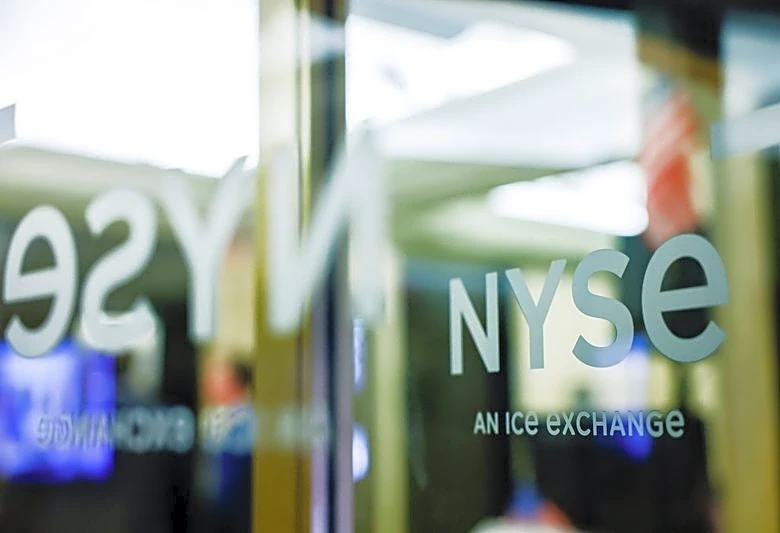
The key to New Relic's survival wasn't just a new pricing model, but a complete escape from the quarterly pressures of the public market. The constant scrutiny of Wall Street made the long-term strategic overhaul incredibly difficult. The solution came in the form of a $6.5 billion all-cash deal to take the company private. In November 2023, private equity firms Francisco Partners and TPG acquired New Relic, ending its nine-year run as a public company. Staples noted that going private would provide the "resources and flexibility to complete the final chapter of this transition." For a company that had been posting significant operating losses while trying to transform its entire business model, the buyout was a lifeline. It provided the stability and capital needed to finish the work Staples had started, without having to answer to anxious public shareholders every 90 days.
The Lessons of Survival
With the acquisition complete, a new CEO, Ashan Willy, was appointed in December 2023 to lead the now-private company. New Relic's story offers a compelling playbook for corporate resilience. The crisis began with the classic founder’s dilemma—how to evolve beyond the person who created the company. It deepened with a painful but necessary business model transformation that prioritized long-term customer alignment over short-term revenue predictability. The critical final step was recognizing that the company needed a different environment to complete its journey. Going private wasn't an admission of failure but a strategic move to secure its future. The company survived not just because it changed its pricing, but because its leadership was willing to make a series of difficult, unpopular, and ultimately transformative decisions to ensure the company could thrive in a new era.