







The Illusion of 'Space-Based' Internet
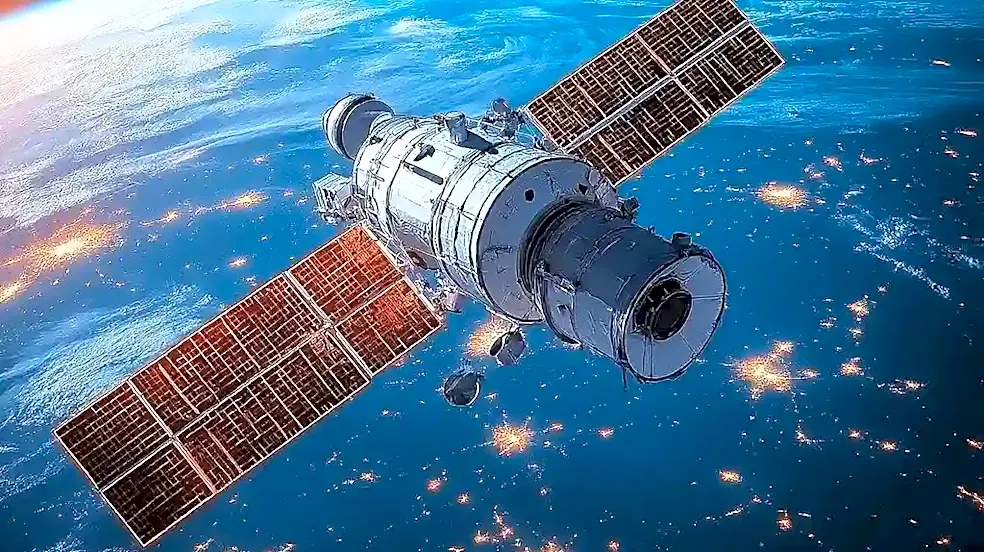
When you think of Starlink or other low-Earth orbit (LEO) internet services, the image that comes to mind is simple: your dish sends a signal to a satellite, and the satellite beams the internet back down. It feels like a direct, two-way conversation
with a machine in space. For a hobbyist or self-taught engineer, the exciting challenges appear to be in the radio frequencies, the phased-array antenna, and the orbital mechanics. While those are all crucial, this view misses the most important leg of the journey. The truth is, the satellite overhead is rarely the source of your internet connection; it’s a high-speed courier. Its main job is to take your request and pass it on to a far more mundane, but absolutely essential, piece of infrastructure.
The Hidden Detail: A Massive Ground Network
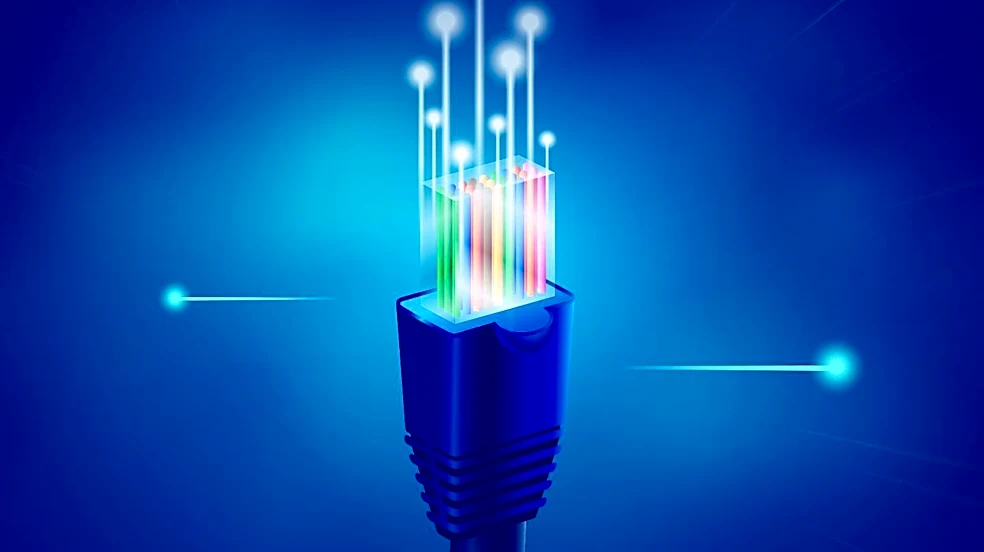
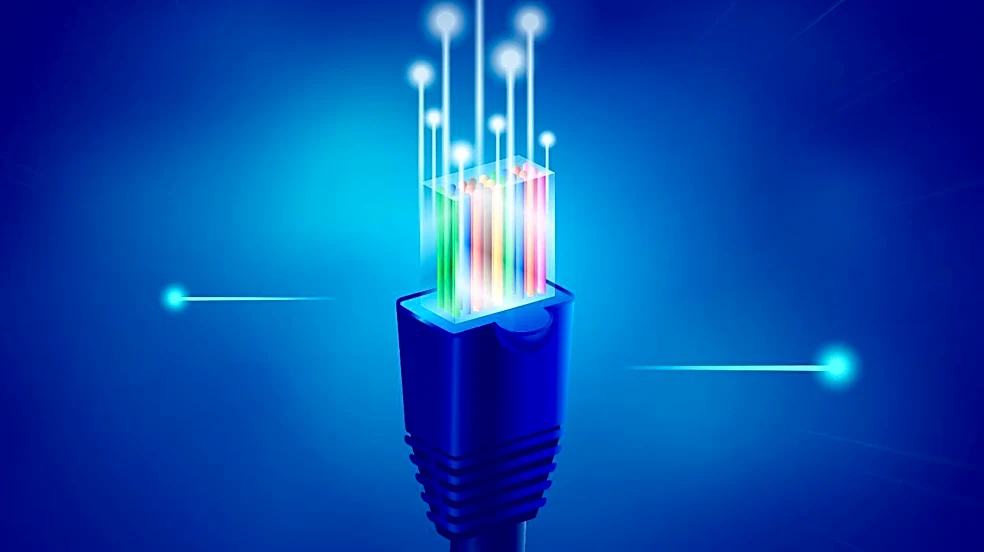
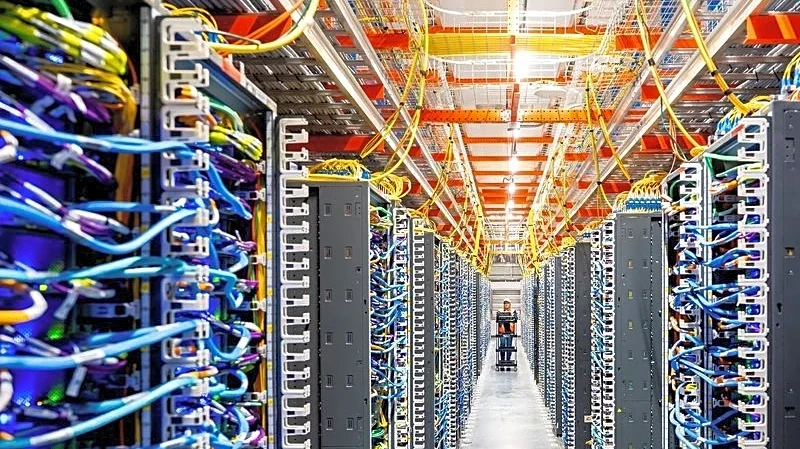
The secret that gets lost in the glamour of space-tech is this: modern satellite internet is profoundly dependent on a vast, expensive, and complex network of ground stations. These are not small installations. They are data centers, often in rural or semi-rural areas, filled with large antennas that look like giant golf balls. Each ground station, or 'gateway,' is a bridge that connects the satellite constellation to the terrestrial internet backbone via high-speed fiber optic cables. When you click a link, your data zips up to the nearest satellite, which then immediately beams that request down to a ground station within its line of sight. That station then routes your request onto the familiar, earthly internet of fiber and data centers. Without this constant hand-off from space to ground, the 'space internet' would be a closed network, unable to access the websites, servers, and services that make up the world wide web.
Why This Grounding Is So Important
Understanding this dependency changes how you look at the entire system. For one, it dictates coverage. To get service, a user generally needs to be within the footprint of a satellite that can also see a ground station. This is why building out the service isn’t just about launching more satellites; it’s a relentless real estate and regulatory challenge to secure land and permits for gateways across the globe. Secondly, it impacts latency. The total 'ping' time isn't just the trip to space and back; it's the full round trip from your dish, to the satellite, down to the ground station, through the terrestrial internet to the server, and all the way back again. While LEO satellites drastically reduce latency compared to their geostationary predecessors, the proximity to a ground station is a major variable in the final performance you experience.
The Promise of Inter-Satellite Lasers
The next evolution, which Starlink is actively deploying, is the use of inter-satellite laser links. These lasers allow satellites to create a mesh network in space, passing data from one satellite to another at the speed of light without immediately needing to come back down to Earth. This is a game-changer for serving truly remote areas like the middle of the ocean or the poles, where building a ground station is impossible. However, even with a fully active space laser mesh, the system is not independent of the ground. The data still has to eventually exit the satellite network through a gateway to reach its final destination on the terrestrial internet. These laser links make the system more flexible and reduce its reliance on a nearby ground station, but they don't eliminate the fundamental need for them. The internet, for the foreseeable future, lives on Earth.