








The Shovels vs. The Gold
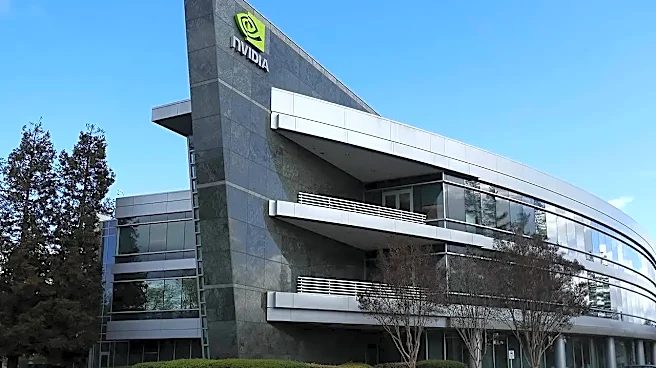
Understanding the AI economy requires looking at two distinct layers of the technology stack. NVIDIA operates at the foundational hardware layer. It designs and sells the powerful graphics processing units (GPUs) that are the physical engines of AI. Think
of them as selling the picks and shovels in a gold rush; nearly every company building or using AI, including Google, is a customer. Google (and its parent, Alphabet) operates primarily at the software and services layer. It uses those powerful chips—both from NVIDIA and its own custom designs—to build and run massive AI models like Gemini. It then sells access to these models through Google Cloud and integrates them into its vast suite of products, from Search to Workspace. They are mining, refining, and selling the gold itself.
NVIDIA's Explosive Growth Continues
NVIDIA's recent earnings reports have been nothing short of staggering, consistently reflecting the insatiable demand for AI computing power. The company's Data Center division, which houses its AI-focused chips, is the star of the show, repeatedly posting massive year-over-year growth. Its revenue isn't just tied to one company's success but to the entire industry's investment in an AI-powered future. As long as companies like Microsoft, Amazon, Meta, and Google are in an arms race to build the most powerful AI, NVIDIA's sales of its Blackwell series and other advanced GPUs are expected to remain incredibly strong. This makes NVIDIA a direct barometer for AI investment across the entire market.
Google's AI-Fueled Service Engine
Alphabet's financial picture is more complex but shows the clear benefits of integrating AI at scale. While it doesn't have a single division that explodes in the same way as NVIDIA's Data Center segment, AI's impact is visible everywhere. The standout performer has been Google Cloud, which has seen its growth accelerate significantly as it offers customers access to AI models and infrastructure. But Google is also spending heavily, with capital expenditures soaring into the hundreds of billions to build out the necessary infrastructure to support its ambitions. Unlike NVIDIA, which sells the components and moves on, Google bears the enormous ongoing cost of running these energy-intensive models, a cost it hopes to offset by creating indispensable services and by developing more efficient custom chips of its own.
Two Sides of the Same AI Coin
Comparing their earnings isn't about picking a winner; it's about understanding a new economic ecosystem. NVIDIA's success is concentrated, direct, and highly profitable, driven by its near-monopoly on high-end AI hardware. Google's success is more distributed, representing the broad-based application of that hardware to create services that millions of businesses and billions of users rely on. The relationship is deeply symbiotic: Google is one of NVIDIA's biggest customers, even as it develops its own custom chips (TPUs) to reduce costs and reliance on a single supplier. NVIDIA needs large-scale buyers like Google to fund its research and development, and Google needs NVIDIA's best-in-class chips to stay at the forefront of AI capabilities.