


The AI You Can't Ignore
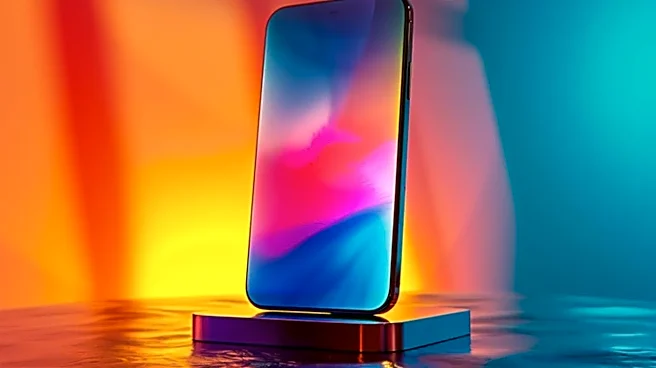
The standout feature of the new iPhone 18 Pro isn't a foldable screen or a wild new design—it's the deep integration of 'Apple Intelligence'. Powered by the new 2-nanometer A20 Pro chip, this isn't a chatbot app you open; it's an invisible layer woven
into the operating system. Think of a revamped Siri that can actually understand context from your screen, summarize long email threads, and manage tasks across different apps without you lifting a finger. One of the most talked-about features is its ability to use on-device data to perform personal admin tasks, making the phone feel significantly more capable. This on-device processing is key; it’s faster, more private, and what makes the whole system feel seamless rather than clunky. Apple's goal is to make AI useful and invisible, a utility that works in the background of your life.
Building Higher Walls Around the Garden
Here's the first half of the paradox: this powerful new AI is designed to work best inside Apple's walled garden. The new Siri's ability to pull information seamlessly from your photos, iMessages, and calendar is a powerful demonstration of ecosystem lock-in. These intelligent features are not just tied to the iPhone 18 Pro's new chip; they're tied to using Apple's entire suite of apps and services. While Apple allows some developer access, the core experience is designed to be a frictionless world for those fully committed to its hardware. This strategy raises the stakes for anyone considering a switch to a competing device. Leaving the Apple ecosystem no longer means just losing your blue bubbles; it means abandoning a personalized AI assistant that has become deeply integrated into your daily workflow. Analysts note this AI-centric approach is explicitly designed to deepen user engagement and strengthen the ecosystem.
The Gentle Nudge Becomes a Shove
The other side of the paradox is how this software innovation creates hardware demand. For years, the average time between phone upgrades has been lengthening, with many users holding onto devices for three-and-a-half years or more as performance gains became less noticeable. On-device AI changes that calculus. The sophisticated models required for instant, context-aware AI need the specialized Neural Processing Units (NPUs) found in the latest chips, like the A20 Pro. While older phones will get the new iOS 27 software, they won't be able to handle the most impressive AI features. Suddenly, the reason to upgrade isn't just a better camera or a brighter screen—it's to access a fundamentally smarter, more capable operating system. Apple has created a compelling software reason that requires a hardware solution, effectively reigniting the pressure on the upgrade cycle. It's a subtle but powerful shift from wanting a new phone to needing one to keep up.
The Consumer's Dilemma
This puts the consumer in a fascinating bind. The very AI features that make the Apple ecosystem more valuable and harder to leave are also the features driving the cost of admission higher. The iPhone 18 Pro and Pro Max launched with a $100 price increase over the previous generation, a move analysts see as supported by the new AI capabilities and robust carrier trade-in offers. Even with some analysts calling initial pre-order demand "lukewarm"—partly due to the higher prices and competition from Apple's own upcoming foldable phone—the long-term strategy is clear. Apple is betting that once users experience truly integrated, personal AI, it will feel less like a luxury and more like a necessity. The paradox is that the software is free, but the hardware required to run it optimally is not. For millions of users, the decision is no longer just about whether to upgrade, but whether they can afford to be left out of Apple's ever-smarter ecosystem.