





It Started with a Lost Sale
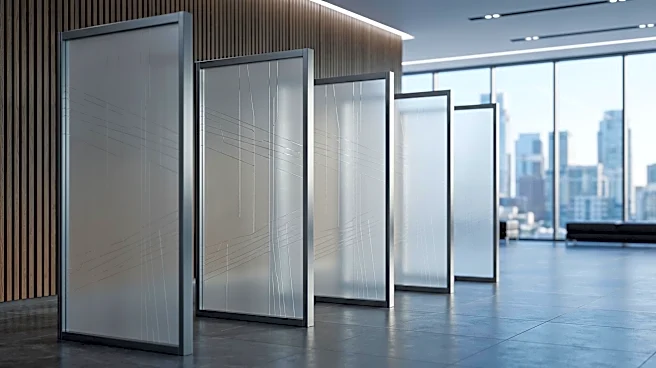
The origin story of Square, founded in 2009, is the stuff of Silicon Valley legend. Co-founder Jim McKelvey, an artist, lost a $2,000 sale for his glass faucets because he couldn't accept a credit card. He brought the problem to his friend, Twitter co-founder
Jack Dorsey. At the time, accepting credit cards was a nightmare for small merchants, involving complex contracts, expensive hardware, and confusing fees. Their solution was genius in its simplicity: a tiny, square-shaped reader that plugged into an iPhone's headphone jack, combined with a transparent, pay-as-you-go fee structure. Suddenly, anyone from a plumber to a craft fair vendor could accept plastic, opening up a massive, underserved market. Square wasn’t just selling a device; it was selling access to the economy.
From a Dongle to a Dashboard
The card reader was the hook, but the real strategy began to unfold as Square layered on more services for its sellers. It wasn't just about taking payments anymore. The company rolled out a full point-of-sale (POS) system called Square Register, followed by tools for invoicing, inventory management, payroll, and even small business loans. This transformed Square from a simple product into a comprehensive operating system for a small business. Once a merchant was running their payroll, tracking their inventory, and analyzing sales data all within Square's ecosystem, the idea of switching to a competitor became incredibly difficult and costly. Square had successfully built the first half of its fortress: a deeply entrenched network of sellers.
The Masterstroke: Winning the Consumer
While the seller ecosystem was thriving, the other side of the counter remained untapped. That changed with the 2013 launch of Square Cash, later renamed Cash App. Initially a simple peer-to-peer payment service to compete with Venmo, it seemed like a side project. However, it quickly became the company's secret weapon. Cash App evolved into a full-fledged financial hub for individuals, offering a debit card (Cash Card), direct deposit, stock investing, and Bitcoin trading. It targeted a younger demographic and those underserved by traditional banks, growing at an explosive rate. By 2023, Cash App was responsible for over 60% of Block's total revenue. This wasn't just another app; it was the second, consumer-facing pillar of the empire.
Connecting the Two Halves of the Kingdom
Herein lies the core of Block's 'untouchable' status: the two-sided ecosystem where the seller side (Square) and the consumer side (Cash App) began to feed each other. A customer with Cash App can seamlessly pay a Square merchant. A merchant using Square gets access to a network of millions of Cash App users. The 2021 acquisition of Afterpay, a 'Buy Now, Pay Later' giant, for a staggering $29 billion was the ultimate move to weave these two sides together. It gave Square's merchants a powerful tool to increase sales while integrating Afterpay's massive user base directly into the Cash App ecosystem, creating a powerful, self-reinforcing loop.
Why 'Block' is More Than a New Name
In late 2021, Square, Inc. rebranded its corporate entity to Block. This wasn't just a cosmetic change. It was a declaration that the company had outgrown its original name. The Square brand was for sellers, but the parent company now managed a collection of interlocking businesses or 'building blocks': Square for sellers, Cash App for consumers, the music service Tidal, and a Bitcoin-focused division called TBD. The name signifies a future that isn't just about payments, but about a broader set of tools for economic empowerment, all built on a shared, powerful technological infrastructure. The simple white reader is still there, but it's now just one piece of a much larger, and far more formidable, financial fortress.