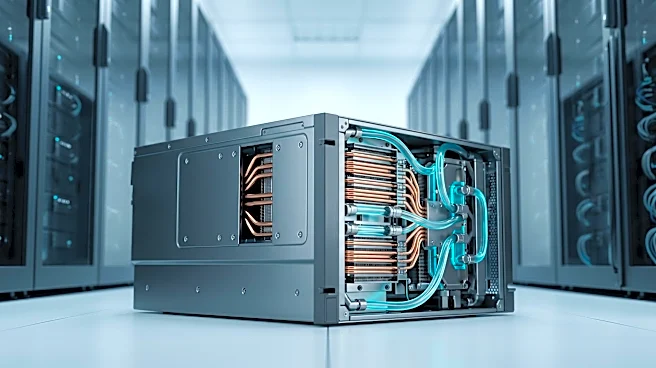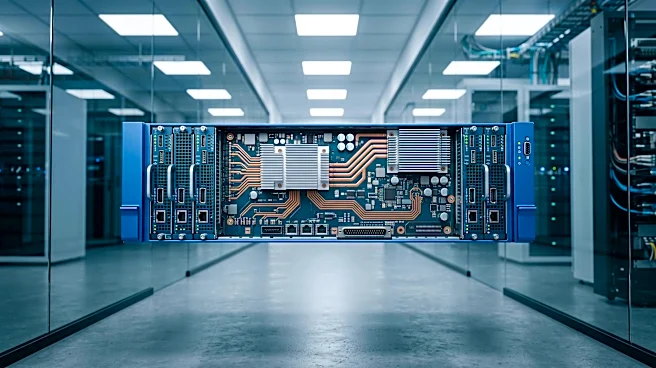

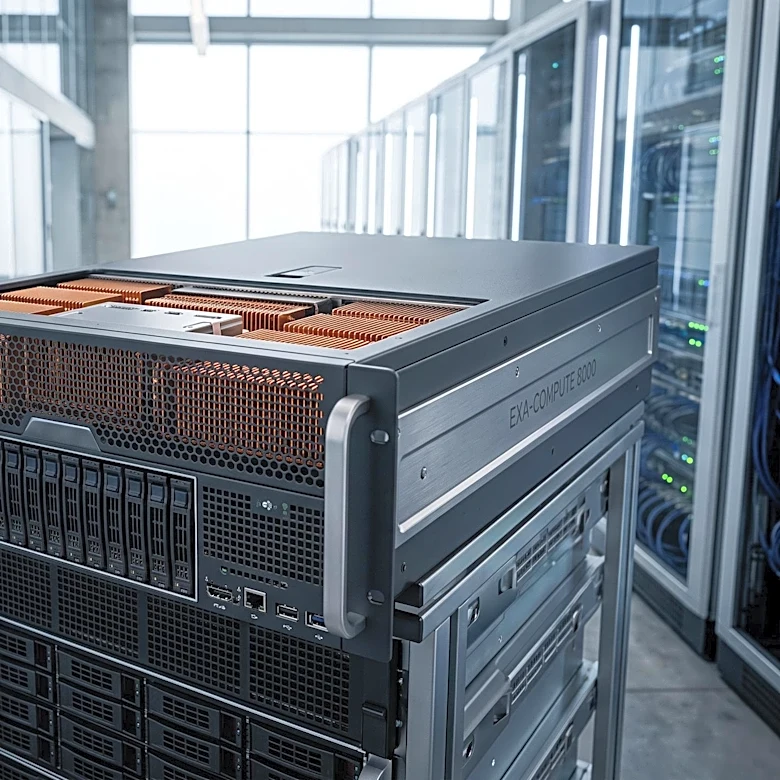
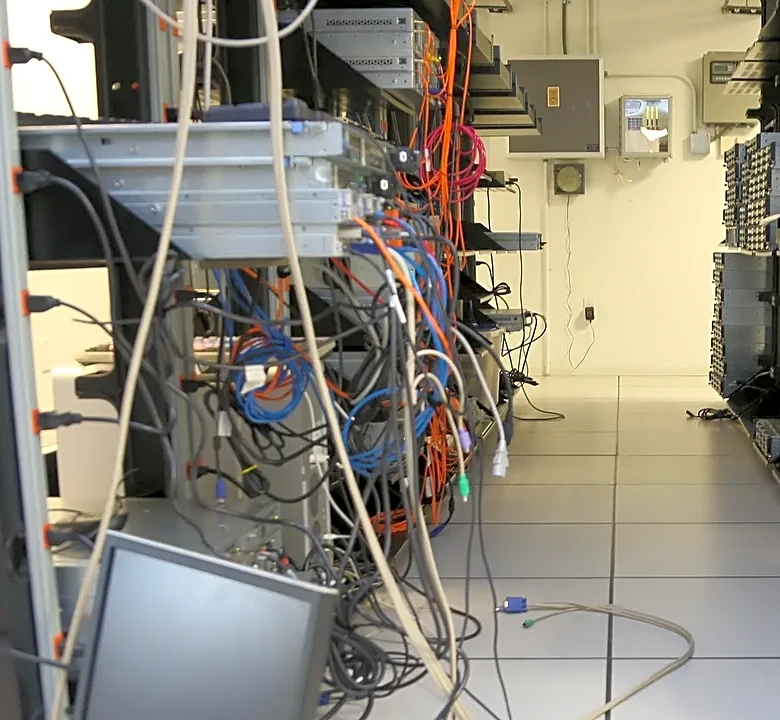



While the world focuses on the raw power of AI chips, a silent struggle is happening in the wires. The real limit to AI's growth isn't just the brain, but the nervous system connecting it.
The Chip is Only Half the Story
When we talk about the AI revolution, the conversation almost always
centers on the massive, expensive GPUs being manufactured by companies like Nvidia. We focus on the 'brains'—the processing power that allows a machine to reason, create, and predict. However, an AI data center is only as fast as the wires between its chips. As companies like Amazon Web Services (AWS) attempt to scale their AI ambitions to unprecedented levels, they are running into a physical reality: the massive amount of data moving between these chips requires a sophisticated, multi-layered nervous system of networking hardware.
The Three Layers of AI Fabric
To understand the bottleneck, you have to understand that an AI cluster does not run on a single network. Instead, it relies on three distinct types of 'fabrics' that serve different purposes. First is the scale-up network, which lives inside the rack. This layer makes dozens of individual GPUs behave like one single, massive machine. Second is the scale-out network, which connects these individual racks together into a massive cluster. Finally, there is the scale-across network, which links different clusters across different buildings or even different sites when a single location runs out of power or space. Each of these layers has its own unique set of physics, costs, and winners.
Why Copper Rules the Rack
Inside the rack, where the scale-up network operates, copper is currently king. It might seem counterintuitive in an era of high-tech light and lasers, but copper is cheap, reliable, and—most importantly—it doesn't require its own power source or complex signal processors for short distances. For the one or two meters between chips in a rack, copper is the most efficient way to move massive amounts of data. However, there is a catch: as chips get faster, the distance that copper can reliably cover shrinks. This creates a constant tension between the need for more bandwidth and the physical limitations of metal wires.
The Massive Economic Shift
This technical challenge has triggered a massive economic shift. In the third quarter of 2026, the business of the 'wires'—the cables, connectors, switches, and optical transceivers—became a staggering industry, generating more than $30 billion in a single quarter. A handful of suppliers are capturing the lion's share of this wealth. While Nvidia dominates the chip market, the money is flowing rapidly into the hands of companies that provide the connectivity. The bottleneck is no longer just about who has the smartest chip, but who can build the most efficient highway to move the data that those chips generate.
The Light vs. Copper Race
As AI clusters grow larger, the scale-out and scale-across networks must rely on light. Once you move beyond the immediate vicinity of the rack, copper fails, and optical transceivers—which convert electrical signals into light—become mandatory. The industry is now racing toward technologies like co-packaged optics, which aim to bring light closer to the chip itself to reduce power consumption and latency. The winner of the AI race will likely be determined by whoever can most effectively bridge the gap between the high-speed copper world inside the rack and the high-speed optical world that connects the world.